

What Is East Timor Independence Day, and Why Is It Celebrated on May 20?
East Timor Independence Day, celebrated annually on May 20, marks one of the most important milestones in the history of the Democratic Republic of Timor-Leste. The holiday commemorates the restoration of independence in 2002 after decades of foreign occupation, conflict, and struggle for sovereignty. For the people of East Timor, this day symbolizes freedom, resilience, national identity, and hope for the future.
The celebration honors the sacrifices made by thousands of citizens who fought for independence and recognizes the nation’s journey toward democracy and peace. Across the country, citizens participate in ceremonies, cultural events, flag-raising programs, and community gatherings that showcase national pride and unity.
May 20 is not only a public holiday but also a deeply emotional and historical occasion that reflects the courage and determination of the Timorese people.
How Did East Timor Gain Independence?
The history of East Timor’s independence is complex and shaped by colonial rule, political conflict, and international diplomacy.
For centuries, East Timor was a Portuguese colony known as Portuguese Timor. In 1975, following political changes in Portugal, East Timor declared independence for the first time on November 28, 1975. However, only days later, Indonesia invaded and occupied the territory.
During the Indonesian occupation, East Timor experienced years of violence, armed resistance, and humanitarian suffering. Thousands of people lost their lives during the conflict, and many communities were displaced.
The independence movement continued through diplomatic efforts, peaceful activism, and resistance movements led by Timorese leaders. International attention increased in the late 1990s, especially after reports of violence and human rights abuses emerged.
In 1999, the United Nations supervised a referendum in which the people of East Timor voted overwhelmingly for independence from Indonesia. Following a transitional administration led by the United Nations, East Timor officially became an independent nation on May 20, 2002.
This date is now celebrated every year as Independence Day.
Why Is Independence Day Important in East Timor?
Independence Day represents far more than political freedom. It symbolizes the survival of a nation and the determination of its people to protect their identity, language, culture, and traditions.
For many citizens, the holiday is a reminder of:
- The sacrifices made during the resistance movement
- The importance of peace and democracy
- National unity and reconciliation
- The value of sovereignty and self-determination
The day also serves as an opportunity to educate younger generations about the country’s history and the importance of preserving independence for future generations.
How Do People Celebrate East Timor Independence Day?
Independence Day celebrations in East Timor are patriotic, cultural, and community-oriented. Festivities take place across the country, especially in the capital city, Dili.
What Happens During Official Government Ceremonies?
The government organizes formal ceremonies attended by national leaders, foreign diplomats, military representatives, and citizens.
Activities often include:
- Raising the national flag
- Singing the national anthem
- Presidential speeches
- Military parades
- Honor ceremonies for independence fighters
- Public gatherings and cultural showcases
The President and Prime Minister usually deliver speeches reflecting on national progress, economic development, and future aspirations.
How Are Cultural Traditions Displayed During the Holiday?
Traditional music and dance performances are an important part of Independence Day celebrations. Different communities showcase regional customs and traditional clothing to highlight the country’s cultural diversity.
Timorese traditional dances are performed using drums, bamboo instruments, and ceremonial costumes. Cultural exhibitions often include handmade crafts, weaving demonstrations, and local cuisine.
The holiday provides an opportunity for communities to celebrate both national identity and local traditions.
What Is the Historical Background of East Timor?
East Timor is located in Southeast Asia on the eastern half of Timor Island. The country shares a border with Indonesia and has strong cultural influences from both Asia and the Pacific region.
Portugal colonized the territory in the 16th century. Portuguese influence shaped the country’s religion, language, and administration for centuries.
After Portugal’s withdrawal in 1975, East Timor entered a period of political instability that eventually led to Indonesian occupation. The decades-long struggle for independence became one of the most recognized self-determination movements in modern history.
International organizations, including the United Nations, played a major role in supporting East Timor’s transition to independence.
Who Were the Important Leaders in East Timor’s Independence Movement?
Several national figures played significant roles in the independence struggle.
José Ramos-Horta
José Ramos-Horta became an international symbol of diplomacy and peace during the independence movement. He advocated globally for East Timor’s right to self-determination and later received the Nobel Peace Prize.
Xanana Gusmão
Xanana Gusmão was a key resistance leader who later became East Timor’s first president after independence. His leadership during difficult times earned him widespread respect among the Timorese people.
Bishop Carlos Filipe Ximenes Belo
Bishop Belo worked tirelessly for peace and human rights during the occupation period. Alongside Ramos-Horta, he received the Nobel Peace Prize for efforts to resolve the conflict peacefully.
These leaders continue to be honored during Independence Day celebrations.
What Role Did the United Nations Play in East Timor’s Independence?
The United Nations had a major role in East Timor’s transition to independence.
After the 1999 referendum, violence erupted across the territory, leading to international intervention. The UN established a transitional administration to help rebuild institutions, maintain peace, and prepare the country for independence.
The organization supported:
- Elections
- Security operations
- Infrastructure rebuilding
- Legal systems
- Education and governance
The successful transition became an important example of international peacekeeping and nation-building efforts.
What Are the National Symbols Celebrated on Independence Day?
Independence Day prominently features East Timor’s national symbols.
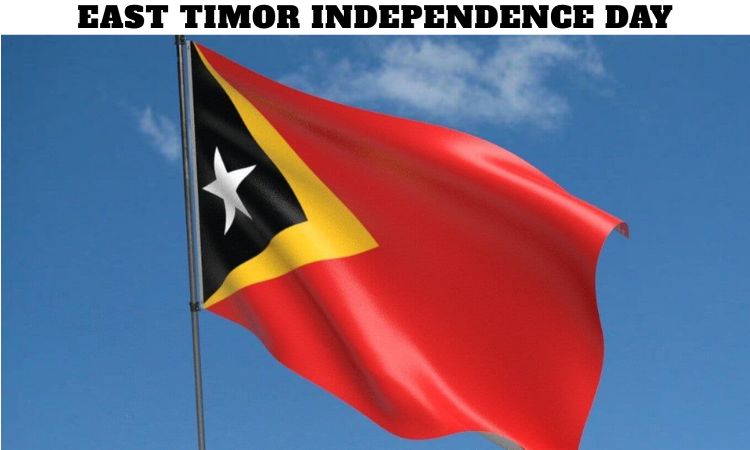
What Does the East Timor Flag Represent?
The national flag contains several symbolic colors and shapes:
- Red represents the struggle for liberation
- Black symbolizes colonial oppression
- Yellow reflects traces of colonialism
- White stands for peace
The white star on the flag represents hope and guidance for the nation’s future.
Why Is the National Anthem Important?
The national anthem, “Pátria,” is performed during official ceremonies and public events. It honors the sacrifices made during the independence struggle and promotes patriotism among citizens.
How Does East Timor’s Independence Day Promote National Unity?
East Timor is a young nation with diverse regional communities and languages. Independence Day encourages citizens to unite around common national values.
Schools, government institutions, and local organizations use the holiday to promote:
- Civic education
- Peacebuilding
- Reconciliation
- Cultural pride
- Youth engagement
Communities often organize volunteer projects, educational discussions, and cultural festivals to strengthen social bonds.
What Foods Are Common During Independence Day Celebrations?
Food is an important part of East Timorese celebrations. Families and communities prepare traditional meals and gather together during the holiday.
Popular dishes include:
- Ikan Pepes (spiced fish)
- Batar Da’an (corn and bean stew)
- Tapai (fermented rice dessert)
- Grilled seafood
- Rice-based dishes
- Tropical fruits
Sharing meals reflects the strong sense of community and hospitality in Timorese culture.
How Has East Timor Changed Since Independence?
Since gaining independence in 2002, East Timor has made progress in several areas despite economic and political challenges.
The country has focused on:
- Expanding education
- Building infrastructure
- Strengthening democratic institutions
- Developing healthcare systems
- Encouraging tourism
- Improving international relations
Although challenges remain, Independence Day allows citizens to reflect on achievements and future opportunities.
Why Is East Timor Independence Day Recognized Internationally?
East Timor’s independence story gained global attention because it represented a successful struggle for self-determination supported by international cooperation.
The country’s peaceful transition to independence became a symbol of resilience and diplomacy. Many nations recognize May 20 as an important historical date in Southeast Asian and international history.
Foreign leaders and international organizations often send messages of support and congratulations during the celebrations.
How Do Schools and Young People Participate in Independence Day?
Youth participation is central to the holiday. Schools organize:
- Historical presentations
- Essay competitions
- Cultural performances
- Flag ceremonies
- Patriotic songs
- Community service activities
Teachers educate students about the sacrifices made by earlier generations and the importance of protecting democracy and peace.
Young people are encouraged to contribute positively to the country’s future through education, leadership, and civic involvement.
What Does Independence Day Mean for the Future of East Timor?
Independence Day is both a remembrance of the past and a vision for the future. It reminds citizens of the importance of preserving sovereignty while working toward economic growth, stability, and social progress.
The celebration encourages national optimism and unity as East Timor continues to develop as an independent democratic nation.
For many Timorese people, May 20 remains a powerful symbol of freedom, dignity, resilience, and hope.
Frequently Asked Questions (FAQs)
1. When is East Timor Independence Day celebrated?
East Timor Independence Day is celebrated every year on May 20.
2. What does East Timor Independence Day commemorate?
It commemorates the restoration of East Timor’s independence in 2002.
3. What is the official name of East Timor?
The official name is the Democratic Republic of Timor-Leste.
4. Which country occupied East Timor before independence?
Indonesia occupied East Timor from 1975 until 1999.
5. What city hosts major Independence Day celebrations?
The capital city, Dili, hosts the largest national celebrations.
6. Who was Xanana Gusmão?
Xanana Gusmão was a major resistance leader and East Timor’s first president.
7. What role did the United Nations play in East Timor?
The United Nations helped oversee the transition to independence and peacekeeping operations.
8. What languages are spoken in East Timor?
The official languages are Tetum and Portuguese.
9. Is Independence Day a public holiday in East Timor?
Yes, it is a national public holiday.
10. Why is May 20 important for Timorese people?
May 20 symbolizes freedom, sovereignty, resilience, and national unity.