

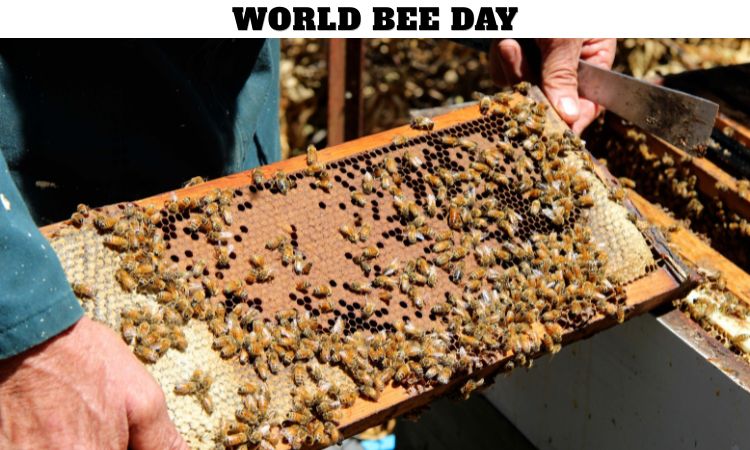
Why Is World Bee Day Celebrated on May 20?
World Bee Day, celebrated every year on May 20, highlights the critical role bees and other pollinators play in maintaining ecological balance and supporting global food production. The day was officially proclaimed by the United Nations to raise awareness about the importance of protecting bees, which are increasingly threatened by habitat destruction, climate change, pesticides, and pollution.
The date honors the birthday of Anton Janša, a pioneer of modern beekeeping from Slovenia, who dedicated his life to understanding and promoting sustainable beekeeping practices. Across the globe, World Bee Day encourages governments, environmental organizations, farmers, and citizens to work together in protecting pollinator populations and preserving biodiversity.
Bees are far more than honey producers. They are essential pollinators responsible for fertilizing crops and wild plants. Without bees, ecosystems would weaken, food supplies would shrink, and agricultural economies would suffer severe consequences.
What Makes Bees So Important to Human Survival?
Bees contribute directly to the pollination of approximately 75% of the world’s flowering plants and nearly 35% of global food crops. Fruits, vegetables, nuts, seeds, and oils all depend heavily on pollination services provided by bees.
Foods such as apples, almonds, cucumbers, blueberries, pumpkins, and coffee rely significantly on pollinators. Without bees, many nutritious foods would become scarce and expensive. This would affect not only diets but also global food security and economic stability.
Bees also support biodiversity by enabling plants to reproduce. Healthy plant populations provide shelter and food for wildlife, maintain soil quality, and contribute to clean air and water systems. In many ways, bees are silent guardians of the environment.
Farmers depend on healthy bee populations to maintain crop yields and quality. Pollination increases productivity, improves fruit size, and enhances seed production. Economically, pollinators contribute billions of dollars annually to the agricultural sector worldwide.
How Do Bees Help the Environment?
The environmental importance of bees cannot be overstated. Through pollination, bees sustain forests, grasslands, gardens, and agricultural systems. Pollination supports plant diversity, which strengthens ecosystems and helps wildlife survive.
Bees contribute to:
- Plant reproduction
- Healthy ecosystems
- Food chain stability
- Soil protection
- Climate resilience
- Wildlife preservation
When bees move from flower to flower collecting nectar and pollen, they transfer pollen grains that enable plants to produce fruits and seeds. This process supports the natural regeneration of vegetation.
Many animals rely on plants pollinated by bees for food and habitat. Birds, insects, mammals, and even aquatic systems benefit indirectly from healthy pollinator populations.
Without bees, many plant species would decline dramatically, leading to ecosystem collapse in some regions. Protecting bees means protecting the planet’s environmental balance.
What Are the Biggest Threats Facing Bees Today?
Bee populations worldwide are facing serious challenges that threaten their survival. Scientists and environmentalists continue to warn about declining bee colonies caused by multiple human-driven factors.
Pesticides and Chemicals
Chemical pesticides, especially neonicotinoids, can weaken bees’ immune systems, impair navigation, and reduce reproduction rates. Exposure to toxic chemicals often leads to colony collapse and death.
Habitat Loss
Urbanization, industrial agriculture, and deforestation reduce the availability of flowering plants and nesting spaces. Bees need diverse habitats with continuous food sources throughout the year.
Climate Change
Rising temperatures, changing rainfall patterns, and extreme weather events disrupt flowering cycles and bee behavior. Climate instability makes it harder for bees to find food and maintain healthy colonies.
Parasites and Diseases
Varroa mites, fungal infections, and viruses severely affect honeybee colonies. Weak colonies become more vulnerable to environmental stress and food shortages.
Monoculture Farming
Large-scale farming of single crops limits biodiversity and reduces nutritional diversity for bees. Pollinators require a variety of flowers for balanced nutrition and strong immunity.
How Is World Bee Day Celebrated Around the World?
Countries worldwide organize educational and environmental activities to celebrate World Bee Day. These events promote awareness about pollinator conservation and encourage sustainable environmental practices.
Common World Bee Day activities include:
- Beekeeping workshops
- School awareness campaigns
- Tree and flower planting drives
- Honey exhibitions
- Environmental seminars
- Community gardening events
- Pollinator-friendly farming initiatives
Many schools use the day to educate children about pollination and biodiversity. Environmental organizations conduct campaigns encouraging people to plant bee-friendly flowers and reduce pesticide use.
Governments and agricultural agencies also use World Bee Day to discuss sustainable farming methods and pollinator protection policies.
Social media campaigns, documentaries, and public exhibitions help spread awareness to wider audiences, inspiring communities to take action in protecting pollinators.
What Are the Different Types of Bees Found Worldwide?
There are more than 20,000 known bee species worldwide, each playing a unique role in pollination and ecosystem health.
Honey Bees
Honey bees are the most recognized bee species due to their role in honey production and commercial pollination. They live in organized colonies with queens, workers, and drones.
Bumblebees
Bumblebees are larger, fuzzy bees known for their excellent pollination abilities. They can pollinate crops in colder climates and are especially important for tomatoes and berries.
Solitary Bees
Unlike honey bees, solitary bees do not live in colonies. Species like mason bees and leafcutter bees are highly efficient pollinators and essential for wild ecosystems.
Carpenter Bees
Carpenter bees build nests in wood and are important pollinators for many flowering plants.
Stingless Bees
Found mostly in tropical regions, stingless bees are valuable pollinators and honey producers in several countries.
Each bee species contributes differently to agriculture and environmental sustainability.
How Can Individuals Help Protect Bees?
Every person can contribute to bee conservation through simple but impactful actions. Small environmental changes at home and in communities can significantly improve pollinator health.
Plant Bee-Friendly Flowers
Grow native flowering plants that bloom throughout different seasons. Lavender, sunflowers, marigolds, wildflowers, and basil attract pollinators.
Avoid Harmful Pesticides
Reduce or eliminate chemical pesticide use in gardens and farms. Organic gardening methods are safer for pollinators and ecosystems.
Create Pollinator Habitats
Provide water sources, bee hotels, and natural nesting spaces. Untouched garden areas help solitary bees survive.
Support Local Beekeepers
Buying local honey and bee-related products encourages sustainable beekeeping practices and supports local agriculture.
Spread Awareness
Educating others about the importance of bees can inspire larger community efforts toward pollinator conservation.
Protecting bees begins with informed choices and environmentally responsible habits.
Why Are Bees Important for Agriculture and Food Production?
Agriculture depends heavily on pollination services provided by bees. Many crops require insect pollination to produce fruits, seeds, and vegetables.
Bees improve:
- Crop quality
- Food quantity
- Seed production
- Agricultural profitability
- Nutritional diversity
Crops such as almonds rely almost entirely on honeybee pollination. Other fruits and vegetables experience significantly higher yields when pollinated effectively.
Without bees, farmers would face reduced productivity, increased production costs, and food shortages. Artificial pollination methods are expensive and far less efficient than natural pollinators.
Global food systems are closely connected to bee health. Protecting bees ensures sustainable agriculture and stable food supplies for future generations.
What Is the Connection Between Bees and Biodiversity?
Biodiversity depends on healthy pollinator populations. Bees maintain the reproductive cycles of flowering plants that support countless animal species.
When bees pollinate plants, ecosystems remain productive and resilient. Diverse plant life provides oxygen, absorbs carbon dioxide, stabilizes soil, and supports wildlife populations.
Bee decline can trigger negative ecological effects, including:
- Reduced plant diversity
- Lower crop yields
- Habitat destruction
- Wildlife population decline
- Increased ecosystem instability
Healthy biodiversity strengthens ecosystems against climate change and environmental stress. Protecting bees contributes directly to global conservation efforts.
How Can Schools and Communities Participate in World Bee Day?
Educational institutions and communities play an important role in spreading awareness about bee conservation.
Schools can organize:
- Nature walks
- Pollination science projects
- Beekeeping demonstrations
- Poster competitions
- Gardening programs
Communities can support pollinators by creating green spaces filled with native flowers and reducing chemical use in public areas.
Environmental clubs and local governments can host workshops teaching sustainable gardening and biodiversity protection.
World Bee Day provides an excellent opportunity for collective environmental action and long-term sustainability education.
What Is the Future of Bee Conservation?
The future of bee populations depends on global cooperation, sustainable agriculture, and environmental responsibility. Governments, scientists, farmers, and individuals must work together to protect pollinators from growing threats.
Important conservation strategies include:
- Reducing pesticide dependence
- Restoring natural habitats
- Supporting organic farming
- Investing in pollinator research
- Promoting biodiversity-friendly policies
Innovative agricultural practices, ecological awareness, and stronger environmental laws can help reverse pollinator decline.
Protecting bees is not only about preserving insects. It is about ensuring food security, environmental health, and sustainable living for future generations.
World Bee Day reminds us that even the smallest creatures can have the greatest impact on life on Earth.
Frequently Asked Questions (FAQs)
1. What is World Bee Day?
World Bee Day is an international observance held on May 20 to raise awareness about the importance of bees and pollinators.
2. Why is World Bee Day celebrated on May 20?
The date marks the birthday of Anton Janša, a Slovenian beekeeper considered a pioneer of modern beekeeping.
3. Why are bees important to humans?
Bees pollinate crops and plants essential for food production, biodiversity, and environmental balance.
4. What are the biggest threats to bees?
Pesticides, habitat loss, climate change, diseases, and pollution are major threats to bee populations.
5. How do bees help agriculture?
Bees improve crop yields, fruit quality, and seed production through pollination.
6. What can people do to protect bees?
Planting flowers, avoiding pesticides, supporting local beekeepers, and creating pollinator habitats can help protect bees.
7. How many bee species exist worldwide?
There are more than 20,000 known species of bees around the world.
8. What is pollination?
Pollination is the transfer of pollen between flowers, enabling plants to reproduce and produce fruits and seeds.
9. Why is biodiversity connected to bees?
Bees support plant reproduction, which maintains ecosystems and wildlife habitats.
10. How do schools celebrate World Bee Day?
Schools organize awareness programs, gardening activities, educational workshops, and environmental projects.