

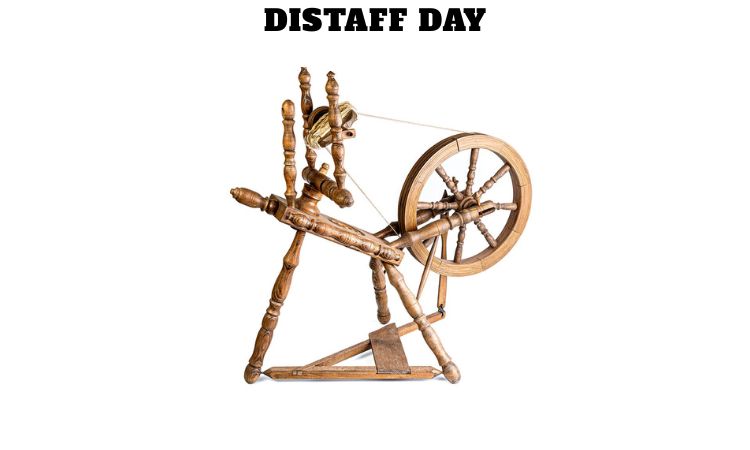
Distaff Day, observed annually on January 7, is a culturally rich and historically significant occasion that honors women’s work, domestic craftsmanship, and traditional roles passed down through generations. Rooted deeply in European folklore, Distaff Day marks the resumption of household duties after the Christmas festivities and Twelfth Night celebrations. We recognize this day as a tribute to women’s resilience, skill, and contribution to family and society, both historically and in modern times.
Celebrated primarily in England and parts of Europe, Distaff Day has evolved from a symbolic observance into a broader reflection on women’s empowerment, labor, and heritage. By understanding its origins and meaning, we preserve a vital part of social history that continues to resonate today.
Historical Origins of Distaff Day
The term “distaff” refers to a tool used in spinning wool or flax, traditionally associated with women’s work. In medieval households, spinning was a daily task, and the distaff symbolized female productivity and domestic responsibility.
Distaff Day traditionally followed Plough Monday, which celebrated the return of men to agricultural labor. While Plough Monday honored men’s outdoor work, Distaff Day acknowledged women returning to spinning, weaving, sewing, and other essential household duties. This clear division highlights how labor was once structured and socially recognized.
In earlier centuries, Distaff Day was marked by playful customs. Women would return to work, while men often teased them by attempting to steal or burn the distaffs, leading to lighthearted chases and celebrations. These rituals reflected not conflict, but community bonding and mutual dependence.
Why is Distaff Day celebrated on January 7?
January 7 holds symbolic importance as it follows the end of the Twelve Days of Christmas. With festivities concluded, households returned to routine, making it the perfect time to honor the restart of daily labor.
We observe Distaff Day on January 7 to emphasize:
Renewal of productivity
Respect for domestic work
Acknowledgment of women’s historical roles
This timing reinforces the idea that labor, often invisible, deserves recognition just as much as celebration.
Cultural Significance of Distaff Day
Distaff Day stands as a powerful reminder of how women’s work shaped economies and communities long before industrialization. Spinning and weaving were not only household tasks but also sources of income and trade.
The day highlights:
Textile craftsmanship as economic power
Skill transmission from mother to daughter
Women’s contribution to social stability
By honoring these traditions, we preserve cultural memory and give value to work that history often overlooked.
Distaff Day in Literature and Folklore
Distaff Day appears frequently in English folklore, ballads, and rural traditions. Writers and poets referenced the day to symbolize female diligence and order returning after holiday indulgence.
In folklore, the distaff often represented:
Industry and virtue
Domestic authority
Continuity of life and livelihood
These literary references further cement Distaff Day’s role in shaping cultural identity and storytelling.
Modern Interpretation of Distaff Day
While spinning wheels may no longer dominate households, Distaff Day remains highly relevant. Today, we interpret it as a celebration of women’s labor in all forms, from domestic management to professional achievement.
Modern observances focus on:
Gender equality
Recognition of unpaid labor
Celebration of women’s skills and careers
Distaff Day has become an opportunity to reflect on how far society has progressed while acknowledging ongoing challenges.
Distaff Day and Women’s Empowerment
Distaff Day aligns naturally with conversations about women’s empowerment and economic contribution. Historically, women’s work sustained families; today, it drives global economies.
We use Distaff Day to:
Honor working women across industries
Recognize homemakers and caregivers
Promote respect for all forms of labor
By reframing Distaff Day through a modern lens, we transform it into a day of pride, recognition, and empowerment.
How is Distaff Day Celebrated Today?
Although not widely commercialized, Distaff Day is observed in meaningful and symbolic ways:
Cultural programs highlighting women’s history
Educational discussions on traditional crafts
Social media campaigns celebrating women’s work
Personal reflection on work-life balance
Communities and organizations increasingly use January 7 to spotlight women’s achievements and stories, keeping the spirit of Distaff Day alive.
Distaff Day vs Plough Monday: A Balanced Perspective
Distaff Day and Plough Monday together present a complete picture of traditional labor roles. While Plough Monday honored men’s agricultural work, Distaff Day ensured women’s labor was equally acknowledged.
This balance teaches us:
Labor is interconnected
Every role supports the other
Recognition should be inclusive
Together, these observances remind us that progress depends on collective effort.
Why Distaff Day Matters in the 21st Century?
In today’s fast-paced world, Distaff Day offers a moment to pause and recognize often-overlooked contributions. Domestic labor, caregiving, and emotional work remain undervalued despite their importance.
Distaff Day matters because it:
Promotes social awareness
Encourages respect for all professions
Reinforces cultural heritage
By remembering Distaff Day, we ensure that history informs progress.
Educational Importance of Distaff Day
Distaff Day provides educators with a unique opportunity to discuss:
Women’s history
Traditional crafts and skills
Social evolution of labor
Teaching about Distaff Day helps younger generations understand how societal roles developed and why equality and recognition are essential today.
Distaff Day and Cultural Preservation
Cultural traditions like Distaff Day risk fading without awareness. By actively observing and discussing the day, we contribute to cultural preservation and historical continuity.
Distaff Day reminds us that heritage is not only about monuments and events, but also about daily work, skill, and perseverance.
Conclusion: The Enduring Legacy of Distaff Day – January 7
Distaff Day stands as a timeless tribute to women’s work, resilience, and cultural contribution. From spinning wheels in medieval homes to modern workplaces worldwide, the spirit of Distaff Day continues to inspire respect and recognition.