

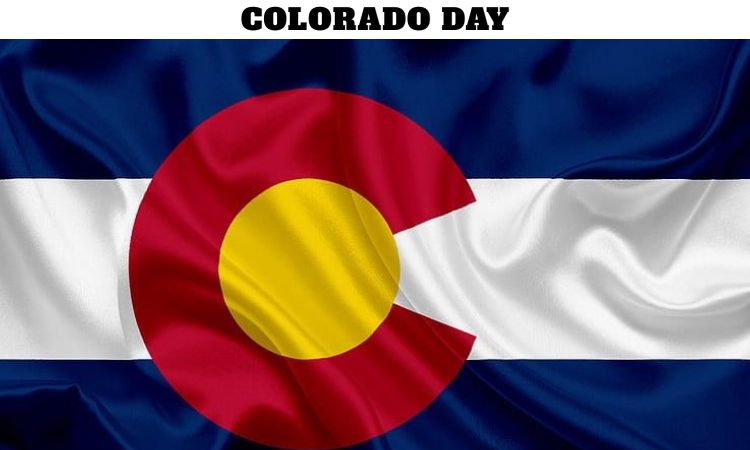
What Is Colorado Day?
Colorado Day is celebrated every year on August 1 to commemorate the admission of Colorado as the 38th state of the United States on August 1, 1876. The date marks an important chapter in American history because Colorado joined the Union exactly one hundred years after the signing of the Declaration of Independence in 1776. This unique timing earned Colorado the famous nickname, “The Centennial State.”
Colorado Day is more than just an anniversary of statehood. It is an opportunity for residents and visitors alike to appreciate Colorado’s breathtaking natural beauty, vibrant culture, rich mining heritage, and remarkable contributions to the United States. Across the state, museums, parks, historical sites, and communities organize educational events, outdoor adventures, and family-friendly celebrations that honor Colorado’s past while embracing its future.
For many people, Colorado Day is a reminder of the state’s pioneering spirit, its commitment to conservation, and the diverse communities that have shaped its identity over nearly a century and a half.
Why Is Colorado Day Celebrated on August 1?
Colorado Day is observed on August 1 because President Ulysses S. Grant officially signed the proclamation admitting Colorado into the Union on August 1, 1876. The timing was especially meaningful because the United States was celebrating its centennial year, making Colorado the only state to enter the Union during that historic milestone.
Before becoming a state, Colorado was known as the Colorado Territory, established in 1861. The region experienced rapid growth due to the discovery of gold during the Pike’s Peak Gold Rush of 1858. Thousands of settlers arrived seeking fortune, helping transform the territory into a thriving center of commerce, transportation, and mining.
The road to statehood was not immediate. Colorado residents sought admission several times before finally receiving congressional approval. Once admitted, the state quickly became known for its abundant natural resources, majestic mountains, and expanding economy.
Today, August 1 represents both historical achievement and a celebration of Colorado’s enduring legacy.
How Did Colorado Become the Centennial State?
Colorado’s nickname, “The Centennial State,” is directly connected to its admission into the Union during America’s 100th anniversary year. Since the Declaration of Independence was signed in 1776 and Colorado became a state in 1876, the timing was historically significant.
The centennial celebration across the United States created an atmosphere of patriotism and national pride. Colorado’s statehood became part of that historic moment, forever linking the state’s identity with America’s first hundred years.
The nickname has remained one of Colorado’s most recognizable symbols and appears frequently in tourism campaigns, educational materials, and state celebrations. It reflects not only the state’s historical timing but also its important role in America’s westward expansion.
What Is the History Behind Colorado Day?
Long before European settlers arrived, the land now known as Colorado was home to Native American tribes including the Ute, Arapaho, Cheyenne, Apache, and Pueblo peoples. These communities developed rich cultures and traditions that continue to influence the state today.
Spanish explorers entered the region during the sixteenth century, followed by French traders and American explorers in later centuries. Much of Colorado became part of the United States through the Louisiana Purchase in 1803 and the Mexican Cession following the Mexican-American War in 1848.
The discovery of gold dramatically changed Colorado’s future. The Pike’s Peak Gold Rush attracted tens of thousands of prospectors and entrepreneurs, creating booming settlements throughout the territory. Railroads soon connected Colorado with other parts of the country, encouraging commerce and migration.
In 1861, the Colorado Territory was officially established. Over the next fifteen years, the population expanded rapidly, agriculture flourished, and mining remained a key economic driver. These developments eventually paved the way for statehood in 1876.
Colorado Day recognizes this remarkable journey from frontier territory to one of America’s most dynamic states.
How Do People Celebrate Colorado Day?
Colorado Day celebrations vary throughout the state, offering activities for people of all ages and interests. Many communities organize historical reenactments, educational programs, concerts, festivals, and cultural exhibitions that highlight Colorado’s heritage.
State parks often offer free or discounted admission during Colorado Day celebrations, encouraging residents and tourists to explore Colorado’s spectacular natural landscapes. Hiking, camping, fishing, mountain biking, and wildlife viewing become popular ways to honor the state’s outdoor traditions.
Museums host special exhibits focusing on mining history, Native American heritage, pioneer settlements, and the development of Colorado’s cities. Local historical societies frequently organize walking tours and presentations that bring the state’s past to life.
Families often celebrate by visiting national parks, enjoying picnics, attending community parades, or participating in outdoor recreation. Schools and libraries also use Colorado Day as an educational opportunity to teach children about state history, geography, and culture.
What Makes Colorado Unique?
Colorado stands out for its incredible diversity of landscapes and ecosystems. The state contains portions of the Rocky Mountains, Great Plains, Colorado Plateau, and numerous forests, rivers, and canyons.
The famous Rocky Mountains attract millions of visitors every year for skiing, snowboarding, hiking, mountaineering, and scenic drives. Colorado is also home to more than fifty mountain peaks exceeding 14,000 feet in elevation, commonly known as “Fourteeners.”
Denver, the state capital, combines modern urban living with easy access to outdoor adventures. Cities such as Colorado Springs, Boulder, Fort Collins, and Aspen each contribute their own distinctive culture and attractions.
Colorado is recognized for its thriving technology sector, aerospace industry, renewable energy initiatives, world-class universities, and growing economy. Agriculture, tourism, and outdoor recreation continue to play significant roles in supporting local communities.
The state’s commitment to preserving public lands has helped protect many of its most iconic natural treasures for future generations.
Why Is Colorado Important in American History?
Colorado has played a significant role in shaping the history of the American West. During the nineteenth century, mining discoveries fueled economic growth and encouraged westward migration. Gold and silver mining helped finance infrastructure development while attracting businesses and settlers from across the country.
Colorado also contributed significantly to railroad expansion, connecting western territories with eastern markets and strengthening national commerce.
Military installations established throughout the state have supported national defense for decades. Colorado’s aerospace industry later became an important contributor to space exploration and scientific research.
Environmental conservation has also become part of Colorado’s historical legacy. The state’s national parks, forests, monuments, and protected lands demonstrate the importance of balancing economic development with natural preservation.
Colorado continues to influence national discussions on renewable energy, environmental stewardship, outdoor recreation, and technological innovation.
What Are Some Interesting Facts About Colorado?
- Colorado offers countless fascinating facts that reflect its unique character. It was the first state to legalize recreational cannabis through voter approval. The state has the highest average elevation in the United States, with an average of approximately 6,800 feet above sea level.
- The United States Air Force Academy is located in Colorado Springs and serves as one of the nation’s premier military institutions.
- Colorado contains four national parks: Rocky Mountain National Park, Mesa Verde National Park, Great Sand Dunes National Park and Preserve, and Black Canyon of the Gunnison National Park.
- The famous Royal Gorge Bridge is among the highest suspension bridges in the United States and remains a major tourist attraction.
- Colorado is home to over twenty-five ski resorts that attract winter sports enthusiasts from around the world.
- The state’s official flower is the Rocky Mountain Columbine, while the state animal is the Rocky Mountain Bighorn Sheep.
- Colorado receives more than 300 days of sunshine annually in many regions, making it an excellent destination for outdoor activities throughout the year.
Why Does Colorado Day Continue to Matter Today?
Colorado Day remains relevant because it encourages people to appreciate both the state’s historical achievements and its future opportunities. The celebration reminds residents of the determination, innovation, and resilience that shaped Colorado from its earliest settlements to its modern economy.
The day also promotes cultural awareness by recognizing Native American history alongside the contributions of pioneers, immigrants, entrepreneurs, scientists, artists, and conservationists who have helped build the state.
Colorado Day inspires civic pride while encouraging responsible stewardship of the state’s extraordinary natural resources. It highlights the importance of protecting mountains, rivers, forests, wildlife, and public lands for future generations.
As Colorado continues to grow in population and economic influence, the annual celebration serves as an opportunity to reflect on the values that have made the Centennial State one of America’s most admired places to live, work, and visit.
Whether celebrated through outdoor adventures, educational events, community festivals, or quiet appreciation of Colorado’s magnificent scenery, Colorado Day continues to unite people in honoring the state’s remarkable past and promising future.
Frequently Asked Questions (FAQs)
1. When is Colorado Day celebrated?
Colorado Day is celebrated every year on August 1.
2. Why is Colorado called the Centennial State?
Colorado became the 38th U.S. state in 1876, exactly 100 years after the Declaration of Independence was signed.
3. Which number state is Colorado?
Colorado is the 38th state admitted to the United States.
4. When did Colorado become a state?
Colorado officially became a state on August 1, 1876.
5. What is the purpose of Colorado Day?
The day celebrates Colorado’s statehood, history, culture, and contributions to the United States.
6. How do people celebrate Colorado Day?
People celebrate by visiting parks, museums, attending festivals, hiking, and participating in educational events.
7. What is Colorado’s state nickname?
Colorado is known as The Centennial State.
8. What is Colorado famous for?
Colorado is famous for the Rocky Mountains, skiing, national parks, outdoor recreation, mining history, and beautiful landscapes.
9. What is the capital of Colorado?
The capital city of Colorado is Denver.
10. Why is Colorado historically important?
Colorado played a major role in westward expansion, mining, transportation, conservation, and modern aerospace development.