

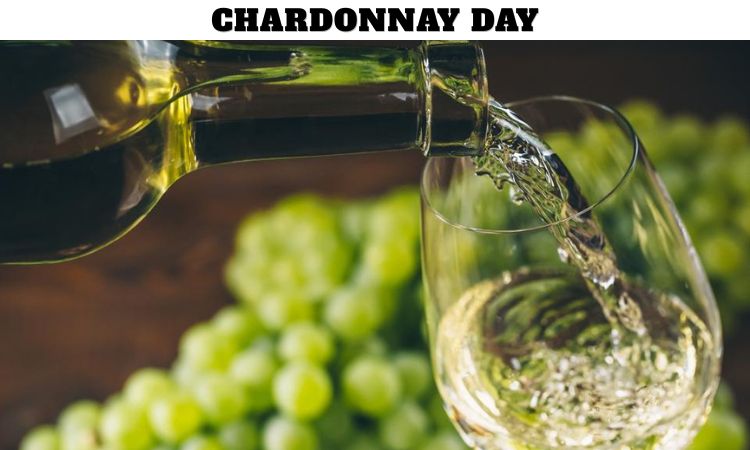
Chardonnay Day, celebrated every year on May 21, honors one of the most beloved and versatile white wines in the world. Wine enthusiasts, vineyards, restaurants, and casual drinkers come together to appreciate the rich flavors, elegant aromas, and global influence of Chardonnay wine. From crisp and mineral-driven styles to creamy oak-aged varieties, Chardonnay has earned a permanent place in wine culture across continents.
This celebration is more than simply enjoying a glass of wine. It is an opportunity to explore centuries of winemaking tradition, understand regional differences, learn ideal food pairings, and appreciate the craftsmanship behind every bottle.
What Is Chardonnay Day and Why Is It Celebrated?
Chardonnay Day is an international wine celebration dedicated entirely to Chardonnay grapes and the wines produced from them. Wine lovers recognize the day by tasting different Chardonnay varieties, attending vineyard tours, hosting wine dinners, and sharing their favorite labels with friends and family.
The celebration highlights the remarkable adaptability of Chardonnay grapes. These grapes can thrive in a wide range of climates, resulting in wines that vary dramatically depending on where and how they are produced.
The day also promotes wine education and appreciation. Many wineries organize tastings that showcase regional styles, helping consumers understand the diversity within Chardonnay wines.
What Makes Chardonnay the Most Popular White Wine?
Chardonnay stands out because of its flexibility and broad flavor profile. Unlike many wines with limited styles, Chardonnay can range from light and citrusy to rich and buttery.
Several factors contribute to its global popularity:
- Easy adaptability to various climates
- Excellent aging potential
- Compatibility with countless foods
- Wide range of flavor expressions
- Availability in nearly every wine-producing country
Whether someone prefers fresh fruit-forward wines or complex barrel-aged varieties, Chardonnay offers something for every palate.
Where Did Chardonnay Originate?
The Chardonnay grape originated in the Burgundy region of France, one of the most prestigious wine-producing areas in the world. Historians believe the grape developed naturally through the crossing of ancient grape varieties.
French winemakers refined Chardonnay production over centuries, establishing Burgundy as the benchmark for premium Chardonnay wines. Today, regions such as Chablis, Meursault, and Puligny-Montrachet are internationally recognized for exceptional Chardonnay production.
From France, Chardonnay spread globally and became one of the most widely planted grape varieties in the wine industry.
How Is Chardonnay Produced?
The production process for Chardonnay varies depending on the desired wine style. However, most winemaking follows several key stages:
Harvesting the Grapes
Grapes are harvested once they reach optimal ripeness. Timing greatly influences acidity, sweetness, and flavor intensity.
Pressing and Fermentation
After harvesting, grapes are pressed to extract juice. The juice then undergoes fermentation using yeast, which converts sugars into alcohol.
Oak Aging or Stainless Steel Aging
Some Chardonnays age in stainless steel tanks to preserve fresh fruit flavors and crisp acidity. Others age in oak barrels, adding notes of vanilla, butter, spice, and toasted nuts.
Malolactic Fermentation
Many winemakers use malolactic fermentation to soften acidity and create the creamy texture associated with traditional buttery Chardonnay.
What Are the Different Styles of Chardonnay?
One reason Chardonnay remains globally admired is its stylistic diversity.
What Is Unoaked Chardonnay?
Unoaked Chardonnay is fermented and aged without oak barrels. These wines are usually:
- Crisp
- Light-bodied
- Citrus-forward
- Mineral-driven
Common flavors include green apple, lemon, pear, and white flowers.
What Is Oaked Chardonnay?
Oaked Chardonnay ages in wooden barrels, producing richer and more complex flavors such as:
- Vanilla
- Butter
- Caramel
- Toasted almond
- Tropical fruits
These wines often have a fuller body and creamy mouthfeel.
What Is Sparkling Chardonnay?
Chardonnay is also a major component in sparkling wines, especially Champagne. It contributes elegance, acidity, and aging potential to sparkling blends.
Which Countries Produce the Best Chardonnay Wines?
Chardonnay thrives across the globe, and each region creates distinctive flavor profiles.
France
France remains the spiritual home of Chardonnay. Burgundy and Chablis produce some of the finest examples known for minerality and elegance.
United States
California is famous for bold, fruit-rich Chardonnay wines with creamy textures and oak influence.
Australia
Australian Chardonnay often combines ripe tropical fruit flavors with balanced acidity.
New Zealand
New Zealand produces vibrant Chardonnay wines with fresh citrus notes and refined structure.
South Africa
South African winemakers create balanced Chardonnays with exceptional value and complexity.
Chile and Argentina
South American Chardonnay wines continue to gain recognition for affordability and quality.
What Foods Pair Best with Chardonnay?
Chardonnay is highly food-friendly because of its broad range of styles.
Seafood Pairings
Crisp Chardonnay pairs beautifully with:
- Grilled fish
- Shrimp
- Oysters
- Lobster
Chicken and Poultry
Creamy Chardonnay complements roasted chicken, turkey, and rich poultry dishes.
Cheese Pairings
Soft cheeses like Brie, Camembert, and Gruyère work exceptionally well with Chardonnay wines.
Pasta and Cream Sauces
Oaked Chardonnay pairs perfectly with creamy pasta dishes and buttery sauces.
Vegetarian Dishes
Vegetable risottos, roasted squash, and mushroom-based meals pair elegantly with balanced Chardonnay wines.
How Can We Celebrate Chardonnay Day?
There are many enjoyable ways to celebrate Chardonnay Day on May 21.
Host a Chardonnay Tasting Party
Invite friends to sample Chardonnay wines from different countries and compare styles.
Visit a Local Vineyard
Many wineries organize special events, tastings, and vineyard tours during Chardonnay Day celebrations.
Pair Chardonnay with Gourmet Meals
Prepare dishes specifically designed to complement Chardonnay’s flavor profile.
Learn About Wine Appreciation
Take a wine education course or attend a sommelier-led tasting session to deepen understanding of Chardonnay production.
Share the Celebration Online
Wine enthusiasts often post tasting experiences, recommendations, and pairing ideas on social media during the celebration.
What Temperature Should Chardonnay Be Served At?
Serving temperature significantly impacts wine flavor and aroma.
- Unoaked Chardonnay: 45–50°F (7–10°C)
- Oaked Chardonnay: 50–55°F (10–13°C)
Overchilling can mute flavors, while serving too warm may reduce freshness and balance.
What Glass Is Best for Chardonnay?
A medium to large white wine glass is ideal for Chardonnay. Wider bowls allow aromas to develop properly, especially in richer oak-aged styles.
Proper glassware enhances the tasting experience by directing aromas toward the nose and balancing the wine’s texture on the palate.
Why Does Chardonnay Taste Buttery?
The buttery flavor in Chardonnay primarily comes from malolactic fermentation, a process where sharp malic acid converts into softer lactic acid.
This technique creates creamy textures and flavors resembling butter, cream, and yogurt. Oak barrel aging can further intensify these characteristics.
Is Chardonnay Suitable for Aging?
Many premium Chardonnay wines age exceptionally well. High-quality bottles can develop additional complexity over time, including flavors of honey, nuts, brioche, and dried fruits.
However, not all Chardonnay wines are intended for long-term aging. Fresh, fruit-forward styles are typically best consumed within a few years.
What Is the Cultural Importance of Chardonnay Day?
Chardonnay Day reflects the global appreciation of wine culture and craftsmanship. The celebration supports vineyards, promotes tourism, encourages responsible wine enjoyment, and strengthens connections among wine enthusiasts worldwide.
Wine has long represented hospitality, tradition, and celebration. Chardonnay Day continues this tradition by bringing people together around shared experiences and appreciation for quality winemaking.
How Is Chardonnay Different From Other White Wines?
Compared with Sauvignon Blanc, Pinot Grigio, and Riesling, Chardonnay offers greater stylistic flexibility.
- Sauvignon Blanc is usually more herbal and acidic.
- Pinot Grigio tends to be lighter and simpler.
- Riesling often has more sweetness and floral aromas.
- Chardonnay ranges from crisp and mineral to rich and buttery.
This versatility allows Chardonnay to appeal to both new wine drinkers and experienced collectors.
Why Does Chardonnay Continue to Dominate the Wine Industry?
Chardonnay remains dominant because it consistently adapts to changing consumer preferences. Winemakers continue experimenting with fermentation methods, oak usage, vineyard techniques, and regional styles.
The grape’s reliability, international recognition, and food compatibility ensure its continued success in restaurants, retail stores, and wine collections worldwide.
Chardonnay Day on May 21 celebrates much more than a single grape variety. It honors centuries of winemaking excellence, cultural traditions, and the artistry behind one of the world’s most iconic white wines.
Whether enjoyed as a crisp mineral-driven wine from France or a rich buttery bottle from California, Chardonnay continues to unite wine lovers across the globe. Its diversity, elegance, and timeless appeal make Chardonnay Day an ideal occasion to discover new flavors, explore vineyard traditions, and raise a glass to exceptional winemaking.
Frequently Asked Questions (FAQs)
1. When is Chardonnay Day celebrated?
Chardonnay Day is celebrated annually on May 21.
2. What is Chardonnay wine made from?
Chardonnay wine is made from Chardonnay grapes, a green-skinned grape variety originally from France.
3. Why is Chardonnay so popular?
Its versatility, food compatibility, and wide range of flavor styles make Chardonnay highly popular worldwide.
4. What does Chardonnay taste like?
Chardonnay flavors may include apple, pear, citrus, butter, vanilla, tropical fruit, and oak spice.
5. What foods pair best with Chardonnay?
Seafood, roasted chicken, creamy pasta, soft cheeses, and mushroom dishes pair well with Chardonnay.
6. Is Chardonnay sweet or dry?
Most Chardonnay wines are dry, although some styles may have slight sweetness.
7. What is the difference between oaked and unoaked Chardonnay?
Oaked Chardonnay has richer buttery and vanilla notes, while unoaked Chardonnay tastes fresher and more citrus-driven.
8. Which country produces the best Chardonnay?
France is historically considered the benchmark producer, though excellent Chardonnay is made worldwide.
9. How should Chardonnay be served?
It should be served chilled between 45°F and 55°F depending on the style.
10. Can Chardonnay age well?
Yes, premium Chardonnay wines can develop greater complexity with aging.