
What Is Card Reading Day and Why Is It Celebrated on February 21?
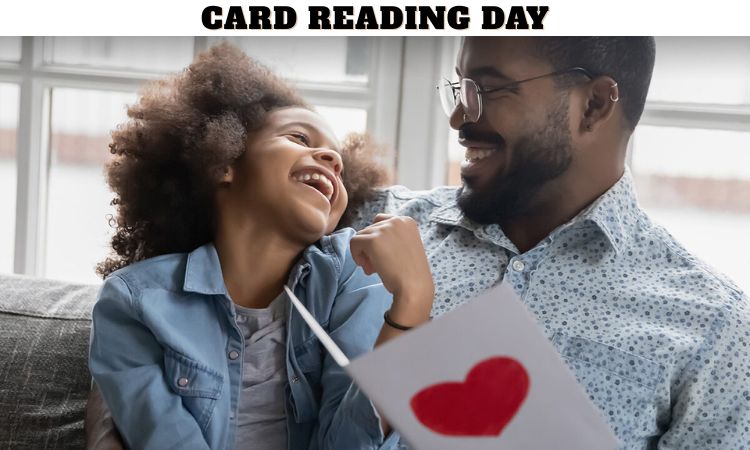
Card Reading Day, observed annually on February 21, is a delightful occasion dedicated to revisiting and cherishing greeting cards received from loved ones. In today’s digital age—where messages are often reduced to short texts, emojis, and instant notifications—this day reminds us of the emotional power of handwritten words. Card Reading Day encourages people to open old boxes, drawers, and albums filled with birthday cards, holiday greetings, anniversary wishes, and thank-you notes, and relive the memories attached to them.
The celebration highlights the sentimental value of physical cards. Unlike fleeting digital messages, greeting cards are tangible keepsakes. They capture a moment in time—sometimes filled with laughter, sometimes with heartfelt emotion. February 21 serves as the perfect opportunity to pause, reflect, and reconnect with personal memories through these treasured mementos.
This unofficial holiday is less about commercial promotion and more about appreciation. It’s about honoring the thought, effort, and love that someone invested in selecting, writing, and sending a card.
How Did the Tradition of Greeting Cards Begin?
The tradition of sending greeting cards dates back centuries. Early forms of greeting messages can be traced to ancient civilizations, including Egypt and China, where people exchanged messages of goodwill during festivals and special occasions. However, the modern greeting card industry took shape in the 19th century.
In the United Kingdom, Sir Henry Cole played a pivotal role in popularizing commercial Christmas cards in 1843. Around the same time in the United States, companies began producing printed cards for holidays and celebrations. One of the most influential companies in shaping the greeting card industry is Hallmark, founded in 1910. Hallmark revolutionized the way people expressed emotions through beautifully designed cards with thoughtful messages.
Over time, greeting cards became a staple for nearly every life event—birthdays, weddings, graduations, condolences, and holidays. Card Reading Day builds upon this rich tradition by encouraging reflection on the cards we have received over the years.
Why Are Greeting Cards Still Important in the Digital Age?
In an era dominated by instant messaging and social media platforms like Facebook and WhatsApp, some may wonder whether greeting cards still matter. The answer is a resounding yes.
Digital messages are convenient, but they often lack permanence. A handwritten card, however, carries personality. The handwriting, the ink color, the doodles in the margins—all these details create a unique emotional imprint. A physical card can be displayed on a shelf, tucked into a scrapbook, or stored in a memory box.
Moreover, receiving a card in the mail creates a special sense of anticipation. The act of opening an envelope and unfolding a card adds to the experience. Card Reading Day reminds us that while technology connects us instantly, traditional greeting cards connect us emotionally.
What Emotional Benefits Come from Reading Old Cards?
Revisiting old greeting cards can be a deeply emotional experience. Each card serves as a snapshot of a particular moment—whether it was your 10th birthday, your graduation ceremony, or your wedding day.
Reading old cards can:
Trigger nostalgic memories
Reinforce feelings of love and belonging
Provide comfort during challenging times
Boost mood and reduce stress
Psychologists often emphasize the importance of positive reminiscence for mental well-being. Card Reading Day encourages this practice in a simple yet meaningful way. When you read a heartfelt message written years ago, you’re reminded that someone cared enough to put their feelings into words.
In some cases, cards from loved ones who are no longer with us become priceless treasures. Their words remain preserved in ink, offering comfort and connection across time.
How Can You Celebrate Card Reading Day at Home?
Celebrating Card Reading Day doesn’t require elaborate planning. It’s about reflection and appreciation. Here are some thoughtful ways to observe February 21:
1. Organize Your Card Collection
Take time to gather all your old greeting cards from storage. Sort them by occasion or year. You might discover cards you had forgotten about.
2. Create a Memory Scrapbook
Select meaningful cards and arrange them in a scrapbook with notes about the memories attached to them.
3. Share Memories with Family
Sit down with family members and read old cards together. Laugh at funny birthday messages or reminisce about milestones.
4. Write a New Card
Honor the spirit of the day by writing and sending a heartfelt card to someone special.
5. Digitize Special Cards
If you’re worried about wear and tear, scan or photograph particularly important cards to preserve them digitally.
Card Reading Day is flexible—celebrate it in a way that feels meaningful to you.
What Types of Cards Are Perfect to Revisit on February 21?
Almost any greeting card can bring joy on Card Reading Day, but some tend to evoke stronger emotions:
Birthday cards
Anniversary cards
Graduation cards
Wedding cards
Sympathy cards
Holiday cards
Thank-you notes
Valentine’s Day cards
Cards marking life transitions often carry heartfelt advice, encouragement, and affection. Revisiting them allows you to reflect on how far you’ve come.
Can Card Reading Day Strengthen Relationships?
Yes, absolutely. Revisiting old cards can deepen appreciation for the people who wrote them. You may realize how consistently certain individuals have supported and celebrated you.
Card Reading Day can also inspire reconnection. After reading a thoughtful message from a friend you haven’t spoken to in years, you might feel motivated to reach out. A simple message saying, “I reread your card from years ago and it meant so much to me,” can reignite meaningful conversations.
In families, this day can strengthen bonds across generations. Grandparents, parents, and children can share stories about the occasions behind the cards. These shared memories reinforce emotional connections.
How Has the Greeting Card Industry Evolved?
The greeting card industry has evolved significantly over the past century. Companies now offer musical cards, pop-up designs, personalized photo cards, and even video-enabled greeting cards.
Online platforms allow customers to customize messages and have cards shipped directly to recipients. Despite digital competition, the physical card market remains strong because of its emotional appeal.
Major companies like American Greetings continue to innovate with creative designs and themes that reflect modern relationships and diverse cultures.
Card Reading Day highlights that while styles may change, the purpose remains the same—to express human emotion.
Why Do Handwritten Messages Feel More Meaningful?
Handwritten notes reflect effort and intentionality. When someone writes a message by hand, they invest time and thought into their words. The imperfections in handwriting—crossed-out words, unique lettering, even smudges—add authenticity.
Studies suggest that handwritten communication can feel more personal and emotionally impactful compared to typed text. Card Reading Day celebrates this authenticity by encouraging people to revisit those handwritten sentiments.
A handwritten card often feels like a piece of the sender—something that cannot be replicated by automated messages or pre-set templates.
How Can Card Reading Day Inspire Gratitude?
Reading old cards naturally fosters gratitude. As you go through birthday wishes, congratulations, and words of encouragement, you become aware of the support network in your life.
Gratitude has been linked to improved mental health, better sleep, and stronger relationships. Card Reading Day offers a simple method to practice gratitude—by acknowledging the kindness embedded in each message.
You might even consider making a gratitude list inspired by the cards you read. Reflect on the people who have consistently shown up for you.
Could Card Reading Day Encourage Creativity?
Absolutely. Revisiting greeting cards can spark creativity in several ways:
Inspiring you to design your own cards
Encouraging you to write poetry or letters
Motivating you to craft handmade greeting cards
Some people use this day as motivation to explore calligraphy, illustration, or paper crafting. Handmade cards carry an even deeper personal touch, and creating one can be a fulfilling experience.
Card Reading Day is not only about reflection—it can also be about creation.
How Can Schools and Communities Participate?
Schools can incorporate Card Reading Day into classroom activities by encouraging students to write appreciation cards to teachers, classmates, or family members. This promotes emotional intelligence and gratitude from a young age.
Community centers can organize workshops focused on card-making, storytelling, or memory-sharing sessions. Libraries can display historical greeting cards to showcase how designs and language have evolved over time.
Even workplaces can participate by encouraging employees to write thank-you cards to colleagues. Such small gestures can significantly boost morale.
Why Should Card Reading Day Matter to Future Generations?
As communication continues to shift toward digital platforms, traditions like Card Reading Day help preserve meaningful practices. Younger generations may grow up primarily interacting through screens, making physical cards even more special.
Teaching children the value of handwritten communication ensures that this heartfelt tradition continues. Card Reading Day serves as a gentle reminder that not everything meaningful needs to be instant or digital.
Preserving greeting cards also preserves family history. Years later, future generations may treasure these written messages as insights into their loved ones’ personalities and relationships.
What Makes February 21 the Perfect Time for Reflection?
February often represents a transitional period. The excitement of the New Year has settled, and people are adjusting to daily routines. Positioned shortly after Valentine’s Day, February 21 offers a calm moment to reflect on love and connection beyond romantic relationships.
Card Reading Day provides a quiet pause—a chance to slow down, revisit memories, and appreciate the emotional threads woven throughout our lives.
How Can You Make Card Reading Day a Lasting Tradition?
You can make Card Reading Day meaningful each year by:
Setting aside an hour every February 21 for reflection
Adding new cards from the past year to your collection
Writing at least one heartfelt card annually
Creating a designated memory box for special cards
By turning it into a tradition, you ensure that the act of reflection becomes a consistent part of your life.
Why Is Card Reading Day More Than Just a Fun Holiday?
At first glance, Card Reading Day may seem like a simple novelty holiday. However, it carries deeper significance. It promotes gratitude, emotional connection, nostalgia, creativity, and mindfulness.