

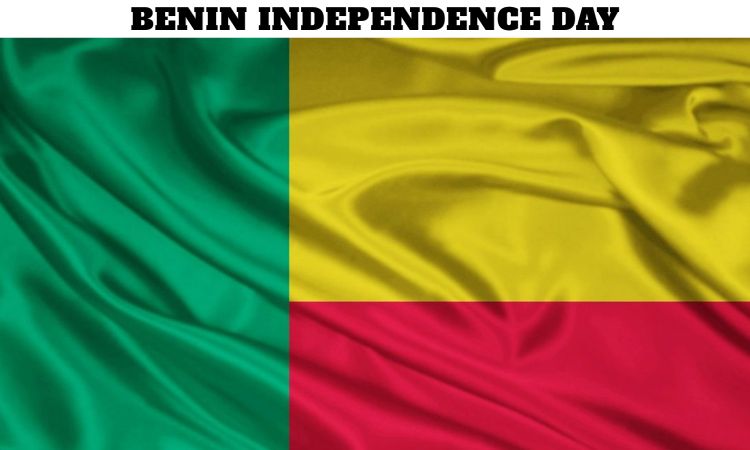
What Is Benin Independence Day?
Benin Independence Day is celebrated every year on August 1 to commemorate the country’s freedom from French colonial rule in 1960. It is the most important national holiday in Benin and symbolizes the nation’s sovereignty, unity, and determination to shape its own future. The day is marked by patriotic celebrations, military parades, cultural performances, official ceremonies, and community gatherings that bring people together to honor their shared history and achievements.
For the people of Benin, Independence Day is much more than a historical anniversary. It is a time to remember the sacrifices of those who fought for self-governance, celebrate the country’s rich cultural heritage, and reflect on the progress made since independence. Citizens proudly display the national flag, participate in public events, and celebrate the values of freedom, peace, and national unity.
Every year, August 1 serves as a reminder of the resilience of the Beninese people and their commitment to building a stronger and more prosperous nation. Schools, government institutions, businesses, and communities organize activities that educate younger generations about the country’s history while inspiring hope for the future.
Why Is Benin Independence Day Celebrated on August 1?
Benin Independence Day is celebrated on August 1 because it marks the day in 1960 when the country officially gained independence from France. Before independence, the nation was known as French Dahomey, one of several French colonies in West Africa administered under French colonial rule.
The journey toward independence was influenced by changing political movements across Africa after World War II. Many African territories sought greater political rights, self-government, and eventually complete independence. French Dahomey gradually received increased autonomy before achieving full independence on August 1, 1960.
The transition to independence represented a turning point in the nation’s history. It allowed the people of Benin to establish their own government, create national institutions, and determine their political, social, and economic future without direct colonial administration.
The annual celebration reminds citizens of the importance of preserving the freedom earned through peaceful political progress and national determination.
How Did Benin Gain Independence?
The road to independence was largely characterized by political negotiations and constitutional reforms rather than prolonged armed conflict. During the 1950s, nationalist leaders advocated for greater representation and self-rule within the French colonial system. As decolonization gained momentum throughout Africa, France gradually transferred more administrative responsibilities to local governments.
French Dahomey became an autonomous republic within the French Community in 1958 before achieving complete independence two years later. On August 1, 1960, the nation officially became an independent country with Hubert Maga serving as its first president.
Although the early years after independence were marked by political instability and several changes in government, Benin eventually developed a stable democratic system. Today, the country is recognized as one of West Africa’s more stable democracies, reflecting decades of political development and institutional growth.
The peaceful transition to independence remains an important source of national pride and continues to inspire the country’s democratic values.
Why Was the Country Previously Called Dahomey?
Before adopting the name Benin, the country was officially known as the Republic of Dahomey. The name originated from the historic Kingdom of Dahomey, one of West Africa’s most influential kingdoms between the 17th and 19th centuries.
The Kingdom of Dahomey was known for its organized government, military strength, and thriving trade networks. It also became famous for the Agojie, an elite all-female military regiment that has attracted worldwide historical interest.
In 1975, the country changed its official name from Dahomey to the Republic of Benin. The new name was chosen because it was considered more geographically neutral and representative of all ethnic groups within the country. It was derived from the Bight of Benin, the large bay along the country’s southern coastline.
Today, the name Benin reflects the nation’s commitment to inclusiveness and national unity while honoring its diverse cultural heritage.
What Is the Historical Importance of Benin Independence Day?
Benin Independence Day marks the beginning of national self-determination and the end of colonial administration. It represents the moment when the people gained the authority to establish their own government, develop national policies, and define their future according to their own aspirations.
The holiday also serves as an opportunity to reflect on the country’s achievements in education, healthcare, infrastructure, democratic governance, and economic development. While challenges remain, Independence Day encourages citizens to appreciate the progress that has been made over the decades.
The celebration reinforces national identity and reminds younger generations that freedom comes with responsibilities, including active citizenship, respect for democratic institutions, and commitment to national development.
For many families, Independence Day is also a time to discuss the country’s history, honor previous generations, and inspire children to contribute positively to society.
How Do People Celebrate Benin Independence Day?
Across Benin, Independence Day is celebrated with enthusiasm and national pride. Government officials organize official ceremonies attended by political leaders, diplomats, military personnel, and citizens. These events often include speeches highlighting national achievements and outlining future development goals.
Military parades are among the most anticipated features of the celebrations. Soldiers, police officers, and other security forces march in formation while displaying discipline and professionalism. These parades symbolize the nation’s commitment to protecting its sovereignty and maintaining peace.
Cultural festivals showcase Benin’s remarkable diversity through traditional music, dance performances, storytelling, drumming, and colorful costumes. Artists and performers present customs that have been preserved for generations, allowing visitors and younger citizens to appreciate the country’s rich traditions.
Communities also organize sporting events, concerts, educational programs, exhibitions, and local festivals. Families gather for meals, children participate in school activities, and neighborhoods host celebrations that strengthen social bonds.
Fireworks and evening entertainment conclude many Independence Day festivities, creating a joyful atmosphere throughout the country.
What Makes Benin’s Culture Special During Independence Day?
Benin is home to more than forty ethnic groups, each contributing unique customs, languages, music, dances, and artistic traditions. Independence Day provides an opportunity to celebrate this extraordinary cultural diversity while emphasizing national unity.
Traditional drumming plays an important role during many celebrations. The rhythmic performances accompany dances that tell stories about history, community values, and cultural identity. Musicians perform using instruments that have been passed down through generations.
Traditional clothing also becomes especially prominent during Independence Day events. Brightly colored fabrics, embroidered garments, and handcrafted accessories reflect the country’s artistic creativity and regional identities.
Food is another central element of the celebrations. Families prepare traditional dishes featuring maize, yams, cassava, rice, beans, vegetables, fish, and local spices. Sharing meals strengthens family relationships and community connections while preserving culinary traditions.
The celebration demonstrates how cultural diversity can unite people through shared national pride.
What Are Some Interesting Facts About Benin Independence Day?
Benin Independence Day is filled with historical and cultural significance. The country gained independence on August 1, 1960, after decades of French colonial administration. Before 1975, Benin was officially known as Dahomey.
The capital city of Porto-Novo hosts many official Independence Day ceremonies, although Cotonou serves as the country’s largest city and economic center.
Benin is widely regarded as the birthplace of Vodun, a traditional religion that has influenced spiritual practices throughout the world. During Independence Day, traditional cultural expressions often highlight the nation’s spiritual and historical heritage.
The country is also famous for the historic Royal Palaces of Abomey, a UNESCO World Heritage Site that preserves the legacy of the Kingdom of Dahomey. These palaces remain important symbols of Benin’s rich history and cultural identity.
Benin has become recognized internationally for its peaceful democratic transitions and commitment to constitutional governance, making Independence Day a celebration of both historical freedom and modern democratic values.
Why Does Benin Independence Day Continue to Matter Today?
Although independence was achieved more than six decades ago, the holiday remains highly relevant. It provides an annual opportunity to reflect on national progress while acknowledging the work still needed to improve education, healthcare, infrastructure, environmental sustainability, and economic opportunity.
The celebration encourages unity among diverse communities and reminds citizens that national development depends on cooperation, innovation, and responsible leadership.
Young people are especially encouraged to understand the country’s history so they can contribute to building a stronger future. Educational programs organized around Independence Day teach students about democratic values, civic responsibility, and respect for cultural diversity.
The holiday also strengthens Benin’s international identity by showcasing its traditions, achievements, and commitment to peace and cooperation with neighboring countries and the global community.
As each August 1 arrives, Benin Independence Day continues to inspire hope, pride, and optimism for future generations.
How Can People Around the World Observe Benin Independence Day?
People outside Benin can celebrate the occasion by learning about the country’s fascinating history, diverse cultures, and remarkable traditions. Reading about the Kingdom of Dahomey, exploring Beninese art, listening to traditional music, and preparing authentic West African cuisine are meaningful ways to recognize the holiday.
Educational institutions can organize discussions about African independence movements and the broader history of decolonization. Museums, cultural organizations, and international communities may also host exhibitions or cultural events highlighting Benin’s heritage.
Travelers interested in African history often choose to visit Benin to experience its historic landmarks, vibrant markets, museums, royal palaces, and cultural festivals. Such experiences promote greater understanding and appreciation of one of West Africa’s most historically significant nations.
Ultimately, Benin Independence Day is a celebration of freedom, resilience, cultural pride, and national unity. It reminds people everywhere of the universal importance of self-determination, peaceful progress, and preserving cultural heritage for future generations.
Benin Independence Day, observed every year on August 1, commemorates the country’s historic achievement of independence from French colonial rule in 1960. It stands as a powerful symbol of freedom, national unity, and cultural pride. Through military parades, traditional performances, educational events, and community celebrations, the people of Benin honor their past while looking confidently toward the future. The holiday not only remembers the nation’s journey to sovereignty but also inspires continued progress, democratic values, and appreciation for Benin’s rich cultural heritage.
Frequently Asked Questions (FAQs)
1. When is Benin Independence Day celebrated?
Benin Independence Day is celebrated every year on August 1.
2. What does Benin Independence Day commemorate?
It commemorates Benin’s independence from French colonial rule on August 1, 1960.
3. What was Benin called before independence?
Before independence, the country was known as French Dahomey, and after independence it remained the Republic of Dahomey until 1975.
4. Why did Dahomey change its name to Benin?
The name was changed in 1975 to better represent the country’s diverse ethnic groups and national identity.
5. How do people celebrate Benin Independence Day?
Celebrations include military parades, cultural performances, official ceremonies, concerts, community events, and family gatherings.
6. Is Benin Independence Day a public holiday?
Yes, it is a national public holiday observed throughout the country.
7. Who was Benin’s first president after independence?
Hubert Maga became the first president following independence in 1960.
8. What is the significance of August 1 for Benin?
It marks the beginning of Benin’s sovereignty as an independent nation.
9. What cultural traditions are showcased during the celebrations?
Traditional music, dance, drumming, local cuisine, colorful clothing, and artistic performances are commonly featured.
10. Why is Benin Independence Day important today?
It promotes national unity, honors the country’s history, celebrates democratic progress, and inspires future generations.