
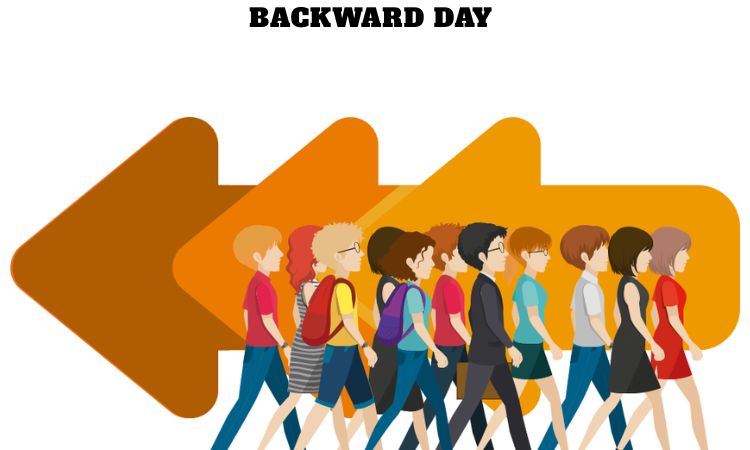
Every year on January 31, people across the world celebrate Backward Day, a light-hearted and creative observance that encourages us to flip our routines, rethink habits, and see the world from a different perspective. On this unique day, doing things backward isn’t a mistake—it’s the whole point. From wearing clothes inside out to starting the day with dessert, Backward Day is all about breaking patterns, challenging norms, and having fun while doing so.
Backward Day may not be an official public holiday, but its charm lies in its simplicity and universal appeal. Anyone, anywhere, can participate without rules, pressure, or preparation. More than just a quirky celebration, Backward Day reminds us that sometimes, looking at life in reverse can offer surprising insights.
What Is Backward Day?
Backward Day, observed annually on January 31, is a fun and informal holiday that encourages people to do ordinary activities in reverse or unconventional ways. The idea is to intentionally break from routine and experience the familiar from a new angle.
On Backward Day, you might:
Read a book from the last page to the first
Wear your clothes backward or inside out
Say goodbye instead of hello
Eat dessert before dinner
Walk backward carefully (and safely!)
Write or speak sentences in reverse
There are no strict rules—only creativity and humor. The goal is to enjoy the novelty and embrace the unexpected.
History and Origin of Backward Day
The exact origin of Backward Day is unclear, and that mystery only adds to its playful nature. Like many fun observances, it likely started as a novelty celebration in schools or communities, where teachers and students enjoyed reversing classroom routines for a day.
Backward Day gained popularity over time through word of mouth, calendars of “fun holidays,” and eventually social media. Its placement on January 31—the very end of the first month of the year—feels symbolic, as if inviting us to pause, reflect, and maybe rethink how the year has begun.
Though unofficial, Backward Day has become a favorite among children, teachers, offices, and families because it promotes creativity, laughter, and flexibility.
Why Do We Celebrate Backward Day?
Backward Day may seem silly at first glance, but it carries meaningful lessons beneath the fun.
1. Encourages Creative Thinking
When we reverse routines, our brains are forced out of autopilot. Simple actions suddenly require thought, which boosts creativity and problem-solving skills.
2. Breaks Monotony
Daily routines can become repetitive. Backward Day adds excitement to an otherwise ordinary day, making it memorable and refreshing.
3. Promotes Humor and Joy
Laughter is central to Backward Day. Whether it’s wearing clothes backward or greeting people in reverse, the day creates shared moments of amusement.
4. Teaches Flexibility
Not everything goes as planned when things are done backward. This helps build adaptability and patience—important life skills.
5. Encourages Perspective Shift
Backward Day symbolically reminds us that there’s more than one way to approach a problem. Sometimes, reversing our thinking leads to better solutions.
How to Celebrate Backward Day?
There’s no “right” way to celebrate Backward Day, but here are some popular and creative ideas for individuals, families, schools, and workplaces.
Backward Day at Home
Start your day at night by stargazing first
Eat dinner food for breakfast and breakfast food for dinner
Watch a movie from the ending to the beginning
Set your daily to-do list in reverse order
Backward Day at School
Teachers can teach lessons starting with conclusions
Students can write their names backward
Wear backpacks on the front (safely)
Reverse classroom seating arrangements
Backward Day is especially popular in schools because it encourages playful learning and student engagement.
Backward Day at Work
Begin meetings with closing remarks
Reverse the order of agenda items
Dress in reverse colors or backward outfits
End emails with greetings and start with sign-offs
Workplace celebrations should remain professional but fun, adding a sense of team bonding.
Backward Day on Social Media
Post photos upside down or backward
Write captions in reverse order
Share “before” photos as “after”
Use hashtags like #BackwardDay or #January31
Fun Facts About Backward Day
Backward Day is also sometimes called National Backward Day
Children enjoy the day most because it turns “rules” upside down
Some people celebrate by speaking only in opposites
January 31 is chosen because it’s the “last” day of the month—symbolically backward
The holiday has no official founder, making it open to interpretation
Psychological Benefits of Doing Things Backward
Beyond fun, Backward Day can positively affect mental well-being.
Boosts Brain Activity
Reversing habits forces the brain to think consciously instead of relying on routine memory, improving cognitive flexibility.
Reduces Stress
Humor and play reduce stress hormones and encourage relaxation.
Encourages Mindfulness
When you do things differently, you become more aware of your actions, promoting mindfulness.
Builds Emotional Resilience
Learning to laugh at mistakes and confusion builds resilience and emotional balance.
Backward Day and Life Lessons
Backward Day can be seen as a metaphor for life itself.
Sometimes, we must look at the end goal first to understand the journey
Mistakes can become lessons when viewed in reverse
Slowing down and rethinking decisions can prevent burnout
Growth often comes from discomfort and change
By intentionally stepping out of our comfort zone, even for one day, we learn to appreciate flexibility and creativity.
Backward Day Quotes and Sayings
Here are a few fun and thoughtful sayings perfect for Backward Day:
“Sometimes you have to go backward to move forward.”
“If everything feels wrong, try doing it backward.”
“Life makes more sense when you laugh at it.”
“Backward thinking can lead to forward progress.”
These quotes reflect the playful yet thoughtful spirit of the day.
Backward Day for Kids
Backward Day is especially enjoyable for children. It encourages imagination, rule-breaking in a safe way, and joyful learning.
Activities for kids include:
Writing words backward
Wearing clothes inside out
Drawing pictures upside down
Playing games with reversed rules
Parents and teachers often use Backward Day to make learning fun while teaching flexibility and creativity.
Common Mistakes to Avoid on Backward Day
While celebrating, it’s important to keep things safe and respectful.
Avoid unsafe physical activities like running backward
Don’t break important rules or responsibilities
Keep jokes kind and inclusive
Make sure reversed actions don’t disrupt others negatively
Backward Day is about fun, not chaos.
Why Backward Day Matters in Today’s World?
In a fast-paced, goal-driven world, Backward Day reminds us to pause and play. It challenges the idea that everything must be productive or serious. Instead, it celebrates curiosity, humor, and imagination.
In workplaces, schools, and homes, Backward Day helps people reconnect through shared laughter. In a digital age dominated by routines and screens, a simple backward celebration can bring genuine human connection.
Conclusion
Backward Day is more than a quirky celebration—it’s a reminder that life doesn’t always have to be linear or predictable. By reversing routines, questioning norms, and embracing humor, we open ourselves to creativity, learning, and joy.