

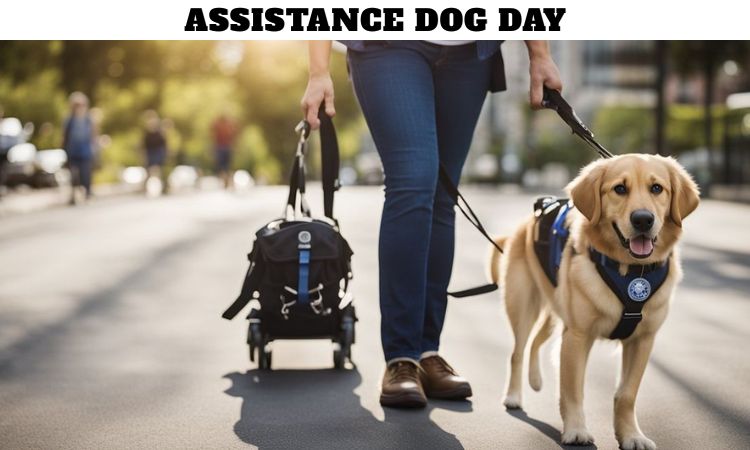
What Is Assistance Dog Day and Why Is It Celebrated on August 4?
Assistance Dog Day, observed every year on August 4, is dedicated to recognizing the incredible contribution of assistance dogs and the organizations, trainers, volunteers, and families who help these remarkable animals transform lives. Assistance dogs provide independence, confidence, safety, and emotional support to individuals living with disabilities. Their work extends far beyond companionship, as they perform specialized tasks that allow people to navigate daily life with greater freedom and dignity.
This special day raises awareness about the vital role assistance dogs play in society while encouraging communities to better understand the challenges faced by people with disabilities. Assistance dogs are carefully selected and professionally trained to perform life-changing tasks, making them invaluable partners rather than ordinary pets. They accompany their handlers in public places, workplaces, schools, transportation systems, and healthcare facilities, ensuring their owners can live as independently as possible.
Celebrating Assistance Dog Day also highlights the dedication required to breed, train, and match assistance dogs with suitable handlers. Behind every successful assistance dog is a team of trainers, veterinarians, volunteers, foster families, and nonprofit organizations working together to prepare these dogs for years of faithful service.
Why Are Assistance Dogs So Important?
Assistance dogs have an extraordinary ability to improve the quality of life for individuals with physical, sensory, psychiatric, and medical disabilities. These specially trained dogs perform tasks that help their handlers complete activities many people take for granted. Whether guiding someone through busy streets, retrieving dropped items, alerting to medical emergencies, or providing stability while walking, assistance dogs become reliable partners every day.
Their presence often reduces dependence on caregivers, allowing individuals to live independently, pursue education, maintain employment, and participate in community activities with greater confidence. Assistance dogs also provide emotional reassurance by reducing anxiety and increasing feelings of security during everyday situations.
Beyond their practical assistance, these dogs strengthen emotional well-being. Their constant companionship reduces loneliness, encourages social interaction, and helps individuals build confidence. Many handlers report experiencing improved mental health, greater self-esteem, and a stronger sense of independence after partnering with an assistance dog.
How Do Assistance Dogs Differ from Regular Pets?
Although assistance dogs share the loyalty and affection common to all dogs, they undergo rigorous professional training to perform specific tasks that directly support a person’s disability. Unlike family pets, assistance dogs remain focused while working in public environments filled with distractions.
These dogs learn advanced obedience, task-specific skills, and appropriate public behavior over months or even years of specialized training. They remain calm in crowded places, ignore food and distractions, respond immediately to commands, and consistently prioritize their handler’s safety.
Another major distinction is legal access. In many countries, qualified assistance dogs are permitted to accompany their handlers into public places where pets are generally not allowed. This access allows individuals with disabilities to participate fully in everyday life without unnecessary barriers.
What Types of Assistance Dogs Help People Every Day?
There are several categories of assistance dogs, each trained for unique responsibilities depending on the handler’s needs.
Guide dogs assist individuals who are blind or visually impaired by safely navigating obstacles, traffic, stairs, and public transportation.
Hearing dogs support people with hearing loss by alerting them to sounds such as doorbells, smoke alarms, crying babies, alarm clocks, or someone calling their name.
Mobility assistance dogs help individuals with physical disabilities by retrieving objects, opening doors, pressing elevator buttons, pulling wheelchairs, and providing balance support while walking.
Medical alert dogs are trained to recognize changes in a person’s medical condition. They may detect seizures, low blood sugar, changes in blood pressure, or other health emergencies before symptoms become severe.
Psychiatric service dogs assist individuals living with mental health conditions such as PTSD, anxiety disorders, depression, or panic disorders. They perform trained tasks including interrupting panic attacks, creating personal space, reminding handlers to take medication, or guiding them to safe locations during emotional distress.
Autism assistance dogs provide support to children and adults on the autism spectrum by improving safety, reducing anxiety, encouraging communication, and preventing wandering.
How Are Assistance Dogs Trained?
Training an assistance dog is a lengthy and highly specialized process. It often begins during puppyhood when dogs start learning basic obedience, socialization, and confidence-building exercises. Puppies are exposed to different environments, sounds, people, and transportation systems to prepare them for future work.
As they mature, dogs receive advanced task-specific instruction based on the disability they will support. Professional trainers evaluate temperament, intelligence, health, and willingness to work before selecting suitable candidates.
Training includes public access behavior, responding to commands under distractions, problem-solving, emergency response, and performing specialized tasks reliably. Only dogs that consistently demonstrate excellent behavior, confidence, and accuracy successfully complete assistance dog programs.
Even after placement, handlers continue working with trainers to strengthen the partnership and ensure the dog adapts effectively to its new home and daily routine.
What Is the History Behind Assistance Dog Day?
Assistance dogs have served people with disabilities for many decades. Formal guide dog programs began during the early twentieth century, particularly after World War I, when many veterans returned with vision loss. Organizations recognized that specially trained dogs could help individuals regain independence and confidence.
Over time, assistance dog programs expanded to support a wider variety of disabilities, including hearing impairments, mobility limitations, psychiatric conditions, autism, and medical disorders. Scientific understanding of canine intelligence and behavior further improved training techniques, allowing dogs to perform increasingly sophisticated tasks.
Assistance Dog Day was established to celebrate these remarkable partnerships while promoting education, accessibility, inclusion, and appreciation for assistance dogs and the professionals who dedicate their lives to training them.
How Can You Celebrate Assistance Dog Day?
There are many meaningful ways to observe Assistance Dog Day on August 4. Learning about the different roles assistance dogs perform is an excellent starting point. Understanding their responsibilities helps promote respect for working dogs and their handlers.
Supporting nonprofit organizations that breed and train assistance dogs can make a lasting impact. Donations help cover veterinary care, food, equipment, training, and handler education. Many organizations also welcome volunteers to assist with fundraising, puppy raising, or community outreach.
Sharing educational information through schools, workplaces, and community groups helps increase awareness about disability inclusion and proper etiquette around working dogs. Encouraging children to understand that assistance dogs should not be distracted while working helps protect both handlers and animals.
If you encounter an assistance dog in public, respecting the dog’s working role is one of the greatest ways to show appreciation. Avoid petting, feeding, calling, or distracting the dog without the handler’s permission.
What Etiquette Should Everyone Follow Around Assistance Dogs?
Understanding proper etiquette ensures assistance dogs can perform their responsibilities safely. Always address the handler rather than the dog when asking questions. Never assume permission to pet or interact with a working dog.
Avoid offering treats or toys, as these distractions can interfere with important tasks. Keep your own pets under control and maintain appropriate distance to prevent interruptions.
Do not block access routes or separate a handler from their assistance dog. If assistance is needed, ask the handler directly rather than attempting to guide or control the dog yourself.
Teaching these simple guidelines creates safer and more inclusive public spaces for everyone.
What Challenges Do Assistance Dog Teams Face?
Despite growing awareness, assistance dog handlers still encounter misunderstandings and accessibility barriers. Some businesses remain unfamiliar with laws regarding assistance dogs, leading to unnecessary access disputes.
Training an assistance dog is expensive and time-consuming. Many nonprofit organizations rely heavily on charitable donations because raising, training, and placing a single assistance dog can require significant financial investment.
Handlers may also experience unwanted attention, intrusive questions, or attempts by strangers to distract their working dogs. Public education remains essential to reducing these challenges and promoting respectful interactions.
Additionally, fraudulent representation of untrained pets as assistance dogs creates confusion and can negatively affect legitimate assistance dog teams by undermining public trust.
Why Does Assistance Dog Day Continue to Matter Today?
Assistance Dog Day reminds society that independence often comes through partnership. These remarkable dogs help individuals overcome barriers that might otherwise limit education, employment, travel, healthcare access, and community participation.
Their dedication reflects years of careful training, unwavering loyalty, and remarkable intelligence. Equally important are the countless volunteers, trainers, veterinarians, donors, and organizations who make these partnerships possible.
By celebrating Assistance Dog Day every August 4, communities recognize not only the dogs themselves but also the values of inclusion, accessibility, compassion, and equal opportunity. Continued awareness encourages greater acceptance of assistance dog teams while inspiring future generations to support programs that change lives every day.
Frequently Asked Questions (FAQs)
1. When is Assistance Dog Day celebrated?
Assistance Dog Day is observed annually on August 4.
2. What is the purpose of Assistance Dog Day?
It honors assistance dogs, raises awareness about their work, and promotes inclusion for people with disabilities.
3. What is an assistance dog?
An assistance dog is specially trained to perform specific tasks that help a person with a disability live more independently.
4. Are assistance dogs different from therapy dogs?
Yes. Assistance dogs perform disability-related tasks for one handler, while therapy dogs provide comfort to multiple people in settings like hospitals and schools.
5. What types of assistance dogs exist?
Common types include guide dogs, hearing dogs, mobility assistance dogs, medical alert dogs, psychiatric service dogs, and autism assistance dogs.
6. Can anyone pet an assistance dog?
No. You should always ask the handler for permission because distracting a working dog can interfere with its duties.
7. How long does it take to train an assistance dog?
Training typically takes between 18 months and 2 years, depending on the dog’s role and abilities.
8. Are assistance dogs allowed in public places?
In many countries, qualified assistance dogs are permitted to accompany their handlers into most public places.
9. How can I support assistance dog organizations?
You can donate, volunteer, foster puppies, participate in fundraising events, or help spread awareness.
10. Why are assistance dogs important?
They increase independence, improve safety, enhance confidence, and help individuals with disabilities participate more fully in everyday life.