

What Is Ascension Day and Why Is It Celebrated?
Ascension Day is an important Christian observance that commemorates the ascension of Jesus Christ into heaven following His resurrection from the dead. The event is described in the New Testament of the Bible, particularly in the books of Acts and Luke. According to Christian belief, Jesus ascended into heaven forty days after Easter Sunday in the presence of His disciples.
Ascension Day is celebrated on a Thursday because it falls exactly forty days after Easter. The date changes each year depending on the Easter calendar, and in some years it falls close to May 14. The observance holds deep spiritual significance for Christians around the world because it marks the completion of Jesus Christ’s earthly ministry and His return to heaven.
The day is recognized by many Christian denominations, including Roman Catholic, Protestant, Anglican, and Orthodox churches. Special church services, prayers, hymns, and community gatherings are commonly held to honor the occasion.
Ascension Day reminds believers of themes such as faith, hope, salvation, and the promise of eternal life.
What Happened During the Ascension of Jesus Christ?
According to Christian teachings, Jesus Christ appeared to His disciples for forty days after His resurrection on Easter Sunday. During this period, He taught them about the Kingdom of God and prepared them for their future mission of spreading His teachings.
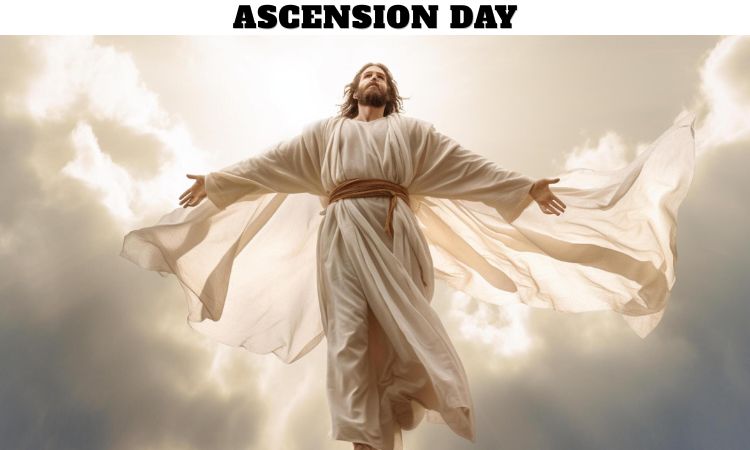
The ascension took place on the Mount of Olives near Jerusalem. The Bible states that Jesus blessed His disciples and was then lifted into heaven while they watched. The event symbolized His return to God the Father and His exaltation in heaven.
The ascension is described in the Book of Acts: “He was taken up before their very eyes, and a cloud hid him from their sight.”
This moment became one of the foundational events of Christian belief because it affirmed the divine nature of Jesus and His continuing spiritual presence.
Why Is Ascension Day Important in Christianity?
Ascension Day is important because it represents the fulfillment of Jesus Christ’s earthly mission and the beginning of a new spiritual era for believers.
The observance carries several key meanings in Christian theology:
- Jesus’ return to heaven
- The completion of salvation history
- The glorification of Christ
- The promise of eternal life
- Preparation for Pentecost
Christians believe the ascension demonstrates that Jesus reigns with God and continues to guide believers spiritually.
The event also reassures Christians that earthly life is connected to eternal hope and divine purpose. Ascension Day serves as a reminder of faith, devotion, and spiritual commitment.
How Is Ascension Day Celebrated Around the World?
Ascension Day is celebrated differently across countries and Christian traditions, but church worship remains central to the observance.
Common Ascension Day traditions include:
- Special church services
- Prayer gatherings
- Singing hymns
- Reading Bible passages about the ascension
- Community meals
- Religious processions
In some European countries, Ascension Day is recognized as a public holiday, and businesses and schools may close for the day.
Churches are often decorated with candles, flowers, and white cloth symbolizing purity and resurrection. Some congregations also organize outdoor services and spiritual retreats.
The observance brings communities together in worship and reflection.
What Does the Bible Say About Ascension Day?
The ascension of Jesus is recorded in several parts of the New Testament, especially in:
- Acts 1:1–11
- Luke 24:50–53
- Mark 16:19
These passages describe how Jesus instructed His disciples before ascending into heaven.
The Bible teaches that after ascending, Jesus took His place at the right hand of God. Christians interpret this as a sign of authority, glory, and divine power.
The biblical account also includes angels telling the disciples that Jesus would one day return in the same way He ascended.
These scriptures form the foundation of Ascension Day celebrations and theological teachings.
Why Does Ascension Day Occur Forty Days After Easter?
Ascension Day occurs forty days after Easter because the Bible states that Jesus remained with His disciples for forty days following His resurrection.
The number forty holds symbolic importance throughout the Bible and often represents preparation, transformation, and spiritual testing.
Examples include:
- Forty days of rain during Noah’s flood
- Forty years of Israel’s journey in the wilderness
- Forty days of Moses on Mount Sinai
- Forty days of Jesus fasting in the desert
The forty-day period between Easter and Ascension Day symbolizes spiritual teaching and preparation before Jesus’ return to heaven.
This timeline also connects Ascension Day closely to Pentecost, which occurs ten days later.
How Is Ascension Day Connected to Pentecost?
Ascension Day and Pentecost are closely linked in the Christian calendar. After Jesus ascended into heaven, He promised His disciples that the Holy Spirit would come to guide and strengthen them.
Ten days after Ascension Day, Christians celebrate Pentecost, which commemorates the arrival of the Holy Spirit upon the disciples.
The period between the two observances is often seen as a time of prayer, waiting, and spiritual preparation.
Together, these events represent:
- The ascension of Christ
- The empowerment of believers
- The beginning of the Christian Church’s mission
Ascension Day prepares Christians for the celebration of Pentecost and the continuation of Christ’s teachings through His followers.
What Are Common Ascension Day Traditions in Different Countries?
Ascension Day traditions vary greatly around the world depending on local customs and church practices.
Some common international traditions include:
- Processions and outdoor worship in Europe
- Church bell ringing
- Community feasts
- Religious pilgrimages
- Family gatherings
- Special holiday meals
In countries such as Germany, Denmark, Norway, and the Netherlands, Ascension Day is a national holiday.
Certain churches hold symbolic ceremonies representing Christ’s ascension into heaven. Some traditions include raising candles or banners toward the ceiling of the church.
These customs reflect the joy and spiritual significance associated with the observance.
How Does Ascension Day Inspire Faith and Hope?
Ascension Day inspires Christians by emphasizing themes of hope, spiritual victory, and eternal life. The observance reminds believers that Jesus overcame death and returned to divine glory.
Many Christians view the ascension as proof that faith extends beyond earthly existence and points toward eternal salvation.
The day encourages believers to:
- Strengthen spiritual commitment
- Trust in God’s guidance
- Continue acts of kindness and service
- Reflect on personal faith
Ascension Day also reassures Christians that they are not alone spiritually because Christ continues to guide believers through faith and the Holy Spirit.
Its message remains meaningful during times of uncertainty and personal struggle.
Why Is Ascension Day Still Relevant in Modern Times?
Ascension Day continues to hold relevance because its spiritual themes remain important in modern life. In a fast-paced and often stressful world, the observance offers an opportunity for reflection, prayer, and renewed faith.
The celebration encourages people to focus on values such as:
- Hope
- Compassion
- Unity
- Spiritual growth
- Service to others
Many churches use Ascension Day to discuss the importance of community support, ethical living, and maintaining spiritual purpose in daily life.
The observance also preserves centuries of Christian history and tradition, connecting modern believers to the foundations of their faith.
How Can People Observe Ascension Day Meaningfully?
People can observe Ascension Day in meaningful ways through worship, reflection, and acts of kindness.
Common ways to honor the day include:
- Attending church services
- Reading biblical passages about the ascension
- Spending time in prayer
- Helping those in need
- Participating in community activities
- Reflecting on spiritual goals
Families may also discuss the significance of the ascension and teach younger generations about Christian traditions.
For many believers, Ascension Day is not only a celebration of Christ’s return to heaven but also an opportunity to renew faith and deepen spiritual understanding.
Why Does Ascension Day Continue to Be Celebrated Worldwide?
Ascension Day continues to be celebrated worldwide because it represents one of the most important events in Christian belief. The observance connects resurrection, salvation, and the promise of eternal life.
Its message of hope and spiritual triumph resonates across generations and cultures. Churches and Christian communities continue preserving the traditions associated with the day because they strengthen faith and encourage reflection.
Ascension Day also reminds believers of their spiritual responsibilities and the teachings of Jesus Christ. The observance encourages unity, worship, and gratitude while pointing toward the future hope symbolized by Pentecost and eternal salvation.
As Christianity remains one of the world’s largest religions, Ascension Day continues to hold deep religious and cultural significance around the globe.
Frequently Asked Questions (FAQs)
1. What is Ascension Day?
Ascension Day is a Christian observance commemorating Jesus Christ’s ascension into heaven.
2. When is Ascension Day celebrated?
Ascension Day is celebrated forty days after Easter Sunday, usually on a Thursday.
3. Why is Ascension Day important?
It marks the completion of Jesus Christ’s earthly ministry and His return to heaven.
4. Where in the Bible is the ascension described?
The ascension is described in Acts 1:1–11, Luke 24:50–53, and Mark 16:19.
5. How do Christians celebrate Ascension Day?
Christians celebrate with church services, prayers, hymns, and community gatherings.
6. Why does Ascension Day occur forty days after Easter?
The Bible states that Jesus remained with His disciples for forty days after His resurrection.
7. Is Ascension Day a public holiday?
In some countries, including parts of Europe, Ascension Day is recognized as a public holiday.
8. How is Ascension Day connected to Pentecost?
Pentecost occurs ten days after Ascension Day and celebrates the coming of the Holy Spirit.
9. What themes are associated with Ascension Day?
Themes include hope, salvation, spiritual victory, and eternal life.
10. Why is Ascension Day still relevant today?
The observance continues inspiring faith, reflection, and spiritual growth among Christians worldwide.