

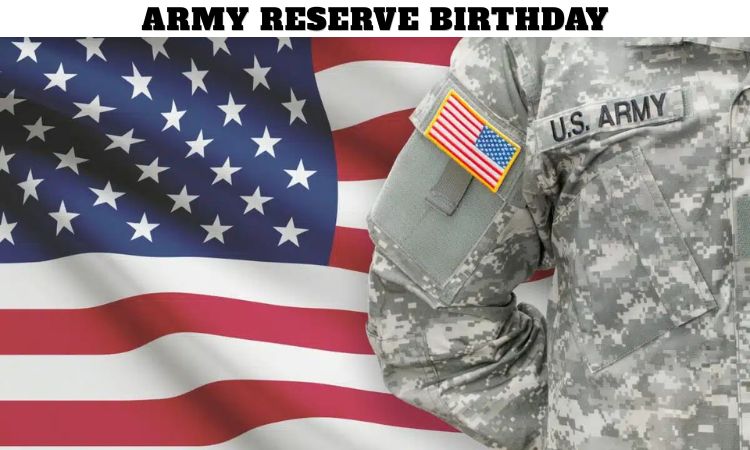
What Is the Army Reserve Birthday and Why Is It Celebrated on April 23?
The Army Reserve Birthday, observed annually on April 23, marks the establishment of the United States Army Reserve in 1908. This day honors the dedication, service, and sacrifices of the men and women who serve as citizen-soldiers, balancing civilian careers while being ready to serve their nation whenever called upon.
We recognize this day as a tribute to a force that has consistently strengthened national defense through flexibility, readiness, and resilience. The Army Reserve serves as a critical component of military operations, supporting both domestic missions and global deployments.
How Did the Army Reserve Begin in 1908?
The roots of the Army Reserve trace back to the passage of the Medical Reserve Corps Act of 1908, which officially created a federal reserve force of medical professionals. This initiative addressed the need for a trained and ready pool of individuals who could be mobilized during emergencies or wartime.
Over time, this corps expanded beyond medical personnel, evolving into a comprehensive reserve force encompassing a wide range of specialties. Today, the Army Reserve includes engineers, logisticians, intelligence experts, healthcare professionals, and more.
What Role Does the Army Reserve Play in National Defense?
The Army Reserve plays a vital role in ensuring national security and operational readiness. We see its responsibilities extending across multiple domains:
- Combat Support and Combat Service Support
- Disaster Response and Humanitarian Aid
- Medical and Engineering Assistance
- Cybersecurity and Intelligence Operations
Unlike active-duty forces, reservists maintain civilian jobs while training periodically. This dual role allows the Army Reserve to bring diverse skills and expertise into military operations, enhancing overall capability.
Why Are Citizen-Soldiers Essential to the Army Reserve?
Citizen-soldiers represent the backbone of the Army Reserve. These individuals bring unique value by combining civilian expertise with military discipline. Their contributions include:
- Providing specialized knowledge in fields such as healthcare, law, and engineering
- Strengthening community ties between the military and civilians
- Ensuring rapid mobilization during emergencies
We recognize that their ability to transition between civilian and military roles ensures a dynamic and adaptable force.
How Has the Army Reserve Evolved Over the Years?
The Army Reserve has undergone significant transformation since 1908. Key developments include:
- World Wars I and II Expansion: Rapid growth to support large-scale military operations
- Cold War Era: Strategic reserve readiness and deterrence
- Post-9/11 Operations: Increased deployments in global missions
- Modern Era: Integration of advanced technology and cyber capabilities
Today, the Army Reserve is an indispensable part of the Total Army, working seamlessly with active-duty and National Guard units.
What Are the Core Values of the Army Reserve?
The Army Reserve operates on a foundation of strong ethical and professional values. These include:
- Loyalty: Commitment to the nation and fellow soldiers
- Duty: Fulfilling responsibilities with dedication
- Respect: Honoring diversity and teamwork
- Selfless Service: Putting the mission and others first
- Honor and Integrity: Upholding moral principles
- Personal Courage: Facing challenges with strength and determination
These values guide every reservist in their service journey.
How Is the Army Reserve Birthday Celebrated?
Army Reserve Birthday celebrations are marked by formal ceremonies, recognition events, and community outreach programs. Common observances include:
- Military Parades and Ceremonies
- Award Presentations and Honors
- Educational Programs Highlighting Military History
- Community Engagement Activities
We use this occasion to acknowledge the sacrifices of reservists and to educate the public about their contributions.
What Is the Significance of the Army Reserve in Modern Times?
In today’s rapidly changing world, the Army Reserve remains highly relevant. Its significance lies in:
- Rapid Deployment Capability
- Cost-Effective Military Strength
- Support During Natural Disasters and Emergencies
- Technological and Cyber Warfare Readiness
The Army Reserve ensures that the nation is prepared for both traditional and emerging threats.
How Does One Join the Army Reserve?
Joining the Army Reserve involves a structured process designed to identify qualified and committed individuals. Key steps include:
- Meeting age, education, and physical requirements
- Completing basic training and specialized job training
- Committing to part-time service with periodic training obligations
Reservists typically serve one weekend a month and two weeks a year, while remaining ready for deployment when needed.
What Are the Benefits of Serving in the Army Reserve?
Service in the Army Reserve offers numerous advantages:
- Educational Benefits and Tuition Assistance
- Healthcare and Retirement Plans
- Skill Development and Career Advancement
- Leadership Training and Personal Growth
We emphasize that these benefits extend beyond military service, positively impacting civilian careers and personal development.
How Does the Army Reserve Support Communities?
The Army Reserve plays a crucial role in supporting local communities. Its contributions include:
- Disaster Relief Operations
- Medical Assistance Programs
- Infrastructure Development Projects
- Community Training and Preparedness Initiatives
Reservists often serve in their own communities, strengthening trust and cooperation between civilians and the military.
Frequently Asked Questions (FAQs)
1. What is the Army Reserve Birthday?
The Army Reserve Birthday commemorates the establishment of the Army Reserve on April 23, 1908.
2. Why is April 23 important for the Army Reserve?
April 23 marks the signing of legislation that created the Medical Reserve Corps, the foundation of the Army Reserve.
3. Who serves in the Army Reserve?
The Army Reserve consists of citizen-soldiers who balance civilian careers with military responsibilities.
4. What is the main role of the Army Reserve?
Its primary role is to provide trained units and individuals to support military operations and national emergencies.
5. How often do Army Reserve members train?
Reservists typically train one weekend per month and two weeks annually.
6. Can Army Reserve members be deployed overseas?
Yes, reservists can be deployed both domestically and internationally when required.
7. What benefits do Army Reserve members receive?
They receive education benefits, healthcare, retirement plans, and career training.
8. How is the Army Reserve different from active duty?
Active duty soldiers serve full-time, while reservists serve part-time but remain ready for mobilization.
9. What types of jobs are available in the Army Reserve?
Roles include medical, engineering, logistics, intelligence, and cybersecurity positions.
10. How can civilians support the Army Reserve?
Civilians can show support by participating in events, honoring service members, and promoting awareness.