

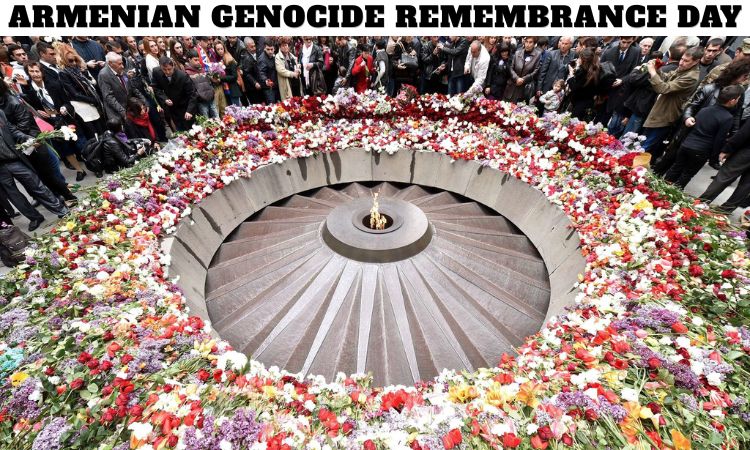
What Is Armenian Genocide Remembrance Day and Why Is It Observed on April 24?
Armenian Genocide Remembrance Day, observed annually on April 24, is a solemn day dedicated to honoring the memory of the 1.5 million Armenians who perished during the Armenian Genocide. This date marks the beginning of systematic arrests and executions of Armenian intellectuals and community leaders in 1915 under the rule of the Ottoman Empire.
We observe this day to remember the victims, acknowledge historical truth, and reinforce the global commitment to preventing genocide. It is a time of reflection, education, and remembrance for Armenians and the international community.
What Happened During the Armenian Genocide?
The Armenian Genocide refers to the mass deportation, forced marches, and systematic extermination of Armenians living in the Ottoman Empire during World War I. Beginning in 1915, Armenian populations were forcibly removed from their homes and subjected to extreme conditions, leading to widespread death.
We recognize that this tragedy involved:
- Mass killings and executions
- Forced displacement into deserts without resources
- Starvation, disease, and violence
- Destruction of cultural and religious heritage
This period remains one of the most tragic events in modern history, shaping the identity and memory of the Armenian people.
Why Is April 24 a Significant Date in Armenian History?
April 24 holds deep historical importance because it marks the arrest of hundreds of Armenian intellectuals and leaders in Constantinople (modern-day Istanbul). This event is widely regarded as the beginning of the genocide.
We observe that targeting community leaders was a strategic move to weaken resistance and dismantle Armenian society. The date has since become a symbol of remembrance and collective mourning.
How Is Armenian Genocide Remembrance Day Observed Worldwide?
Armenian Genocide Remembrance Day is observed globally with solemn ceremonies and acts of remembrance. Common observances include:
- Memorial services and candlelight vigils
- Processions to monuments and memorials
- Educational programs and lectures
- Moments of silence to honor victims
In Armenia, thousands gather at the Tsitsernakaberd Memorial in Yerevan to pay tribute. We emphasize that these observances are not only acts of remembrance but also calls for justice and recognition.
Why Is Recognition of the Armenian Genocide Important?
Recognition of the Armenian Genocide is essential for historical accuracy, justice, and the prevention of future atrocities. Acknowledging the truth ensures that:
- Victims are honored with dignity
- Survivors and descendants receive recognition
- Future generations learn from history
- Denial and misinformation are challenged
We stress that recognition is a critical step toward reconciliation and global awareness.
How Has the International Community Responded to the Armenian Genocide?
Over the years, many countries and organizations have officially recognized the Armenian Genocide. Institutions such as the United Nations and various national governments have acknowledged the events as genocide.
We observe that international recognition continues to grow, although debates and political sensitivities remain. This ongoing dialogue highlights the importance of historical accountability.
What Is the Cultural Impact of the Armenian Genocide?
The Armenian Genocide has had a profound impact on Armenian culture, identity, and diaspora communities worldwide. Its effects include:
- Formation of a global Armenian diaspora
- Preservation of traditions and language abroad
- Art, literature, and music reflecting historical memory
We recognize that cultural expression has become a powerful way to preserve history and honor those who were lost.
How Is the Armenian Genocide Taught in Education?
Education plays a vital role in ensuring that the Armenian Genocide is remembered and understood. Many schools and universities include it in history curricula, focusing on:
- Historical context and causes
- Human rights and genocide prevention
- Personal stories of survivors
We emphasize that education fosters awareness and helps prevent similar tragedies in the future.
What Lessons Can Be Learned from the Armenian Genocide?
The Armenian Genocide offers critical lessons about human rights, tolerance, and the consequences of hatred and discrimination. Key lessons include:
- The importance of early intervention in conflicts
- The dangers of nationalism and ethnic persecution
- The need for global cooperation in preventing genocide
We believe that remembering history is essential to building a more just and peaceful world.
How Can Individuals Honor Armenian Genocide Remembrance Day?
Individuals can honor this day through meaningful actions such as:
- Participating in memorial events
- Educating themselves and others about the genocide
- Supporting organizations that promote human rights
- Sharing stories and raising awareness
We encourage everyone to take part in remembrance efforts and contribute to a culture of understanding and respect.
Frequently Asked Questions (FAQs)
1. What is Armenian Genocide Remembrance Day?
It is a day observed on April 24 to honor the victims of the Armenian Genocide.
2. Why is April 24 significant?
It marks the arrest of Armenian intellectuals in 1915, considered the beginning of the genocide.
3. What was the Armenian Genocide?
It was the mass killing and deportation of Armenians in the Ottoman Empire during World War I.
4. How many people died in the Armenian Genocide?
Approximately 1.5 million Armenians lost their lives.
5. Who carried out the Armenian Genocide?
The genocide was carried out under the Ottoman Empire.
6. How is the day observed?
It is observed through memorials, vigils, and educational events.
7. Why is recognition important?
Recognition ensures historical truth and helps prevent future genocides.
8. Which countries recognize the Armenian Genocide?
Many countries and international organizations have officially recognized it.
9. What is the Armenian diaspora?
It refers to Armenian communities living outside Armenia due to displacement.
10. How can people support remembrance efforts?
By participating in events, educating others, and promoting awareness.