
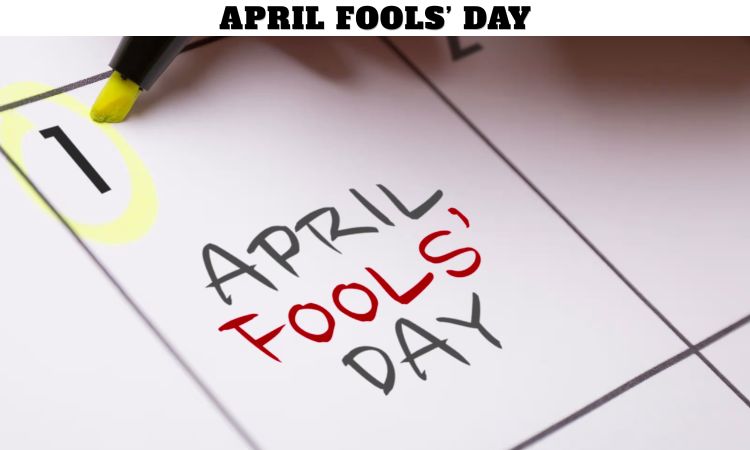
April Fools’ Day, celebrated every year on April 1, is one of the most lighthearted and globally recognized unofficial holidays. It is a day dedicated to pranks, jokes, hoaxes, and harmless deception, where individuals, brands, and even media organizations participate in playful trickery. We observe this day as an opportunity to embrace humor, creativity, and social bonding through laughter.
Unlike traditional holidays tied to religious or historical events, April Fools’ Day thrives on spontaneity and wit, making it a unique cultural phenomenon that continues to evolve with time, especially in the digital age.
The Origins and History of April Fools’ Day
The exact origins of April Fools’ Day remain uncertain, but several theories explain how the tradition began:
The Calendar Change Theory
One of the most widely accepted explanations traces back to 16th-century France, when the Gregorian calendar replaced the Julian calendar. Previously, the new year was celebrated around late March and early April. When the new year shifted to January 1, those who continued celebrating in April were mocked and called “April fools.”
Ancient Festivals of Mischief
Some historians link April Fools’ Day to ancient celebrations such as:
- Hilaria in ancient Rome, where people dressed in disguises and mocked others.
- Spring festivals celebrate renewal and unpredictability, often involving playful behavior.
European Spread
By the 18th century, April Fools’ Day had spread across Europe, gaining popularity in countries like Scotland and England. Scotland even extended the celebration into a two-day event involving elaborate pranks.
Why is April Fools’ Day celebrated?
We celebrate April Fools’ Day as a way to:
- Encourage laughter and joy
- Strengthen social connections
- Break the monotony of daily routines
- Showcase creativity and humor
The essence of the day lies in good-natured fun, where the goal is to entertain rather than offend.
Popular April Fools’ Day Traditions Around the World
United Kingdom
In the UK, pranks are typically played only until noon. Anyone attempting a prank after midday is considered the fool.
France
Known as “Poisson d’Avril” (April Fish), children tape paper fish to others’ backs as a joke.
Scotland
The celebration includes “Huntigowk Day,” where people are sent on ridiculous errands.
United States
Americans embrace large-scale pranks, often involving media hoaxes and corporate campaigns.
India
While not a traditional holiday, April Fools’ Day is widely celebrated among young people, especially in schools, offices, and online platforms.
Best April Fools’ Day Prank Ideas
Classic Pranks
- Fake announcements: Create a believable but humorous story.
- Switching items: Swap sugar with salt or labels on products.
- Alarm tricks: Set multiple alarms at odd times.
Office Pranks
- Keyboard shortcuts reversed
- Fake meeting invites
- Desk rearrangements
Digital Pranks
- Fake social media updates
- Auto-correct text replacements
- Fake app updates
Family-Friendly Pranks
- Coloring milk with food dye
- Fake insects
- Toothpaste-filled cookies
The key is to ensure all pranks are safe, respectful, and reversible.
Famous April Fools’ Day Hoaxes in History
BBC’s Spaghetti Tree (1957)
A documentary showed spaghetti growing on trees in Switzerland, fooling thousands of viewers.
Google’s Annual Pranks
Google is known for elaborate hoaxes like:
- Google Nose (smell search)
- Gmail Paper (printed emails)
Taco Liberty Bell (1996)
Taco Bell claimed it bought the Liberty Bell, causing widespread confusion.
Flying Penguins (2008)
BBC released a video showing penguins flying, which went viral globally.
These pranks highlight how media influence can amplify humor on a massive scale.
April Fools’ Day in the Digital Era
With the rise of social media, April Fools’ Day has transformed into a global digital event. Brands, influencers, and companies compete to create the most convincing and entertaining hoaxes.
Corporate Participation
Companies use April 1 as a marketing opportunity by launching:
- Fake product announcements
- Humorous campaigns
- Interactive content
Social Media Trends
Platforms like Instagram, Twitter, and Facebook become hubs for:
- Viral jokes
- Meme culture
- Interactive pranks
The digital era has made April Fools’ Day more engaging, creative, and widespread than ever before.
Guidelines for Responsible Pranking
While April Fools’ Day is about fun, we must ensure:
- No harm or distress is caused
- Avoid sensitive topics
- Respect personal boundaries
- Keep pranks lighthearted
The goal is to create laughter, not discomfort.
Creative Ways to Celebrate April Fools’ Day
We can celebrate April Fools’ Day in meaningful and fun ways:
- Organize a prank competition
- Share jokes with friends and family
- Create humorous content online
- Watch comedy shows or movies
- Participate in office or school activities
These activities help build positive connections and joyful memories.
Cultural Significance of April Fools’ Day
April Fools’ Day reflects:
- The importance of humor in human relationships
- Cultural acceptance of playfulness
- The value of laughter as a stress reliever
It serves as a reminder that life does not always have to be serious.
Conclusion
April Fools’ Day continues to be a beloved global tradition that celebrates humor, creativity, and human connection. From its mysterious origins to modern digital pranks, the day has evolved into a worldwide celebration of laughter. By embracing the spirit of fun while maintaining respect and responsibility, we can ensure that April Fools’ Day remains enjoyable for everyone.
Frequently Asked Questions (FAQs)
1. What is April Fools’ Day?
April Fools’ Day is an annual celebration on April 1 where people play harmless pranks and jokes on each other.
2. Why is April Fools’ Day celebrated?
It is celebrated to promote humor, laughter, and social bonding through playful tricks.
3. When did April Fools’ Day start?
Its origins date back to the 16th century, though the exact beginning is unclear.
4. Is April Fools’ Day a public holiday?
No, it is not an official public holiday in most countries.
5. What are common April Fools’ pranks?
Common pranks include fake announcements, practical jokes, and harmless tricks.
6. Can companies participate in April Fools’ Day?
Yes, many companies create humorous campaigns and fake product launches.
7. Is it okay to prank anyone?
Pranks should be safe, respectful, and not harmful or offensive.
8. What happens if a prank goes wrong?
It is important to apologize and ensure no harm is caused.
9. Do all countries celebrate April Fools’ Day?
Many countries celebrate it, but traditions vary across cultures.
10. How can I celebrate April Fools’ Day safely?
Stick to lighthearted jokes and avoid sensitive or risky pranks.