

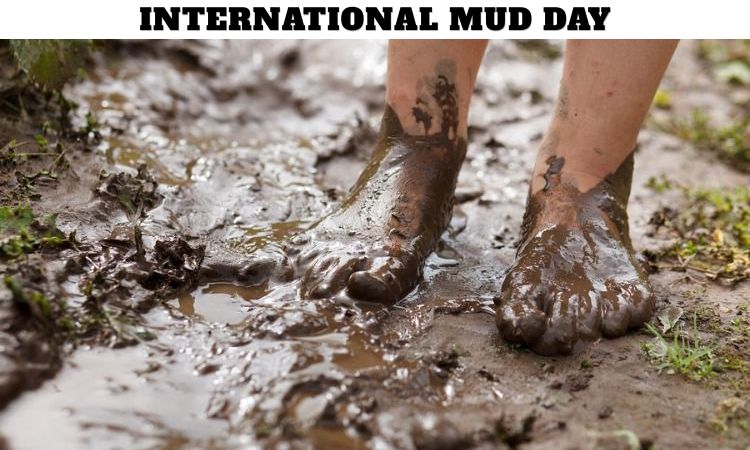
What Is International Mud Day and Why Is It Celebrated on June 29?
International Mud Day is celebrated annually on June 29 to encourage children and adults alike to reconnect with nature through the simple joy of playing in the mud. This unique global observance recognizes the importance of outdoor play, creativity, environmental awareness, and childhood exploration.
Unlike many traditional holidays, International Mud Day embraces messiness as an essential part of learning and development. The celebration promotes hands-on experiences that allow children to engage their senses, develop imagination, and build meaningful connections with the natural world.
Observed in numerous countries worldwide, International Mud Day has become a cherished occasion for schools, families, childcare centers, and communities to organize outdoor activities that encourage creativity, cooperation, and environmental appreciation.
The day serves as a reminder that some of childhood’s most valuable experiences can come from simple interactions with nature.
How Did International Mud Day Begin?
International Mud Day originated in 2009 through a collaboration between early childhood educators from Australia and Nepal.
The idea emerged during the World Forum on Early Care and Education, where educators discussed the role of outdoor play in child development. Participants recognized that children from different countries, cultures, and backgrounds all shared a universal love of playing in mud.
Inspired by this common experience, educators created International Mud Day to celebrate children’s natural curiosity and to encourage outdoor learning opportunities.
The inaugural celebration quickly gained international attention, and educational institutions around the world began adopting the observance. Since then, International Mud Day has evolved into a global movement promoting nature-based education and child-centered learning.
Today, thousands of schools, childcare organizations, and families participate annually, making it one of the most widely recognized celebrations of outdoor play.
Why Is Mud Play Important for Children?
Mud play offers numerous developmental benefits that contribute to children’s physical, emotional, cognitive, and social growth.
When children engage with mud, they participate in open-ended play that encourages creativity and exploration without rigid rules or predetermined outcomes.
Benefits of mud play include:
- Sensory development
- Enhanced creativity
- Improved problem-solving skills
- Strengthened fine motor skills
- Greater social interaction
- Increased self-confidence
- Emotional expression
- Scientific discovery opportunities
Children naturally experiment while playing in mud, learning concepts related to texture, consistency, measurement, and cause-and-effect relationships.
Outdoor mud play also encourages active movement and helps children develop a deeper appreciation for the environment.
International Mud Day highlights these developmental advantages while promoting healthy, nature-based experiences.
How Does Mud Play Support Early Childhood Education?
Many early childhood educators consider mud play an essential component of experiential learning.
Unlike structured classroom activities, mud play provides children with opportunities to direct their own learning experiences. This child-led approach supports curiosity, experimentation, and independent thinking.
Educational outcomes associated with mud play include:
- Language development
- Scientific inquiry
- Mathematical understanding
- Collaborative learning
- Creative expression
- Observation skills
For example, children building mud structures may naturally explore concepts involving balance, engineering, measurement, and teamwork.
Educators frequently incorporate mud kitchens, sensory stations, and outdoor learning environments into early childhood programs to support holistic development.
International Mud Day reinforces the importance of outdoor learning experiences in modern educational settings.
Why Is Outdoor Play Becoming Increasingly Important?
In today’s digital age, children often spend significant amounts of time indoors using electronic devices.
As screen time increases, opportunities for unstructured outdoor play may decrease. Researchers and educators emphasize the importance of balancing technology use with direct experiences in nature.
Outdoor play offers numerous advantages, including:
- Physical activity
- Stress reduction
- Improved mental well-being
- Greater environmental awareness
- Enhanced social skills
- Increased creativity
Natural environments stimulate children’s curiosity in ways that indoor settings cannot always replicate.
International Mud Day encourages families and educators to prioritize outdoor experiences and ensure children maintain meaningful connections with the natural world.
The celebration serves as a reminder that simple activities, such as digging, splashing, and building with mud, can provide lasting developmental benefits.
How Do Different Countries Celebrate International Mud Day?
International Mud Day is celebrated in diverse ways across the globe, reflecting local traditions, climates, and educational practices.
Common activities include:
- Mud kitchens
- Mud sculpture contests
- Nature exploration walks
- Obstacle courses
- Mud painting sessions
- Sensory play activities
- Community outdoor events
- Gardening projects
Schools and childcare centers often organize special outdoor programs where children are encouraged to create, explore, and collaborate using natural materials.
In some regions, celebrations incorporate cultural traditions related to nature, agriculture, or environmental stewardship.
Despite differences in activities, the underlying purpose remains consistent: fostering joyful interactions with nature through mud play.
The universal appeal of mud transcends geographic, cultural, and socioeconomic boundaries.
What Is a Mud Kitchen and Why Is It Popular?
A mud kitchen is an outdoor play space designed to encourage imaginative and sensory play using mud, water, leaves, stones, and other natural materials.
Typically equipped with old pots, pans, utensils, containers, and work surfaces, mud kitchens allow children to engage in pretend cooking and creative experimentation.
Mud kitchens have become increasingly popular because they promote:
- Imaginative play
- Role-playing
- Collaboration
- Sensory exploration
- Language development
- Problem-solving
Children may create imaginary recipes, mix natural ingredients, and invent stories while playing.
Because mud kitchens involve open-ended materials, there are no right or wrong outcomes, allowing children to freely express creativity and curiosity.
Many schools and families establish permanent mud kitchens as part of outdoor learning environments.
International Mud Day often features mud kitchen activities as central celebration events.
How Does Playing in Mud Benefit Physical Development?
Mud play contributes significantly to children’s physical growth and development.
Manipulating mud requires children to use various muscle groups while digging, scooping, pouring, mixing, and molding.
Physical benefits include:
- Improved hand strength
- Enhanced coordination
- Better balance
- Fine motor skill development
- Gross motor skill enhancement
- Increased physical activity
Activities such as carrying buckets of water, jumping in puddles, or constructing mud structures encourage active movement and support overall fitness.
Sensory experiences associated with touching wet, dry, sticky, or textured materials also contribute to neurological development.
International Mud Day celebrates these physical benefits while encouraging active outdoor lifestyles.
Can Mud Play Support Environmental Awareness?
Yes, mud play often serves as an introduction to environmental education.
As children interact with soil, water, plants, insects, and weather conditions, they develop greater awareness of natural systems and ecological relationships.
Mud-based activities frequently inspire questions about:
- Soil composition
- Plant growth
- Water cycles
- Insects and wildlife
- Weather patterns
- Conservation
Hands-on experiences foster appreciation for nature and encourage responsible environmental stewardship from an early age.
Educators frequently use International Mud Day to introduce broader discussions about sustainability, biodiversity, and caring for natural environments.
By exploring nature directly, children develop meaningful connections that can influence lifelong environmental attitudes.
How Can Families Celebrate International Mud Day at Home?
Families can celebrate International Mud Day using simple, inexpensive activities that encourage outdoor exploration.
Popular family activities include:
- Building mud pies
- Creating mud art
- Making nature sculptures
- Constructing miniature mud villages
- Designing obstacle courses
- Planting gardens
- Exploring local parks
- Playing in puddles
- Hosting outdoor picnics
- Creating backyard mud kitchens
Parents are encouraged to focus on the process rather than cleanliness or perfect outcomes.
Providing old clothing, access to water, and safe outdoor spaces allows children to explore freely and confidently.
Family participation can strengthen relationships while creating memorable experiences centered around nature and creativity.
What Safety Considerations Should Be Observed During Mud Play?
Although mud play is generally safe, certain precautions help ensure positive experiences.
Recommended safety practices include:
- Supervising young children
- Using clean, uncontaminated soil
- Encouraging handwashing after play
- Avoiding hazardous areas
- Wearing appropriate clothing
- Monitoring weather conditions
Families and educators should ensure that play areas are free from sharp objects, chemicals, or potentially harmful materials.
Children with specific allergies or medical conditions may require additional considerations.
By following basic safety guidelines, participants can enjoy mud play while minimizing potential risks.
International Mud Day promotes safe, inclusive, and enjoyable outdoor experiences for all children.
Why Does International Mud Day Continue to Grow in Popularity?
International Mud Day continues gaining popularity because it addresses important contemporary concerns regarding childhood development, outdoor activity, and nature connection.
Parents and educators increasingly recognize the value of unstructured outdoor play in supporting healthy growth and well-being.
The celebration also resonates because it is:
- Inclusive
- Low-cost
- Accessible
- Educational
- Fun
- Environmentally focused
Unlike many activities requiring specialized equipment or significant financial investment, mud play is widely accessible to children across diverse communities.
Its simplicity and universal appeal contribute significantly to the observance’s ongoing global expansion.
What Can We Learn from International Mud Day?
International Mud Day reminds us that meaningful learning often occurs through direct interaction with the natural world.
The observance highlights the importance of curiosity, creativity, exploration, and play in childhood development. It also encourages adults to appreciate the educational value of experiences that may initially appear messy or unstructured.
By celebrating mud, communities around the world reaffirm their commitment to nurturing healthy, confident, and environmentally aware children.
International Mud Day, celebrated annually on June 29, is a global celebration of outdoor play, creativity, and nature-based learning. Originating from a collaboration between educators, the observance encourages children to explore, imagine, and learn through direct interaction with mud and the natural environment.
From mud kitchens and sensory activities to environmental education and family adventures, International Mud Day offers countless opportunities to foster curiosity, collaboration, and joy. As society increasingly recognizes the importance of outdoor experiences, this unique celebration continues inspiring children and adults to embrace the simple pleasures of playing in the mud.
Frequently Asked Questions (FAQs)
1. When is International Mud Day celebrated?
International Mud Day is celebrated every year on June 29.
2. What is International Mud Day?
It is a global observance that promotes outdoor play, creativity, and nature-based learning through mud activities.
3. When did International Mud Day begin?
International Mud Day began in 2009.
4. Who created International Mud Day?
The celebration was established by early childhood educators from Australia and Nepal.
5. Why is mud play important for children?
Mud play supports sensory development, creativity, social interaction, and physical growth.
6. What is a mud kitchen?
A mud kitchen is an outdoor play area where children use mud and natural materials for imaginative play.
7. How can families celebrate International Mud Day?
Families can make mud pies, create mud art, explore nature, or build mud kitchens together.
8. Does mud play support learning?
Yes, mud play encourages scientific inquiry, problem-solving, language development, and creativity.
9. Is mud play safe for children?
Yes, when children use clean soil and are appropriately supervised, mud play is generally safe.
10. Why is International Mud Day significant?
The day highlights the importance of outdoor play, environmental awareness, and child-centered learning.