

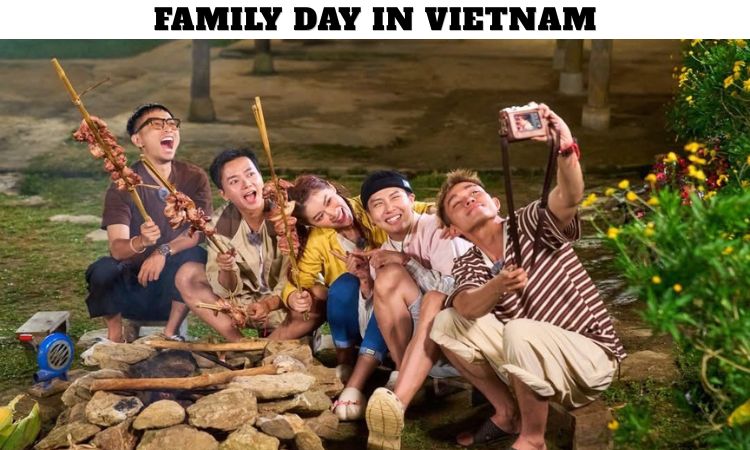
What Is Family Day in Vietnam and Why Is It Celebrated on June 28?
Family Day in Vietnam, celebrated annually on June 28, is a significant national observance dedicated to honoring the importance of family in Vietnamese society. Known as Vietnam Family Day, the occasion highlights the vital role families play in preserving cultural values, nurturing future generations, and promoting social harmony.
Family has long been regarded as the cornerstone of Vietnamese culture. Strong family relationships, respect for elders, and mutual support are deeply rooted in the country’s traditions. Family Day in Vietnam provides an opportunity for people to reflect on these values, spend meaningful time together, and strengthen the bonds that unite family members.
The observance also encourages society to recognize the importance of building healthy, happy, and sustainable families. Through educational activities, cultural events, and family gatherings, June 28 serves as a reminder that strong families contribute significantly to national development and social stability.
How Did Family Day in Vietnam Originate?
Family Day in Vietnam was officially established by the Vietnamese government to emphasize the importance of preserving and promoting traditional family values in a rapidly changing society.
As Vietnam experienced economic growth, modernization, and urbanization, concerns emerged regarding the impact of social changes on family structures and relationships. Recognizing the need to reinforce family values, authorities designated June 28 as Vietnam Family Day to encourage stronger family connections and foster social well-being.
The observance aims to raise awareness about the responsibilities shared by family members while promoting equality, respect, care, and mutual understanding within households.
Over the years, Family Day has become an important cultural occasion celebrated throughout the country, involving communities, educational institutions, workplaces, and families themselves.
Why Is Family Considered So Important in Vietnamese Culture?
Family occupies a central position in Vietnamese culture and influences many aspects of daily life. Traditional Vietnamese society places great emphasis on familial obligations, respect for elders, and collective well-being.
The family unit serves as the primary source of emotional support, moral guidance, education, and social identity. Children are taught from an early age to respect parents, grandparents, and ancestors while contributing positively to family life.
Confucian principles have historically shaped Vietnamese family values, emphasizing filial piety, loyalty, responsibility, and harmony. These values continue to influence modern family relationships despite societal changes.
Strong family ties also provide social stability and create a sense of belonging. Family members often support one another during important life events, financial challenges, and personal difficulties.
Family Day in Vietnam celebrates these enduring traditions while encouraging future generations to uphold and strengthen family values.
What Values Does Family Day in Vietnam Promote?
Family Day in Vietnam promotes a wide range of values that contribute to healthy and harmonious relationships.
Among the most important values celebrated are:
- Love and affection among family members
- Respect for parents and elders
- Responsibility toward family obligations
- Equality within the household
- Mutual understanding and support
- Care for children and older adults
- Preservation of cultural traditions
- Cooperation and unity
The observance also highlights the importance of creating safe and nurturing home environments where every family member can thrive.
Educational campaigns conducted during Family Day often focus on strengthening communication, preventing domestic violence, and promoting gender equality within families.
How Do Vietnamese Families Celebrate Family Day?
Family Day in Vietnam is primarily celebrated through activities that encourage togetherness and strengthen family bonds.
Many families gather for shared meals, which hold special significance in Vietnamese culture. These meals provide opportunities for family members to reconnect, exchange stories, and express appreciation for one another.
Other common ways families celebrate include:
- Visiting relatives and grandparents
- Organizing family reunions
- Participating in recreational activities
- Sharing traditional meals
- Reflecting on family history and traditions
- Engaging in cultural performances
- Taking family photographs
- Spending quality time at home
In many households, Family Day becomes an occasion to honor older generations and express gratitude for their sacrifices and guidance.
The emphasis remains on strengthening relationships rather than material gifts or elaborate celebrations.
What Role Do Government and Communities Play in Family Day Celebrations?
Government agencies, local authorities, and community organizations play an active role in promoting Family Day throughout Vietnam.
Various public events are organized to educate citizens about family values and social responsibilities. These activities may include seminars, exhibitions, cultural programs, competitions, and awareness campaigns.
Educational institutions frequently host discussions and activities designed to teach children about the importance of family relationships and cultural traditions.
Community centers often organize family-oriented events that encourage interaction among residents while fostering stronger social connections.
Media campaigns also contribute significantly by highlighting positive family examples and raising awareness about issues affecting modern families.
Through these initiatives, Family Day extends beyond individual households and becomes a nationwide effort to strengthen family life.
How Has Modernization Influenced Vietnamese Families?
Like many countries around the world, Vietnam has experienced significant social and economic changes that have influenced traditional family structures.
Urbanization, migration, increased workforce participation, and technological advancements have altered how families interact and function. Extended families living together have become less common in urban areas, with many households now consisting of nuclear family units.
Changing work patterns and busy lifestyles may reduce opportunities for family interaction. At the same time, increased educational and career opportunities have expanded individual choices and transformed traditional gender roles.
Despite these changes, family remains highly valued in Vietnamese society. Many families continue to maintain strong intergenerational relationships and uphold traditional customs.
Family Day in Vietnam serves as an important reminder to balance modernization with the preservation of cherished family values.
Why Is Respect for Elders an Essential Part of Vietnamese Family Life?
Respect for elders is one of the most fundamental principles in Vietnamese culture. Older family members are regarded as sources of wisdom, experience, and guidance.
Children are taught to honor parents, grandparents, and ancestors through respectful behavior, obedience, and care. This respect extends beyond immediate family members and influences broader social interactions.
Many Vietnamese families prioritize caring for aging parents within the household rather than relying exclusively on institutional care. Family members often assume responsibility for supporting elderly relatives both emotionally and financially.
Traditional practices such as ancestor worship further reinforce the connection between generations and strengthen family identity.
Family Day highlights the importance of acknowledging the contributions and sacrifices made by older family members while promoting intergenerational understanding.
How Does Family Day Strengthen Relationships Among Family Members?
Family Day encourages individuals to prioritize relationships and dedicate time to meaningful interactions. In today’s fast-paced world, work commitments, education, and digital distractions can sometimes limit opportunities for family engagement.
The observance provides a valuable opportunity to reconnect, communicate openly, and address misunderstandings. Spending quality time together can improve emotional bonds and foster greater appreciation among family members.
Activities such as shared meals, discussions, and recreational outings create positive experiences that strengthen trust and understanding.
Family Day also encourages parents to become more involved in their children’s lives while promoting healthy communication across generations.
Strong relationships established within families often contribute to improved emotional well-being and overall life satisfaction.
What Challenges Do Modern Families Face?
Modern families encounter various challenges that can affect relationships and household stability.
Common challenges include:
- Balancing work and family responsibilities
- Financial pressures
- Generational differences
- Limited quality time together
- Technological distractions
- Parenting challenges
- Geographic separation due to employment
- Stress and mental health concerns
Addressing these challenges requires open communication, mutual respect, and a willingness to adapt to changing circumstances.
Family Day in Vietnam raises awareness about these issues while encouraging families to seek constructive solutions and strengthen their relationships.
Promoting supportive family environments remains essential for helping individuals navigate modern life successfully.
Why Does Family Day Continue to Be Relevant in Contemporary Society?
Family Day remains highly relevant because strong families continue to form the foundation of healthy communities and stable societies.
In an increasingly interconnected and rapidly changing world, family provides emotional security, social support, and a sense of identity. Strong family relationships can help individuals cope with stress, overcome challenges, and develop positive values.
The observance also reinforces the importance of preserving cultural traditions while adapting to contemporary realities. By celebrating family values, Vietnam seeks to ensure that future generations maintain meaningful connections with their heritage and one another.
Family Day serves as a reminder that investing in family relationships benefits individuals, communities, and society as a whole.
What Can We Learn from Family Day in Vietnam?
Family Day in Vietnam teaches valuable lessons about love, responsibility, respect, and unity. It highlights the importance of nurturing relationships and recognizing the contributions of every family member.
The observance encourages people to appreciate their families, communicate openly, and preserve cultural traditions that strengthen social bonds. It also demonstrates that despite modernization and societal change, family remains a vital source of support and stability.
By dedicating time to family relationships, individuals can foster stronger connections and contribute to happier, healthier communities.
Family Day in Vietnam, celebrated annually on June 28, is a meaningful occasion dedicated to honoring the essential role families play in society. Rooted in centuries of cultural tradition, the observance promotes love, respect, unity, and responsibility among family members.
Through family gatherings, community activities, and educational initiatives, the day encourages individuals to strengthen relationships and preserve the values that define Vietnamese family life. As society continues to evolve, Family Day remains an important reminder that strong families are the foundation of a prosperous and harmonious nation.
Frequently Asked Questions (FAQs)
1. When is Family Day celebrated in Vietnam?
Family Day in Vietnam is observed annually on June 28.
2. What is the purpose of Family Day in Vietnam?
The day promotes family values, strengthens relationships, and highlights the importance of families in society.
3. Is Family Day in Vietnam a public holiday?
No, it is a national observance rather than an official public holiday.
4. How do Vietnamese families celebrate Family Day?
Families often celebrate by gathering for meals, visiting relatives, and spending quality time together.
5. Why is family important in Vietnamese culture?
Family provides emotional support, social identity, moral guidance, and cultural continuity.
6. What values are promoted during Family Day?
The observance promotes love, respect, responsibility, equality, unity, and mutual support.
7. Why is respect for elders significant in Vietnam?
Respect for elders reflects cultural traditions and acknowledges their wisdom, experience, and contributions.
8. How has modernization affected Vietnamese families?
Modernization has influenced family structures, lifestyles, and communication patterns while preserving many traditional values.
9. What challenges do modern families face?
Challenges include work-life balance, financial pressures, technological distractions, and generational differences.
10. Why is Family Day still relevant today?
Family Day remains relevant because strong families contribute to individual well-being, social stability, and cultural preservation.