

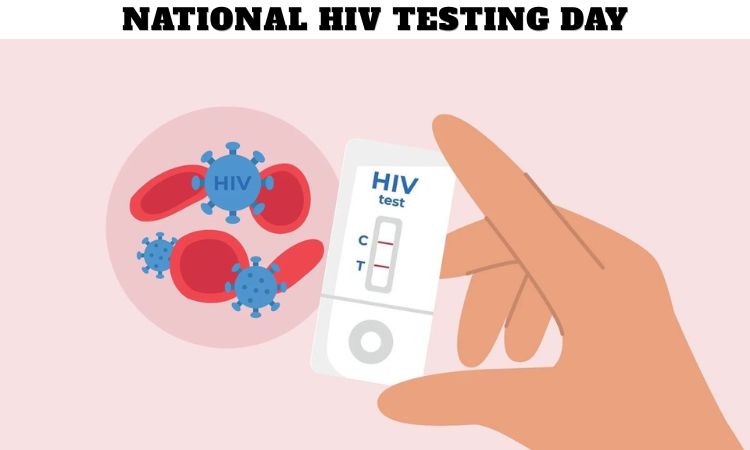
What Is National HIV Testing Day and Why Is It Observed on June 27?
National HIV Testing Day is observed every year on June 27 to encourage people to get tested for HIV, learn their status, and seek appropriate care and treatment if necessary. The annual observance highlights the importance of early detection in preventing transmission and improving health outcomes.
Established as a public health awareness campaign, National HIV Testing Day emphasizes that knowing one’s HIV status is an essential step toward maintaining personal and community health. The observance encourages individuals to make testing a routine part of healthcare and helps reduce stigma associated with HIV.
The day also recognizes the efforts of healthcare professionals, community organizations, educators, and advocates working to expand access to HIV testing and prevention services. Through educational programs and awareness initiatives, National HIV Testing Day seeks to ensure that more people understand the importance of testing and have access to reliable information and support.
As medical advances continue to improve HIV treatment and prevention, regular testing remains one of the most effective tools in reducing new infections and supporting long-term health.
How Did National HIV Testing Day Begin?
National HIV Testing Day was first observed in 1995 as part of broader efforts to address the HIV epidemic through education, prevention, and early diagnosis. Public health officials recognized that many individuals living with HIV were unaware of their status, limiting opportunities for timely treatment and increasing the risk of transmission.
The observance was created to promote routine HIV testing and encourage open conversations about sexual health and prevention. Over the years, National HIV Testing Day has evolved into a nationwide awareness campaign involving healthcare providers, government agencies, community organizations, and advocacy groups.
Annual campaigns often focus on themes such as accessibility, equity, awareness, and reducing stigma. Free or low-cost testing events are frequently organized to make testing more accessible to diverse populations.
The observance continues to play a critical role in public health by promoting education, increasing testing rates, and supporting efforts to end the HIV epidemic.
Why Is HIV Testing So Important?
HIV testing is important because it enables individuals to know their HIV status and make informed decisions about their health. Early diagnosis allows people living with HIV to begin treatment promptly, which can significantly improve health outcomes and quality of life.
Many individuals with HIV may not experience symptoms for years. Without testing, a person may unknowingly live with the virus and potentially transmit it to others.
Regular testing supports prevention efforts by identifying infections early. Individuals who test negative can discuss prevention strategies with healthcare providers, while those who test positive can access medical care and support services.
Advances in treatment have transformed HIV from a life-threatening illness into a manageable chronic condition for many people. Early and consistent treatment can help individuals maintain healthy immune systems and live long, productive lives.
National HIV Testing Day highlights the message that testing is a normal and responsible part of routine healthcare.
What Is HIV and How Does It Affect the Body?
HIV, or Human Immunodeficiency Virus, attacks the body’s immune system, specifically targeting certain white blood cells known as CD4 cells. These cells play a crucial role in defending the body against infections and diseases.
Without treatment, HIV gradually weakens the immune system, making it more difficult for the body to fight infections and certain cancers. If left untreated for an extended period, HIV can progress to Acquired Immunodeficiency Syndrome, commonly known as AIDS.
Modern medical treatments, particularly antiretroviral therapy, can effectively control the virus and prevent progression to AIDS. Individuals who receive appropriate treatment often maintain strong immune systems and enjoy normal or near-normal life expectancy.
Understanding HIV and how it affects the body underscores the importance of early testing and ongoing medical care.
Who Should Get Tested for HIV?
Public health experts recommend that everyone between certain age ranges undergo HIV testing at least once as part of routine healthcare. Individuals with specific risk factors may benefit from more frequent testing.
People who have new or multiple sexual partners, share injection equipment, or engage in activities that may increase exposure risk should discuss testing frequency with healthcare professionals.
Pregnant individuals are often encouraged to undergo HIV testing as part of prenatal care because early diagnosis and treatment significantly reduce the likelihood of transmission during pregnancy or childbirth.
Healthcare providers can help determine appropriate testing schedules based on individual circumstances, medical history, and risk factors.
National HIV Testing Day encourages all individuals to speak openly with healthcare professionals about HIV testing and prevention.
What Types of HIV Tests Are Available?
Several types of HIV tests are available, each designed to detect different indicators of infection.
Antibody tests identify antibodies produced by the immune system in response to HIV infection. These tests are widely used and may be performed using blood samples or oral fluid.
Antigen-antibody tests detect both HIV antibodies and specific viral proteins known as antigens. These tests can often identify infection earlier than antibody-only tests.
Nucleic acid tests detect the presence of the virus itself in the blood. These tests are typically used in specific circumstances and may identify infection very early.
Rapid HIV tests provide results in a relatively short period, sometimes within minutes. Home testing kits are also available, offering additional privacy and convenience.
Healthcare providers can recommend the most appropriate testing option based on individual needs and circumstances.
How Does Early Diagnosis Improve Health Outcomes?
Early diagnosis offers significant benefits for individuals living with HIV. Prompt identification allows treatment to begin before substantial damage occurs to the immune system.
Antiretroviral therapy effectively suppresses viral activity, enabling many individuals to maintain strong immune function and avoid serious complications. Early treatment is associated with improved overall health, reduced hospitalization rates, and longer life expectancy.
Additionally, individuals receiving effective treatment and maintaining viral suppression greatly reduce the risk of transmitting HIV to others. This contributes to broader public health goals aimed at reducing new infections.
Early diagnosis also provides access to counseling, support services, and educational resources that help individuals manage their health effectively.
National HIV Testing Day reinforces the message that testing is not merely a diagnostic tool but also a gateway to care, treatment, and support.
How Does National HIV Testing Day Help Reduce Stigma?
Stigma remains one of the major barriers preventing some individuals from seeking HIV testing and care. Misconceptions, fear, discrimination, and social judgment can discourage people from accessing healthcare services.
National HIV Testing Day seeks to normalize HIV testing by presenting it as a routine aspect of healthcare, similar to screenings for other health conditions. Public awareness campaigns encourage open conversations and challenge myths surrounding HIV.
Educational initiatives emphasize that HIV can affect anyone regardless of age, gender, race, or background. Increased understanding helps reduce prejudice and fosters supportive environments.
Community events, public service announcements, and advocacy campaigns also promote compassion and inclusion for individuals living with HIV.
Reducing stigma is essential because it encourages more people to seek testing, treatment, and prevention services without fear of discrimination.
How Can Individuals Participate in National HIV Testing Day?
There are numerous ways to participate in National HIV Testing Day and support awareness efforts.
One of the most meaningful actions is to get tested and encourage others to do the same. Individuals can schedule appointments with healthcare providers, visit community health centers, or attend local testing events.
Learning about HIV prevention, transmission, and treatment is another important way to participate. Sharing accurate information helps dispel myths and promote informed decision-making.
Volunteering with community organizations that provide HIV education and support services can also make a positive impact. Many organizations host outreach events, educational programs, and awareness campaigns during the observance.
Individuals may also use social platforms, workplaces, schools, and community networks to promote awareness and encourage conversations about HIV testing.
Supporting friends, family members, and community members living with HIV contributes to a more compassionate and inclusive society.
Why Does National HIV Testing Day Continue to Matter Today?
National HIV Testing Day remains highly relevant because HIV continues to affect millions of people worldwide. Despite remarkable advances in treatment and prevention, early diagnosis remains essential for individual and public health.
Routine testing enables timely treatment, improves health outcomes, and helps prevent new infections. The observance also highlights ongoing efforts to address disparities in healthcare access and ensure that testing services are available to all communities.
As scientific understanding and medical technologies continue to evolve, awareness campaigns remain vital in educating the public and reducing stigma. National HIV Testing Day encourages individuals to take proactive steps toward protecting their health and supporting others.
Ultimately, the annual observance serves as a reminder that knowledge is empowering. Knowing one’s HIV status opens the door to treatment, prevention, support, and healthier futures for individuals and communities alike.
Frequently Asked Questions (FAQs)
1. When is National HIV Testing Day observed?
National HIV Testing Day is observed every year on June 27.
2. What is the purpose of National HIV Testing Day?
The day promotes HIV testing, awareness, early diagnosis, and access to treatment and prevention services.
3. Why is HIV testing important?
Testing helps individuals know their status, access treatment early, and reduce the risk of transmission.
4. Can someone have HIV without symptoms?
Yes, many individuals may not experience symptoms for years, making regular testing important.
5. What happens if someone tests positive for HIV?
A healthcare provider can recommend treatment, support services, and ongoing medical care.
6. Are HIV tests confidential?
In most healthcare settings, HIV testing is conducted confidentially according to privacy regulations.
7. What types of HIV tests are available?
Common tests include antibody tests, antigen-antibody tests, rapid tests, and nucleic acid tests.
8. Can HIV be managed with treatment?
Yes, modern antiretroviral therapy allows many people living with HIV to live long and healthy lives.
9. How often should a person get tested for HIV?
Testing frequency depends on individual circumstances and should be discussed with a healthcare professional.
10. How can I participate in National HIV Testing Day?
You can get tested, share accurate information, support awareness campaigns, and encourage others to learn their status.