

What Is Flag Day of Romania and Why Is It Celebrated on June 26?
Flag Day of Romania is celebrated annually on June 26 and honors the national flag of Romania, one of the country’s most important national symbols. This patriotic observance recognizes the history, values, and identity represented by the Romanian tricolor while encouraging citizens to reflect on their nation’s heritage and achievements.
The Romanian flag serves as a powerful emblem of unity, independence, sovereignty, and national pride. Throughout Romania’s history, the flag has accompanied significant events, political transformations, and moments of national triumph. Flag Day provides an opportunity for citizens, institutions, and communities to celebrate the enduring importance of this national symbol.
Across the country, public ceremonies, military events, educational activities, and official gatherings are organized to pay tribute to the flag and its role in representing the Romanian people both at home and abroad.
What Does the Romanian Flag Look Like?
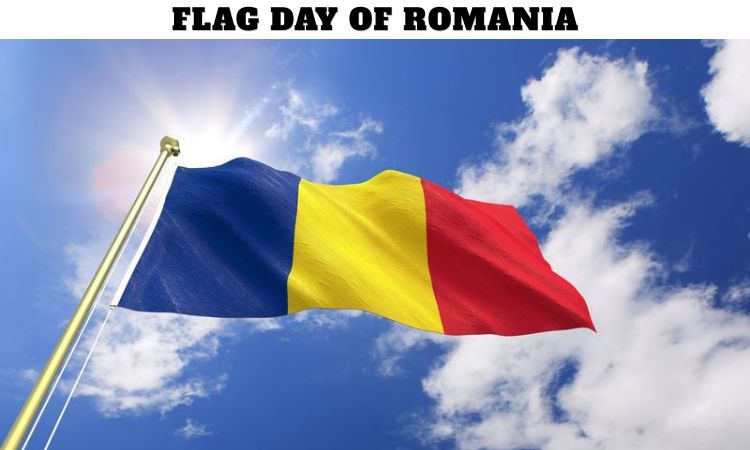
The national flag of Romania consists of three vertical stripes of equal width arranged in the following order from left to right:
- Blue
- Yellow
- Red
This simple yet meaningful design is known as the Romanian tricolor. The colors are displayed vertically and have become instantly recognizable as a symbol of Romania’s national identity.
The design reflects historical traditions that date back centuries and continues to represent the values and aspirations of the Romanian nation. Whether displayed on government buildings, schools, embassies, or private homes, the Romanian flag remains a powerful visual representation of the country’s unity and independence.
The tricolor is one of the most respected national symbols in Romania and holds deep cultural significance for its citizens.
Why Is June 26 Recognized as Flag Day of Romania?
June 26 was chosen as Flag Day because it commemorates the official adoption of the Romanian tricolor as the national flag during a significant period in the country’s history.
The date recognizes the formal establishment of the blue, yellow, and red tricolor as a national symbol. Over time, June 26 became an annual occasion to celebrate the flag and reinforce awareness of its historical importance.
The observance serves as a reminder of the struggles, achievements, and aspirations that have shaped modern Romania. By honoring the flag on this date, Romanians acknowledge the symbol that has accompanied the nation through periods of transformation and progress.
Flag Day has become an important patriotic event that strengthens national identity and civic pride.
What Do the Colors of the Romanian Flag Represent?
The three colors of the Romanian flag carry significant symbolic meaning and have long been associated with Romanian history and culture.
The blue stripe is often associated with ideals such as:
- Freedom
- Loyalty
- Justice
- The sky
The yellow stripe commonly symbolizes:
- Prosperity
- Wealth
- Agricultural abundance
- Opportunity
The red stripe is frequently linked to:
- Courage
- Sacrifice
- Strength
- National unity
Together, these colors create a visual representation of the principles and values that have influenced the development of the Romanian nation.
Although interpretations have evolved over time, the tricolor remains a powerful expression of national pride and shared identity.
How Old Is the Romanian Tricolor?
The origins of the Romanian tricolor can be traced back several centuries. The colors blue, yellow, and red appeared in various historical contexts long before the modern Romanian state was established.
These colors were used in regional symbols, military banners, and cultural emblems that reflected the heritage of Romanian territories. During periods of political and national awakening, the tricolor emerged as an increasingly important symbol of unity among Romanian-speaking populations.
As movements advocating national identity gained momentum, the blue, yellow, and red combination became closely associated with Romanian aspirations for self-determination and independence.
The enduring presence of these colors throughout history has contributed to their significance in modern Romania.
How Has the Romanian Flag Evolved Over Time?
Like many national flags, the Romanian flag has undergone several modifications throughout history. Political changes, constitutional developments, and shifts in government influenced the appearance of the flag during different periods.
While the basic tricolor design remained consistent, certain versions included coats of arms or other official emblems placed in the center.
As Romania experienced monarchy, political reforms, and changing governmental systems, adjustments were made to the flag’s design to reflect the country’s evolving identity.
Despite these changes, the blue, yellow, and red tricolor has remained the foundation of the Romanian national flag and continues to serve as a unifying symbol for citizens.
Its enduring presence demonstrates the strength and continuity of Romanian national traditions.
Why Is the National Flag Important to Romanian Identity?
National flags play a vital role in expressing collective identity, and the Romanian flag is no exception. It represents the nation’s history, culture, achievements, and aspirations.
For many Romanians, the flag symbolizes:
- National unity
- Sovereignty
- Historical continuity
- Civic responsibility
- Shared heritage
- Democratic values
The flag serves as a reminder that citizens are connected through common traditions and a collective national story.
Whether displayed during national holidays, sporting events, diplomatic ceremonies, or educational programs, the Romanian flag helps strengthen a sense of belonging and national pride.
Its presence inspires respect for the country’s past while encouraging confidence in its future.
How Is Flag Day of Romania Celebrated?
Flag Day of Romania is observed through a variety of official and community-based activities that emphasize patriotism and civic awareness.
Common celebrations include:
- Flag-raising ceremonies
- Military honors
- Public speeches
- Educational programs
- Cultural events
- Community gatherings
- School activities
- Historical presentations
Government institutions often organize formal ceremonies in which the national flag is raised while military bands perform patriotic music.
Schools may hold lessons that teach students about the history and symbolism of the Romanian flag, helping younger generations understand its importance.
These activities foster appreciation for national heritage and encourage active participation in civic life.
What Role Does the Romanian Flag Play in National Celebrations?
The Romanian flag is prominently displayed during many important national events and public observances throughout the year.
It appears during:
- National holidays
- State ceremonies
- Military commemorations
- Cultural festivals
- International sporting competitions
- Diplomatic events
During these occasions, the flag serves as a visible reminder of national unity and pride.
Athletes, public officials, and citizens frequently display the flag as a symbol of representation and achievement. International events, in particular, provide opportunities for Romanians to showcase their national identity on the global stage.
The flag’s presence reinforces a sense of connection among citizens regardless of geographic location or background.
How Do Schools and Educational Institutions Observe Flag Day?
Educational institutions play an important role in preserving awareness of national symbols. On Flag Day, many schools organize activities designed to help students understand the historical and cultural significance of the Romanian flag.
Educational programs may include:
- History lessons
- Flag presentations
- Student projects
- Cultural discussions
- Patriotic ceremonies
- Art competitions
Teachers often explain the origins of the tricolor and the values represented by its colors. These activities encourage students to develop respect for national symbols and a deeper understanding of their country’s heritage.
Through education, Flag Day helps ensure that future generations continue to appreciate the importance of the Romanian flag.
How Does the Romanian Flag Represent Romania Internationally?
The Romanian flag serves as the nation’s official symbol in international relations, diplomacy, sports, and cultural exchanges.
Romanian embassies display the flag around the world, representing the country’s sovereignty and presence within the global community. During international sporting events, athletes proudly compete under the national flag, symbolizing the collective hopes and achievements of the nation.
The flag also appears at international conferences, cultural exhibitions, and diplomatic gatherings, where it serves as a visual representation of Romania’s identity and values.
Its recognition abroad reinforces Romania’s place within the international community while promoting national pride among citizens.
Why Does Flag Day of Romania Continue to Be Important Today?
Flag Day of Romania remains an important national observance because it celebrates a symbol that unites citizens across generations. The Romanian flag represents the nation’s history, struggles, achievements, and aspirations for the future.
In a rapidly changing world, national symbols continue to provide a sense of continuity and belonging. The tricolor reminds Romanians of their shared heritage while encouraging respect for democratic values, civic responsibility, and national unity.
Every June 26, Flag Day offers an opportunity to reflect on the meaning of the Romanian flag and its enduring role as a symbol of freedom, pride, and national identity.
Frequently Asked Questions (FAQs)
1. When is Flag Day of Romania celebrated?
Flag Day of Romania is celebrated annually on June 26.
2. What is the Romanian flag called?
The Romanian flag is commonly known as the Romanian Tricolor.
3. What colors are on the Romanian flag?
The flag consists of blue, yellow, and red vertical stripes.
4. Why is June 26 important in Romania?
The date commemorates the official adoption of the Romanian tricolor as a national symbol.
5. What does the blue color represent on the Romanian flag?
Blue is often associated with freedom, loyalty, and justice.
6. What does the yellow stripe symbolize?
Yellow commonly represents prosperity, opportunity, and abundance.
7. What does the red color symbolize?
Red is often linked to courage, sacrifice, and national unity.
8. How do people celebrate Flag Day of Romania?
Celebrations include flag-raising ceremonies, educational programs, military honors, and cultural events.
9. Why is the Romanian flag important?
It represents Romania’s national identity, sovereignty, history, and shared values.
10. Is the Romanian flag displayed during international events?
Yes, it is displayed at diplomatic gatherings, sporting competitions, and international ceremonies worldwide.