

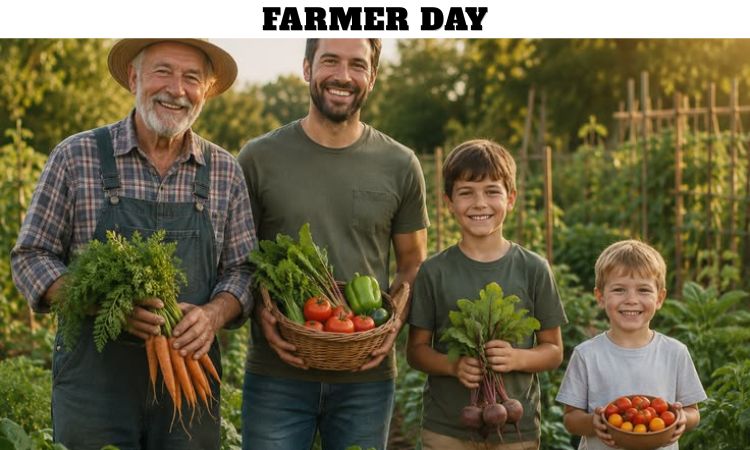
What Is Farmer Day and Why Is It Celebrated on June 24?
Farmer Day, observed on June 24, is a special occasion dedicated to recognizing and appreciating the hard work, dedication, and sacrifices made by farmers around the world. Farmers play an essential role in society by producing the food, fiber, and raw materials that sustain everyday life. Without their continuous efforts, communities would struggle to meet basic needs and maintain economic stability.
The celebration of Farmer Day provides an opportunity to acknowledge the invaluable contributions of agricultural workers and raise awareness about the challenges they face. Farming is one of the oldest and most important professions in human history, serving as the foundation of civilization and economic development.
On June 24, individuals, organizations, educational institutions, and communities come together to express gratitude toward farmers and promote understanding of the agricultural sector. The observance also highlights the importance of sustainable farming practices, food security, and supporting rural communities.
Farmer Day reminds people that every meal on the table is the result of countless hours of labor, planning, and perseverance by dedicated farmers.
How Did Farming Become One of Humanity’s Most Important Occupations?
The history of farming dates back thousands of years to the Neolithic Revolution, when humans transitioned from hunting and gathering to cultivating crops and domesticating animals. This transformation marked a significant turning point in human civilization.
Early agricultural societies emerged in regions such as Mesopotamia, Egypt, China, and the Indus Valley. By producing a reliable food supply, farming enabled communities to settle permanently, establish cities, and develop complex social structures.
Over time, farming techniques evolved through innovations in irrigation, crop rotation, animal husbandry, and agricultural tools. Technological advancements have continued to reshape agriculture, increasing productivity and efficiency while helping farmers meet the growing demands of expanding populations.
Despite modern developments, the core mission of farming remains unchanged: producing food and resources necessary for human survival and prosperity.
Why Are Farmers Essential to Society?
Farmers are fundamental to the functioning of society because they ensure a stable and consistent food supply. Every fruit, vegetable, grain, dairy product, and meat item consumed originates from agricultural activities.
Beyond food production, farmers contribute significantly to national economies. Agriculture creates employment opportunities, supports related industries, and generates income for millions of people worldwide. Sectors such as food processing, transportation, manufacturing, and retail depend heavily on agricultural production.
Farmers also serve as environmental stewards. Responsible agricultural practices help conserve soil, protect water resources, preserve biodiversity, and maintain healthy ecosystems.
In addition, rural communities often rely on farming as their primary economic activity. The success of agriculture directly influences social stability, economic growth, and community development.
Farmer Day emphasizes that supporting farmers ultimately strengthens society as a whole.
What Challenges Do Farmers Face in the Modern World?
Although farming remains essential, farmers face numerous challenges that affect productivity and livelihoods.
Climate change is among the most significant concerns. Unpredictable weather patterns, droughts, floods, heatwaves, and changing rainfall levels can severely impact crop yields and livestock health. Extreme weather events increase risks and create uncertainty for agricultural producers.
Market volatility presents another challenge. Fluctuating commodity prices, rising input costs, and global economic conditions can affect farm profitability. Farmers often encounter financial pressures due to increasing expenses for seeds, fertilizers, fuel, machinery, and labor.
Access to modern technology and infrastructure may also be limited, particularly in developing regions. Inadequate irrigation systems, storage facilities, transportation networks, and market access can hinder agricultural growth.
Labor shortages, pest infestations, soil degradation, and water scarcity further complicate farming operations.
Farmer Day serves as an opportunity to recognize these challenges and encourage policies and initiatives that support agricultural sustainability and farmer welfare.
How Has Technology Changed Modern Agriculture?
Technological advancements have transformed agriculture significantly over the past century. Modern farming incorporates innovative tools and techniques that improve efficiency, productivity, and sustainability.
Mechanization has reduced labor-intensive tasks through the use of tractors, harvesters, and automated equipment. These machines enable farmers to cultivate larger areas more effectively.
Precision agriculture utilizes technologies such as GPS systems, drones, sensors, and satellite imagery to monitor crop conditions and optimize resource use. Farmers can apply water, fertilizers, and pesticides more accurately, reducing waste and environmental impact.
Digital platforms and mobile applications provide farmers with access to weather forecasts, market information, and agricultural advice. These tools support informed decision-making and risk management.
Biotechnology has also contributed to improved crop varieties that offer higher yields, pest resistance, and climate adaptability.
While technology provides numerous benefits, Farmer Day reminds society that innovation complements rather than replaces the experience, knowledge, and dedication of farmers.
How Does Sustainable Farming Benefit Future Generations?
Sustainable farming practices aim to meet current food needs while preserving natural resources for future generations. As global populations continue to grow, sustainable agriculture has become increasingly important.
Practices such as crop rotation, organic farming, integrated pest management, conservation tillage, and efficient water use help maintain soil fertility and reduce environmental damage.
Sustainable agriculture minimizes dependence on harmful chemicals, promotes biodiversity, and supports ecosystem health. These practices contribute to long-term agricultural productivity while reducing negative environmental impacts.
Farmers adopting sustainable methods play a vital role in addressing global challenges such as climate change, water scarcity, and land degradation.
Farmer Day highlights the importance of encouraging environmentally responsible agricultural practices that ensure food security for future generations.
How Can People Celebrate Farmer Day?
There are many meaningful ways to celebrate Farmer Day and show appreciation for those working in agriculture.
One simple way is to purchase products directly from local farmers through farmers’ markets, roadside stands, or community-supported agriculture programs. Supporting local producers helps strengthen rural economies and promotes sustainable food systems.
Educational activities can also raise awareness about farming and agriculture. Schools and community organizations may host workshops, farm visits, or discussions about food production and environmental stewardship.
Many individuals use Farmer Day as an opportunity to thank farmers personally, whether through social media messages, letters, or community recognition events.
Volunteering at community gardens, participating in agricultural fairs, and advocating for policies that support farmers are additional ways to honor the agricultural community.
Families can celebrate by preparing meals using locally grown ingredients and learning about the journey food takes from farm to table.
Why Is Supporting Local Farmers Important?
Supporting local farmers offers numerous economic, social, and environmental benefits.
Purchasing locally grown products helps farmers receive fair compensation for their work. Strong local agricultural systems contribute to economic resilience and create employment opportunities within communities.
Local food systems often reduce transportation distances, lowering carbon emissions associated with long-distance shipping. Consumers also gain access to fresher products that may retain more flavor and nutritional value.
Supporting local farmers helps preserve agricultural land and rural traditions while fostering stronger connections between producers and consumers.
Community engagement with local agriculture encourages greater understanding of food production processes and promotes appreciation for the people who produce food.
Farmer Day encourages consumers to make informed purchasing decisions that support sustainable and resilient agricultural systems.
What Role Do Farmers Play in Global Food Security?
Global food security depends heavily on the efforts of farmers. Food security exists when all people have reliable access to sufficient, safe, and nutritious food.
As the world’s population continues to increase, demand for food is expected to rise significantly. Farmers must produce enough food while managing limited natural resources and adapting to changing environmental conditions.
Agricultural innovation, investment, and international cooperation are essential for maintaining global food security. Farmers remain at the center of these efforts.
Small-scale farmers, in particular, contribute substantially to food production in many countries. Supporting these producers through education, financial resources, and technological assistance strengthens food systems worldwide.
Farmer Day recognizes the critical role farmers play in feeding populations and sustaining human well-being across the globe.
Why Does Farmer Day Continue to Matter Today?
Farmer Day remains highly relevant because agriculture continues to shape economies, societies, and everyday life. Although many people now live in urban areas and may have limited direct contact with farming, dependence on agriculture remains universal.
The observance encourages appreciation for the individuals who work tirelessly to produce food under often challenging conditions. It also promotes awareness of issues affecting agriculture, including climate change, sustainability, and rural development.
By celebrating Farmer Day, societies reaffirm their commitment to supporting farmers and preserving agricultural traditions. The holiday serves as a reminder that food security, environmental stewardship, and economic stability are closely linked to the success of the farming community.
Ultimately, Farmer Day honors the resilience, dedication, and essential contributions of farmers whose efforts nourish and sustain the world.
Frequently Asked Questions (FAQs)
1. When is Farmer Day celebrated?
Farmer Day is celebrated annually on June 24.
2. What is the purpose of Farmer Day?
The day recognizes and appreciates the contributions and hard work of farmers.
3. Why are farmers important to society?
Farmers provide food, raw materials, employment opportunities, and contribute to economic development.
4. How can people celebrate Farmer Day?
People can support local farmers, visit farmers’ markets, participate in educational activities, and express gratitude to farmers.
5. What challenges do farmers commonly face?
Farmers often face climate change, market fluctuations, rising costs, labor shortages, and water scarcity.
6. What is sustainable farming?
Sustainable farming involves agricultural practices that protect natural resources while ensuring long-term productivity.
7. How has technology improved farming?
Technology has increased efficiency through mechanization, precision agriculture, digital tools, and improved crop varieties.
8. Why is buying local produce beneficial?
Buying local supports farmers, strengthens local economies, and reduces transportation-related environmental impacts.
9. What is food security?
Food security means having consistent access to sufficient, safe, and nutritious food.
10. Why does Farmer Day remain important today?
It raises awareness about agriculture, honors farmers, and emphasizes the importance of sustainable food production.