

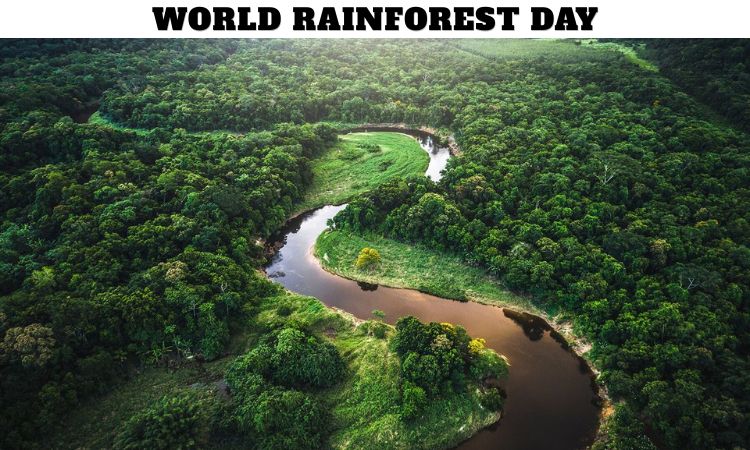
Why Is World Rainforest Day Celebrated on June 22?
World Rainforest Day is observed annually on June 22 to raise awareness about the importance of rainforests and the urgent need to protect them. These extraordinary ecosystems cover only a small percentage of the Earth’s surface, yet they support an incredible variety of plant and animal life while playing a crucial role in maintaining global environmental balance.
The day serves as a reminder that rainforests are among the most valuable natural resources on the planet. They help regulate climate patterns, store vast amounts of carbon, support biodiversity, and provide livelihoods for millions of people. Despite their importance, rainforests continue to face threats from deforestation, habitat destruction, unsustainable land use, and climate change.
World Rainforest Day encourages individuals, organizations, communities, and governments to take action in preserving these vital ecosystems. Through education, conservation initiatives, and sustainable practices, people can contribute to the long-term protection of rainforests and the countless species that depend on them.
Every June 22, the observance highlights the interconnected relationship between healthy rainforests and a healthy planet.
What Are Rainforests?
Rainforests are dense forests characterized by high levels of rainfall, warm temperatures, and rich biodiversity. These ecosystems are found in tropical and temperate regions around the world and are home to millions of species of plants, animals, insects, fungi, and microorganisms.
Tropical rainforests are particularly known for their lush vegetation and remarkable biological diversity. They contain complex layers of plant life, including towering trees, shrubs, vines, and ground-level vegetation. Each layer provides unique habitats for different species.
Rainforests function as interconnected ecosystems where countless organisms depend on one another for survival. This complexity makes them among the most productive and biologically rich environments on Earth.
World Rainforest Day celebrates the beauty, diversity, and ecological significance of these remarkable natural landscapes.
Why Are Rainforests Important for Biodiversity?
Rainforests are often referred to as biodiversity hotspots because they support an extraordinary number of living organisms. A significant percentage of the world’s plant and animal species can be found within rainforest ecosystems.
Many species living in rainforests exist nowhere else on Earth. These unique organisms have evolved over millions of years, adapting to specific environmental conditions. The loss of rainforest habitats can therefore lead to declines in biodiversity and, in some cases, extinction.
Biodiversity is essential because it contributes to ecosystem stability and resilience. Diverse ecosystems are generally better equipped to adapt to environmental changes and recover from disturbances.
World Rainforest Day emphasizes the importance of protecting biodiversity and preserving habitats for future generations.
How Do Rainforests Help Regulate the Climate?
Rainforests play a critical role in regulating the Earth’s climate. They absorb and store large amounts of carbon dioxide, helping reduce the concentration of greenhouse gases in the atmosphere.
Trees and plants within rainforests capture carbon through photosynthesis and store it in their trunks, branches, roots, and surrounding soils. This process helps mitigate climate change by reducing the amount of carbon dioxide circulating in the atmosphere.
Rainforests also influence weather patterns and rainfall cycles. Through the release of water vapor, they contribute to cloud formation and precipitation, which can affect regional and global climate systems.
World Rainforest Day highlights the connection between rainforest conservation and climate stability, emphasizing the need to protect these natural carbon reservoirs.
Why Are Rainforests Important for Human Communities?
Millions of people around the world depend directly on rainforests for their livelihoods, food, shelter, and cultural traditions. Indigenous communities, in particular, have maintained deep connections to rainforest environments for generations.
Rainforests provide valuable resources such as fruits, nuts, medicinal plants, fibers, and timber. Many modern medicines contain ingredients originally discovered in rainforest plants, demonstrating the importance of preserving these ecosystems for scientific and medical research.
In addition to material resources, rainforests contribute to clean air and water, benefiting both local populations and people living far beyond rainforest regions.
World Rainforest Day recognizes the importance of protecting rainforests not only for wildlife but also for the communities that rely on them.
What Threats Do Rainforests Face?
Despite their ecological importance, rainforests face numerous threats. Deforestation remains one of the most significant challenges, often resulting from land clearing for agriculture, infrastructure development, and resource extraction.
Habitat fragmentation can isolate wildlife populations and disrupt ecological processes. Climate change further increases stress on rainforest ecosystems by altering temperature patterns, rainfall levels, and environmental conditions.
Illegal logging, mining activities, and unsustainable land management practices also contribute to rainforest degradation. These activities can reduce biodiversity, affect water systems, and diminish the ability of forests to store carbon.
World Rainforest Day raises awareness about these challenges and encourages collective efforts to address them through conservation and sustainable development.
How Do Rainforests Support Water Cycles?
Rainforests play a vital role in maintaining global and regional water cycles. Trees absorb water from the soil and release moisture into the atmosphere through a process known as transpiration.
This moisture contributes to cloud formation and precipitation, helping sustain rainfall patterns that support ecosystems, agriculture, and human communities. Healthy rainforests act as natural water regulators, reducing the risk of droughts and helping maintain environmental balance.
Forest vegetation also protects watersheds by reducing soil erosion and improving water quality. These benefits extend beyond rainforest regions and can influence broader environmental systems.
World Rainforest Day highlights the importance of preserving forests to ensure the continued stability of water resources worldwide.
How Can People Celebrate World Rainforest Day?
There are many meaningful ways to celebrate World Rainforest Day. Individuals can begin by learning more about rainforest ecosystems, biodiversity, and conservation challenges. Education is often the first step toward positive environmental action.
People may also support organizations involved in conservation efforts, habitat restoration, and sustainable development initiatives. Participating in community environmental programs can further promote awareness and engagement.
Reducing waste, choosing sustainably sourced products, and supporting responsible land-use practices can also contribute to rainforest protection. Small lifestyle choices can collectively make a significant impact when adopted by large numbers of people.
World Rainforest Day encourages everyone to recognize their role in protecting the natural world and supporting environmental sustainability.
Why Is Environmental Education Important?
Environmental education helps people understand the complex relationships between ecosystems, human activities, and planetary health. By increasing awareness, individuals become better equipped to make informed decisions that benefit the environment.
Understanding the importance of rainforests can inspire greater appreciation for biodiversity and conservation efforts. Education also encourages critical thinking about sustainability and resource management.
Young people, in particular, benefit from learning about environmental stewardship because they will play a significant role in shaping future conservation strategies.
World Rainforest Day promotes environmental education as a powerful tool for creating lasting positive change.
How Does Rainforest Conservation Benefit Future Generations?
Protecting rainforests today helps ensure that future generations inherit a healthier and more sustainable planet. Conserved forests continue to provide clean air, biodiversity, climate regulation, and valuable natural resources.
Conservation efforts help preserve species, ecosystems, and ecological processes that may otherwise be lost. They also support scientific research and opportunities for future discoveries in medicine, agriculture, and environmental science.
By protecting rainforests, societies invest in long-term environmental resilience and global well-being. Sustainable management practices help balance economic development with ecological preservation.
World Rainforest Day reminds people that the decisions made today will influence environmental conditions for generations to come.
Why Does World Rainforest Day Continue to Matter?
World Rainforest Day continues to matter because rainforests remain essential to life on Earth. They support biodiversity, regulate climate systems, maintain water cycles, and provide resources that benefit people around the world.
As environmental challenges become increasingly complex, protecting rainforests is more important than ever. Conservation efforts require cooperation among governments, communities, organizations, and individuals working toward shared goals.
The observance serves as a global call to action, encouraging people to appreciate the value of these ecosystems and support measures that promote sustainability and environmental responsibility.
Every June 22, World Rainforest Day reminds humanity that healthy forests contribute to a healthier planet. By protecting rainforests, people help safeguard biodiversity, strengthen climate resilience, and preserve natural resources for future generations.
Frequently Asked Questions (FAQs)
1. What is World Rainforest Day?
World Rainforest Day is an annual observance dedicated to raising awareness about rainforest conservation and environmental protection.
2. When is World Rainforest Day celebrated?
It is celebrated every year on June 22.
3. Why are rainforests important?
Rainforests support biodiversity, regulate climate, store carbon, and maintain water cycles.
4. What is biodiversity?
Biodiversity refers to the variety of living organisms within an ecosystem.
5. How do rainforests help fight climate change?
They absorb and store carbon dioxide, helping reduce greenhouse gases in the atmosphere.
6. What threats do rainforests face?
Major threats include deforestation, habitat loss, climate change, and unsustainable land use.
7. How do rainforests support human communities?
They provide food, resources, livelihoods, medicinal plants, and environmental benefits.
8. How can I celebrate World Rainforest Day?
You can learn about rainforest conservation, support environmental initiatives, and make sustainable lifestyle choices.
9. Why is rainforest conservation important?
Conservation protects biodiversity, climate stability, water resources, and ecosystem health.
10. Why does World Rainforest Day matter?
It encourages global awareness and action to protect one of Earth’s most valuable ecosystems.