

Why Is Nystagmus Awareness Day Observed on June 20?
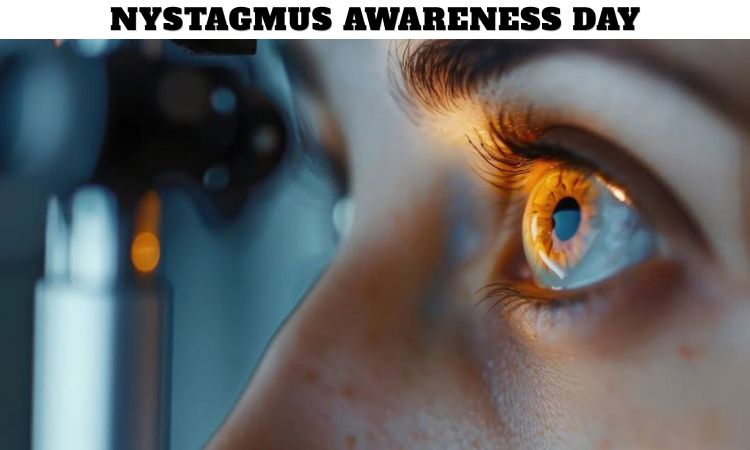
Nystagmus Awareness Day is observed each year on June 20 to increase public understanding of nystagmus, a vision condition characterized by involuntary eye movements. The day aims to educate people about the challenges faced by individuals living with nystagmus while promoting inclusion, support, and access to resources.
Many people have never heard of nystagmus until they or someone they know receives a diagnosis. Because the condition is relatively unfamiliar to the general public, awareness initiatives play a vital role in improving understanding and reducing misconceptions.
Nystagmus Awareness Day provides an opportunity to share information about symptoms, daily experiences, available treatments, and the importance of early diagnosis. It also celebrates the resilience and achievements of individuals who navigate life with the condition.
The observance encourages communities, healthcare professionals, educators, families, and advocacy groups to work together to create environments that support people with visual challenges.
Every June 20, awareness campaigns help shine a light on a condition that affects many individuals worldwide and emphasize the importance of education, acceptance, and support.
What Is Nystagmus?
Nystagmus is a condition that causes the eyes to move involuntarily. These movements may occur from side to side, up and down, or in circular patterns. The movements can vary in speed, direction, and intensity depending on the individual.
The condition may be present at birth or develop later in life. Some people experience relatively mild symptoms, while others face more significant visual challenges.
Because the eyes move continuously, individuals with nystagmus may have difficulty focusing on objects. This can affect visual clarity and make certain daily activities more challenging.
Nystagmus is not a disease itself but rather a condition that can occur independently or alongside other visual or neurological conditions. Each person’s experience is unique, and the impact can vary considerably.
Nystagmus Awareness Day helps increase understanding of this condition and the ways it influences everyday life.
Why Is Awareness About Nystagmus Important?
Awareness is important because many people are unfamiliar with nystagmus and may misunderstand its effects. Increased public knowledge helps reduce stigma and promotes greater empathy toward individuals living with visual impairments.
When teachers, employers, healthcare providers, and community members understand the condition, they are better equipped to provide appropriate support and accommodations.
Awareness also encourages earlier recognition and diagnosis. Families who understand potential signs may seek professional evaluation sooner, leading to better management and support strategies.
In addition, awareness campaigns help connect affected individuals with resources, advocacy groups, and supportive communities.
Nystagmus Awareness Day serves as a platform for education and encourages conversations that improve understanding and inclusion.
How Does Nystagmus Affect Daily Life?
The impact of nystagmus varies from person to person. Some individuals experience minimal disruption, while others face significant challenges related to vision and daily activities.
Reading can sometimes require additional effort because maintaining visual focus may be difficult. Activities that depend heavily on visual precision may also present challenges.
Some individuals adopt specific head positions that help improve visual clarity. This adjustment is often referred to as a preferred viewing position and can become a natural part of daily life.
Tasks such as recognizing distant objects, navigating unfamiliar environments, or participating in certain sports may require adaptations or support.
Despite these challenges, many people with nystagmus pursue education, careers, hobbies, and personal goals successfully. Nystagmus Awareness Day highlights these experiences and promotes understanding of both challenges and achievements.
What Causes Nystagmus?
Nystagmus can occur for a variety of reasons. In some cases, it is present from infancy and may be associated with the development of the visual system. This form is often referred to as congenital or infantile nystagmus.
In other cases, nystagmus develops later in life due to neurological conditions, injuries, inner ear disorders, or other medical factors that affect balance or eye movement control.
The underlying causes can differ significantly among individuals. As a result, healthcare professionals often conduct comprehensive evaluations to determine contributing factors and guide management strategies.
Understanding the cause of nystagmus is important because it can influence treatment options and long-term care planning.
Nystagmus Awareness Day helps educate the public about the complexity of the condition and the importance of individualized medical assessment.
How Is Nystagmus Diagnosed?
Diagnosis typically involves a comprehensive eye examination and assessment of eye movements. Eye care professionals evaluate visual function, eye health, and the characteristics of the involuntary movements.
Additional tests may be recommended depending on the individual’s age, symptoms, and medical history. These evaluations help identify potential underlying causes and determine whether additional medical specialists should be involved.
Early diagnosis can be especially beneficial for children because it allows families to access educational resources, visual support services, and professional guidance.
Receiving a diagnosis often provides clarity and helps individuals better understand their experiences and needs.
Nystagmus Awareness Day encourages awareness of the importance of professional evaluation and timely support.
Are There Treatments Available for Nystagmus?
While there is not always a cure for nystagmus, several approaches may help improve visual function and quality of life. Treatment recommendations depend on the specific type of nystagmus and its underlying cause.
Corrective lenses, low-vision aids, and visual support strategies may help maximize functional vision. In some cases, specialized therapies or medical interventions may be considered.
Certain individuals benefit from treatments that address associated conditions or improve visual comfort. Healthcare providers work closely with patients to determine the most appropriate options.
Supportive accommodations in educational and workplace settings can also play an important role in helping individuals achieve their goals.
Nystagmus Awareness Day highlights the value of personalized care and access to appropriate resources.
How Can Schools and Workplaces Support Individuals With Nystagmus?
Supportive environments can make a significant difference for individuals living with nystagmus. Schools and workplaces that understand the condition are better positioned to provide meaningful accommodations.
Educational settings may offer seating adjustments, enlarged materials, assistive technology, or additional time for certain tasks. These accommodations help students access information more effectively.
Employers can support workers by ensuring appropriate lighting, flexible work arrangements, accessible technology, and understanding of visual needs.
Open communication is essential. Individuals with nystagmus often know which accommodations work best for them and can provide valuable guidance regarding their needs.
Nystagmus Awareness Day encourages inclusive practices that help people participate fully in education, employment, and community life.
How Do Advocacy and Support Organizations Help?
Advocacy organizations play an important role in raising awareness, providing information, and connecting individuals affected by nystagmus. These groups often offer educational materials, support networks, and opportunities for community engagement.
Families and newly diagnosed individuals may find reassurance through connections with others who share similar experiences. Support networks can provide practical advice, encouragement, and emotional support.
Advocacy efforts also promote research, public education, and policy initiatives that improve accessibility and quality of life.
By bringing people together, these organizations help reduce isolation and strengthen the collective voice of the nystagmus community.
Nystagmus Awareness Day often serves as a focal point for these awareness and advocacy activities.
What Can Individuals Do to Support Nystagmus Awareness?
There are many ways to support Nystagmus Awareness Day. Learning about the condition is one of the most important steps. Accurate information helps create understanding and reduces misconceptions.
Sharing educational content, participating in awareness events, and discussing the condition with friends and family can broaden public knowledge.
Supporting advocacy organizations and community initiatives can also make a meaningful difference. Volunteer efforts and fundraising activities often contribute to education and outreach programs.
Listening to the experiences of individuals with nystagmus and respecting their perspectives helps foster inclusion and empathy.
Nystagmus Awareness Day encourages everyone to play a role in creating more supportive and informed communities.
Why Does Nystagmus Awareness Day Continue to Matter?
Nystagmus Awareness Day remains important because awareness leads to understanding, support, and inclusion. Many people living with the condition continue to encounter misconceptions or a lack of public knowledge about their experiences.
The observance helps ensure that individuals with nystagmus are seen, heard, and supported. It promotes conversations about accessibility, education, healthcare, and community participation.
The day also celebrates the resilience and achievements of those living with the condition. Their experiences demonstrate that visual challenges do not define a person’s potential or abilities.
By encouraging education and advocacy, Nystagmus Awareness Day contributes to a more inclusive society where individuals with visual conditions can thrive and pursue their goals with confidence.
Frequently Asked Questions (FAQs)
1. What is Nystagmus Awareness Day?
Nystagmus Awareness Day is observed on June 20 to raise awareness about nystagmus and support individuals living with the condition.
2. When is Nystagmus Awareness Day celebrated?
It is celebrated annually on June 20.
3. What is nystagmus?
Nystagmus is a condition that causes involuntary eye movements that may affect vision.
4. What causes nystagmus?
Nystagmus can be present from infancy or develop later due to various visual, neurological, or medical factors.
5. Can nystagmus affect daily activities?
Yes, it may influence reading, focusing, recognizing distant objects, and other vision-related tasks.
6. Is there a cure for nystagmus?
There is not always a cure, but treatments and supportive strategies may help improve visual function and quality of life.
7. How is nystagmus diagnosed?
Diagnosis typically involves comprehensive eye examinations and assessments by healthcare professionals.
8. How can schools support students with nystagmus?
Schools can provide accommodations such as assistive technology, seating adjustments, and accessible learning materials.
9. Why is awareness about nystagmus important?
Awareness helps reduce misconceptions, promote inclusion, and encourage access to support and resources.
10. How can people participate in Nystagmus Awareness Day?
People can learn about the condition, share information, support advocacy efforts, and participate in awareness activities.