

Why Is National Corn on the Cob Day Celebrated on June 11?
National Corn on the Cob Day is celebrated annually on June 11 to honor one of the most beloved and recognizable foods enjoyed across many cultures. Corn on the cob is a simple yet flavorful dish that has become a staple of summer meals, family gatherings, picnics, barbecues, and community events.
The holiday recognizes the importance of corn as both an agricultural crop and a culinary favorite. For generations, corn has played a significant role in feeding communities and supporting farming economies. Corn on the cob, in particular, represents the enjoyment of fresh seasonal produce and the traditions associated with summer dining.
National Corn on the Cob Day encourages people to appreciate the journey of corn from farm fields to dinner tables. It also highlights the creativity involved in preparing and serving corn in various ways, from classic buttered ears to modern recipes featuring unique seasonings and toppings.
The observance serves as a reminder of the connection between agriculture, food traditions, and community celebrations. By recognizing corn on the cob, the holiday celebrates a food that continues to bring people together through shared meals and memorable experiences.
What Is Corn on the Cob?
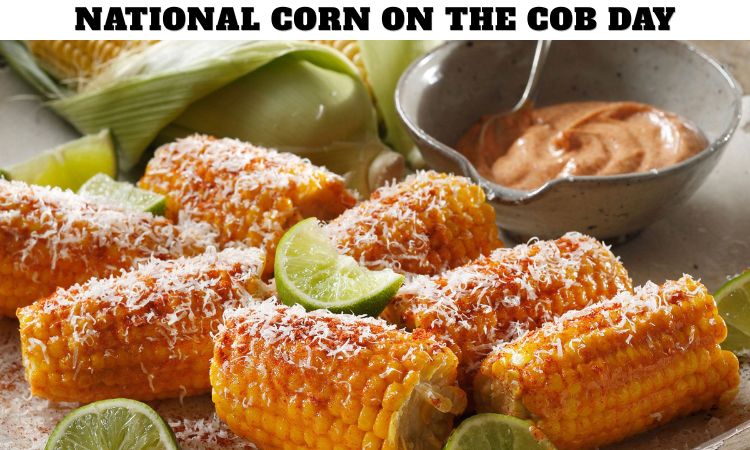
Corn on the cob refers to ears of corn that are cooked and served with the kernels still attached to the central cob. This preparation allows people to enjoy the natural sweetness and texture of fresh corn directly from the ear.
The dish can be prepared using several methods, including boiling, grilling, roasting, steaming, and baking. It is often served with butter, salt, and pepper, although many variations incorporate herbs, spices, cheeses, and other flavorful ingredients.
Corn on the cob is popular because it combines simplicity with versatility. It can be enjoyed as a side dish, incorporated into larger meals, or served at outdoor gatherings and celebrations.
Its appeal extends across age groups and culinary traditions. Whether prepared using traditional recipes or creative modern techniques, corn on the cob remains a favorite seasonal food.
National Corn on the Cob Day celebrates this iconic dish and the enjoyment it brings to countless people every year.
What Is the History of Corn?
Corn, also known as maize, has a long and fascinating history that dates back thousands of years. It originated in the Americas and became one of the most important crops cultivated by Indigenous peoples.
Over centuries, corn evolved through selective cultivation into the crop recognized today. Its adaptability allowed it to thrive in a wide range of climates and growing conditions, contributing to its widespread use.
As trade and exploration expanded, corn spread to different parts of the world. Farmers quickly recognized its value as a reliable and productive crop, leading to its adoption in many agricultural systems.
Today, corn is one of the most widely grown crops globally. It is used for food, livestock feed, industrial products, and numerous other purposes.
The history of corn reflects its significance as both a nutritional resource and a symbol of agricultural innovation. National Corn on the Cob Day honors this remarkable legacy while celebrating one of corn’s most popular culinary forms.
Why Is Corn on the Cob Associated with Summer?
Corn on the cob is closely linked with summer because fresh sweet corn is commonly harvested during the warmer months in many regions. The arrival of fresh corn often signals the beginning of seasonal outdoor dining and agricultural celebrations.
Summer festivals, farmers markets, county fairs, and family barbecues frequently feature corn on the cob as a centerpiece of seasonal menus. Its natural sweetness and satisfying texture make it particularly appealing during warm weather.
The simplicity of preparation also contributes to its popularity during summer gatherings. Corn can be quickly grilled, boiled, or roasted while people enjoy outdoor activities and social events.
For many families, eating corn on the cob evokes memories of vacations, picnics, and time spent with loved ones. These associations have helped establish corn on the cob as a symbol of summer traditions.
National Corn on the Cob Day celebrates these seasonal connections and the joy of enjoying fresh produce at its peak.
How Is Corn on the Cob Prepared?
There are numerous ways to prepare corn on the cob, each producing unique flavors and textures. Boiling is one of the most common methods and involves cooking corn in hot water until tender.
Grilling is another popular technique that adds a smoky flavor and lightly charred texture. Many people grill corn directly on the grate or within its husk to enhance its natural sweetness.
Roasting corn in an oven provides a convenient alternative and can produce rich, concentrated flavors. Steaming preserves moisture and helps maintain the kernels’ natural texture.
After cooking, corn is often topped with butter, herbs, spices, cheese, or sauces. Creative combinations allow cooks to customize the dish according to personal preferences.
The wide variety of preparation methods demonstrates the versatility of corn on the cob and contributes to its enduring popularity.
Why Is Corn an Important Agricultural Crop?
Corn is one of the most significant agricultural crops in the world due to its versatility and productivity. It serves as a food source for people, feed for livestock, and a raw material for various industrial applications.
Farmers value corn because it can be cultivated in diverse environments and produces substantial yields. Its adaptability has made it a cornerstone of agricultural systems in many countries.
Corn also contributes significantly to local and national economies. It supports farming communities, transportation networks, food processing industries, and numerous related sectors.
In addition to its economic importance, corn plays a vital role in food security by providing a reliable source of nutrition and energy.
National Corn on the Cob Day offers an opportunity to recognize the hard work of farmers and the agricultural contributions that make fresh corn available to consumers.
What Nutritional Benefits Does Corn Provide?
Corn contains a variety of nutrients that contribute to a balanced diet. It provides carbohydrates, dietary fiber, vitamins, and minerals that support overall nutrition.
Fresh sweet corn is often appreciated for its natural sweetness and satisfying texture. It can be enjoyed as part of meals that include a variety of fruits, vegetables, proteins, and grains.
Corn also contains naturally occurring plant compounds that contribute to its vibrant color and flavor. Different varieties of corn may offer varying nutritional characteristics.
Because corn on the cob can be prepared with minimal ingredients, it allows people to enjoy a simple and flavorful vegetable-based side dish.
National Corn on the Cob Day encourages appreciation for the role that fresh produce can play in enjoyable and balanced eating habits.
How Has Corn Influenced Food Traditions?
Corn has influenced food traditions across numerous cultures and regions. Its versatility has inspired a wide range of recipes, preparation methods, and culinary innovations.
Different communities have incorporated corn into breads, soups, stews, porridges, snacks, and desserts. Corn on the cob remains one of the most direct and recognizable ways to enjoy the crop in its natural form.
Seasonal celebrations often feature corn-based dishes that reflect local customs and agricultural heritage. These traditions help preserve cultural identities while promoting community engagement.
The widespread use of corn demonstrates its adaptability and enduring relevance in global cuisine. It continues to inspire creativity among home cooks and professional chefs alike.
National Corn on the Cob Day highlights the cultural importance of corn and the traditions that have developed around its cultivation and consumption.
How Can People Celebrate National Corn on the Cob Day?
There are many enjoyable ways to celebrate National Corn on the Cob Day. Preparing fresh corn at home is one of the most popular options. Individuals and families can experiment with different cooking methods and flavor combinations.
Hosting a barbecue or outdoor gathering provides an opportunity to share corn on the cob with friends and neighbors. These events help create memorable experiences centered around food and community.
Visiting local farmers markets can also be a meaningful way to celebrate. Purchasing fresh corn directly from local growers supports agricultural communities and encourages appreciation for seasonal produce.
Educational activities such as learning about corn cultivation, agricultural history, or cooking techniques can add depth to the celebration.
Whether through cooking, sharing meals, or exploring agricultural traditions, National Corn on the Cob Day offers numerous opportunities for participation and enjoyment.
What Is the Lasting Significance of National Corn on the Cob Day?
The lasting significance of National Corn on the Cob Day lies in its recognition of a food that connects agriculture, culture, and community. Corn on the cob represents the value of fresh seasonal produce and the traditions associated with shared meals.
The observance encourages appreciation for farmers, agricultural heritage, and the role of food in bringing people together. It reminds individuals of the importance of supporting local agriculture and enjoying foods that reflect seasonal abundance.
National Corn on the Cob Day also celebrates simplicity. In a world of increasingly complex food choices, corn on the cob remains a straightforward and satisfying dish enjoyed by people of all ages.
Its enduring popularity demonstrates the power of food to create memories, strengthen relationships, and preserve cultural traditions. By celebrating National Corn on the Cob Day, people honor a timeless favorite that continues to enrich summer gatherings and everyday meals alike.
Frequently Asked Questions (FAQs)
1. What is National Corn on the Cob Day?
National Corn on the Cob Day is an annual observance celebrating corn on the cob and its cultural and agricultural significance.
2. When is National Corn on the Cob Day celebrated?
It is celebrated every year on June 11.
3. What is corn on the cob?
Corn on the cob is an ear of corn cooked and served with the kernels attached to the central cob.
4. Why is corn on the cob popular during summer?
Fresh sweet corn is often harvested during summer, making it a seasonal favorite.
5. How is corn on the cob commonly prepared?
It can be boiled, grilled, roasted, steamed, or baked.
6. What toppings are often used on corn on the cob?
Common toppings include butter, salt, pepper, herbs, spices, cheese, and sauces.
7. Why is corn an important crop?
Corn is widely used for food, livestock feed, and various industrial purposes.
8. How can people celebrate National Corn on the Cob Day?
They can cook corn on the cob, host gatherings, visit farmers markets, or learn about corn farming.
9. Is corn grown in many countries?
Yes, corn is cultivated throughout the world in a variety of climates.
10. What does National Corn on the Cob Day celebrate?
It celebrates the enjoyment, history, and agricultural importance of corn on the cob.