

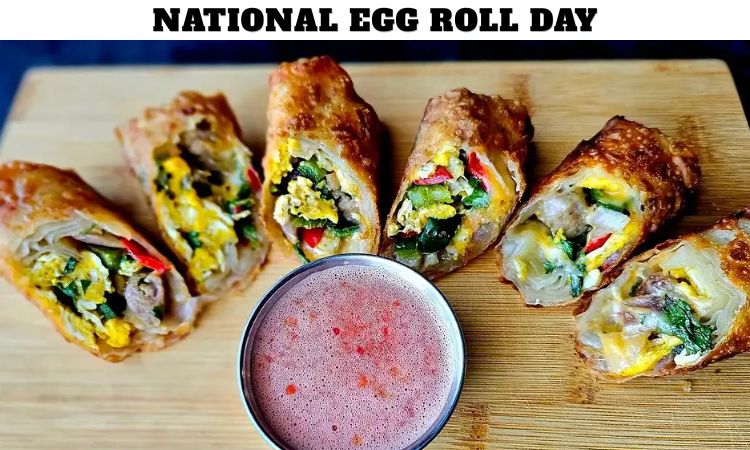
Why Is National Egg Roll Day Celebrated on June 10?
National Egg Roll Day is celebrated annually on June 10 to honor one of the most popular appetizers and comfort foods enjoyed throughout the United States. Known for its crispy exterior and flavorful filling, the egg roll has become a favorite menu item in restaurants, family gatherings, food festivals, and takeout meals.
The observance recognizes the culinary appeal of egg rolls and their place in modern food culture. While inspired by Asian culinary traditions, the egg roll has evolved into a unique dish that reflects the blending of different cooking influences and tastes.
National Egg Roll Day encourages food lovers to enjoy this beloved snack, learn about its origins, experiment with recipes, and appreciate the creativity involved in preparing it. The day also highlights the role that food plays in bringing people together and creating memorable dining experiences.
Whether enjoyed as an appetizer, side dish, or main meal component, egg rolls continue to be appreciated for their versatility, satisfying texture, and rich flavor combinations.
The celebration serves as a reminder that even simple foods can have fascinating histories and significant cultural influence.
What Is an Egg Roll?
An egg roll is a savory fried food consisting of a filling wrapped inside a thin dough wrapper and cooked until crispy and golden brown. The filling commonly includes shredded vegetables such as cabbage and carrots along with meats like pork, chicken, shrimp, or beef.
The wrapper is thicker than that used for many other rolled appetizers, giving the egg roll its characteristic crunchy texture after frying. The result is a satisfying combination of crispness on the outside and flavorful ingredients on the inside.
Egg rolls are often served with dipping sauces that complement their taste. Popular choices include sweet and sour sauce, mustard-based sauces, soy sauce, or spicy condiments.
Because of their adaptability, egg rolls can be customized with a wide variety of ingredients to suit different preferences and dietary needs.
Today, they remain one of the most recognizable and widely enjoyed appetizers in American dining culture.
What Is the History of the Egg Roll?
The exact origins of the egg roll remain a subject of discussion among food historians, but most agree that the dish emerged in the United States during the twentieth century.
Egg rolls are generally considered an example of Chinese American cuisine, which developed as immigrant communities adapted traditional recipes to locally available ingredients and changing consumer tastes.
Although egg rolls share similarities with traditional spring rolls found in various Asian cuisines, the American-style egg roll evolved into a distinct dish with a thicker wrapper and heartier filling.
Restaurants in major American cities helped popularize egg rolls during the early and mid-twentieth century. As Chinese American cuisine became more widely appreciated, egg rolls gained recognition as a familiar and accessible menu item.
Over time, they became a staple appetizer in countless restaurants and households, earning a lasting place in American food culture.
National Egg Roll Day celebrates this culinary journey and the dish’s enduring popularity.
Why Are Egg Rolls So Popular?
Several factors contribute to the popularity of egg rolls. One of the most obvious is their appealing combination of textures. The crispy outer shell contrasts perfectly with the tender and flavorful filling inside.
Egg rolls are also highly versatile. They can contain a wide variety of ingredients, making them suitable for different tastes and dietary preferences. Whether filled with vegetables, meat, seafood, or creative modern ingredients, egg rolls offer something for nearly everyone.
Their convenient size makes them easy to serve as appetizers, snacks, or party foods. They are portable, shareable, and satisfying, making them a popular choice for gatherings and celebrations.
Additionally, egg rolls pair well with a variety of sauces, allowing people to customize flavors according to personal preference.
The combination of taste, convenience, and adaptability has helped egg rolls remain a favorite for generations.
What Ingredients Are Commonly Found in Egg Rolls?
Traditional egg roll fillings often include a mixture of shredded cabbage, carrots, onions, and meat. Pork is one of the most commonly used proteins, although chicken, beef, shrimp, and vegetarian alternatives are also popular.
Seasonings such as garlic, ginger, soy sauce, and sesame oil frequently enhance the flavor profile. These ingredients create a savory filling that balances texture and taste.
The wrapper itself is typically made from flour-based dough. Its thicker structure distinguishes it from the wrappers used in many spring rolls and contributes to the signature crunch achieved during frying.
Modern recipes frequently experiment with ingredients beyond traditional combinations. Some egg rolls include cheese, mushrooms, peppers, noodles, or fusion-inspired fillings.
This flexibility allows cooks to create personalized versions while preserving the essential qualities that define the dish.
National Egg Roll Day celebrates both traditional recipes and innovative culinary interpretations.
How Are Egg Rolls Made?
The process of making egg rolls begins with preparing the filling. Vegetables and proteins are chopped, seasoned, and cooked to develop flavor and remove excess moisture.
Once the filling has cooled, it is placed onto a wrapper. The wrapper is folded around the filling and rolled tightly to create a sealed package. Proper sealing is important to prevent ingredients from escaping during cooking.
The prepared rolls are then fried in hot oil until they become crisp and golden brown. Frying creates the distinctive texture that many people associate with egg rolls.
Some modern recipes use baking or air frying as alternatives to traditional deep frying. These methods can reduce oil usage while still producing a crispy exterior.
After cooking, egg rolls are often served hot alongside dipping sauces that enhance their flavor and provide additional variety.
The preparation process combines simplicity with creativity, making egg rolls a popular choice for both home cooks and professional chefs.
How Have Egg Rolls Influenced Food Culture?
Egg rolls represent the successful blending of culinary traditions and cultural influences. Their widespread popularity demonstrates how food evolves as communities interact and adapt recipes to new environments.
As Chinese American cuisine gained acceptance throughout the United States, egg rolls became one of its most recognizable dishes. They introduced many diners to flavors and ingredients associated with Asian-inspired cooking.
The dish has also influenced modern fusion cuisine. Chefs frequently create innovative versions featuring ingredients from various culinary traditions, showcasing the adaptability of the egg roll format.
Egg rolls have become common at family celebrations, sporting events, food festivals, and restaurant menus. Their presence in so many settings reflects their broad appeal.
National Egg Roll Day acknowledges the role of food in fostering cultural exchange and creating shared experiences across communities.
How Do People Celebrate National Egg Roll Day?
People celebrate National Egg Roll Day in many enjoyable ways. One of the most popular methods is simply enjoying freshly prepared egg rolls at restaurants, food trucks, or home gatherings.
Many home cooks use the occasion to experiment with homemade recipes. Trying new fillings, sauces, or cooking techniques can make the celebration both educational and delicious.
Restaurants often feature special promotions or menu items related to egg rolls, encouraging customers to sample different varieties.
Food enthusiasts may host gatherings where guests prepare and share their favorite recipes. These events allow participants to explore culinary creativity while enjoying a classic dish.
Social media users frequently share photographs, cooking tips, and personal recipes to mark the occasion.
The holiday provides an opportunity to celebrate food, creativity, and the joy of sharing meals with others.
What Are Some Interesting Facts About Egg Rolls?
One interesting fact about egg rolls is that despite their name, many recipes do not contain eggs in the filling. The name may relate to historical variations of the wrapper or early recipe adaptations.
Egg rolls are generally larger and thicker than traditional spring rolls, giving them a distinct appearance and texture.
The dish became particularly popular in the United States during the twentieth century as Chinese American restaurants expanded across the country.
Modern egg rolls come in countless varieties, including vegetarian, seafood, dessert, and fusion-inspired versions.
Some creative recipes incorporate ingredients such as cheeseburgers, buffalo chicken, pizza fillings, and sweet desserts, demonstrating the versatility of the format.
The enduring popularity of egg rolls highlights how a simple concept can inspire endless culinary innovation.
What Is the Lasting Appeal of National Egg Roll Day?
The lasting appeal of National Egg Roll Day lies in its celebration of a food that combines flavor, tradition, and creativity. Egg rolls have earned a special place in dining culture because they are versatile, satisfying, and enjoyable for people of all ages.
The holiday highlights the importance of culinary traditions while encouraging innovation and experimentation. It demonstrates how food can evolve over time while maintaining its essential character.
Egg rolls also symbolize the influence of cultural exchange on modern cuisine. Their popularity reflects the ability of food to connect people across different backgrounds and experiences.
National Egg Roll Day reminds people that food is more than nourishment. It is a source of enjoyment, creativity, community, and shared memories.
As new generations continue to discover and reinvent egg rolls, the dish remains a beloved part of culinary culture. The observance ensures that this crispy, flavorful favorite continues to be appreciated and celebrated for years to come.
Frequently Asked Questions (FAQs)
1. What is National Egg Roll Day?
National Egg Roll Day is an annual celebration honoring the popular appetizer known as the egg roll.
2. When is National Egg Roll Day celebrated?
It is celebrated every year on June 10.
3. What is an egg roll?
An egg roll is a fried roll filled with vegetables, meat, seafood, or other ingredients wrapped in dough.
4. Where did egg rolls originate?
Egg rolls are generally associated with Chinese American cuisine and evolved in the United States.
5. What is commonly found inside an egg roll?
Common fillings include cabbage, carrots, pork, chicken, shrimp, and various seasonings.
6. Are egg rolls and spring rolls the same?
No. Egg rolls usually have a thicker wrapper and a crispier texture than many spring rolls.
7. How are egg rolls cooked?
They are traditionally deep-fried, although baking and air frying are also popular methods.
8. What sauces are served with egg rolls?
Popular sauces include sweet and sour sauce, soy sauce, mustard sauce, and spicy dips.
9. How can people celebrate National Egg Roll Day?
People can enjoy egg rolls, try new recipes, visit restaurants, or host food-themed gatherings.
10. Why are egg rolls so popular?
Their crispy texture, flavorful fillings, versatility, and convenience make them widely enjoyed.