

What Is June Bug Day and Why Is It Celebrated on June 7?
June Bug Day, celebrated annually on June 7, is a fun and educational observance dedicated to the fascinating insects commonly known as June bugs. These beetles are a familiar sight in many parts of North America and other regions during late spring and early summer, particularly in the month of June, which inspired their popular name.
The day provides an opportunity to learn more about these unique insects, their life cycles, habitats, behaviors, and ecological importance. While June bugs are often associated with warm evenings, porch lights, and buzzing flights, they are also an important part of many ecosystems.
June Bug Day encourages people to explore the natural world, appreciate insect diversity, and discover the role these beetles play in the environment. It serves as both a celebration of nature and an educational occasion that highlights one of the most recognizable insects of the summer season.
What Is a June Bug?
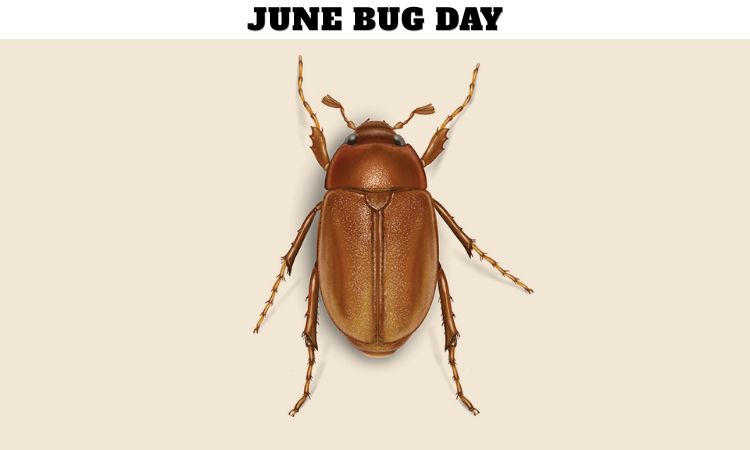
A June bug is a type of beetle belonging to the scarab beetle family. The term “June bug” is commonly used to describe several species of beetles that emerge during late spring and early summer. These insects are known for their oval-shaped bodies, hard wing covers, and characteristic buzzing flight.
Most June bugs are brown, reddish-brown, or dark in color. Adult beetles typically range from half an inch to one inch in length, depending on the species. They are especially active during warm evenings and are often attracted to outdoor lights.
June bugs spend most of their lives underground as larvae before emerging as adults. Their appearance during June has made them a well-known symbol of the summer season in many regions.
Although some species can affect lawns and plants, June bugs are also a natural component of healthy ecosystems and food chains.
How Did June Bug Day Begin?
The exact origins of June Bug Day remain unclear, but the observance likely emerged as a way to celebrate one of the most recognizable insects associated with early summer. Like many nature-themed observances, the day encourages curiosity, outdoor exploration, and appreciation for wildlife.
June bugs have long been part of seasonal folklore and childhood memories. Their appearance often signals the arrival of warmer weather and outdoor activities. As a result, these insects became a natural subject for a commemorative day focused on education and environmental awareness.
Over time, June Bug Day gained popularity among nature enthusiasts, educators, gardeners, and families interested in learning more about insects and their ecological roles.
Today, the observance provides an enjoyable opportunity to explore entomology, biodiversity, and the fascinating lives of beetles.
Why Are June Bugs Called June Bugs?
June bugs received their common name because adult beetles typically emerge during the month of June in many parts of North America. Their appearance often coincides with the beginning of summer and warmer nighttime temperatures.
Although some species may emerge earlier or later depending on climate and location, June remains the period when these insects are most noticeable. Their nighttime activity around lights and gardens makes them particularly visible during this time of year.
The name has become deeply associated with seasonal changes and serves as a reminder of nature’s annual cycles. For many people, seeing June bugs is one of the traditional signs that summer has arrived.
The simple and descriptive name has remained popular for generations and continues to be widely used today.
What Is the Life Cycle of a June Bug?
The life cycle of a June bug is one of the most fascinating aspects of its biology. June bugs undergo complete metamorphosis, progressing through four stages: egg, larva, pupa, and adult.
Female June bugs lay eggs in the soil, where they eventually hatch into larvae commonly known as grubs. These grubs live underground and feed on plant roots and organic matter. Depending on the species, the larval stage may last one to three years.
After completing their growth, the larvae enter the pupal stage, during which they transform into adult beetles. Once development is complete, adult June bugs emerge from the soil and begin their brief above-ground lives.
Adult June bugs focus primarily on feeding, reproduction, and continuing the life cycle. Their emergence each summer represents the final stage of a long developmental process that occurs mostly out of sight beneath the ground.
Where Do June Bugs Live?
June bugs can be found in a wide variety of habitats, including forests, grasslands, gardens, agricultural areas, and suburban neighborhoods. They thrive in environments where soil conditions support the development of their underground larvae.
Because grubs require soil for growth, areas with healthy vegetation and organic matter often provide ideal habitats. Adult June bugs are commonly seen around trees, shrubs, flowers, and outdoor lighting.
Different species occupy different geographic regions, but June bugs are widespread throughout North America and can also be found in other parts of the world.
Their adaptability has allowed them to flourish in both natural and human-modified environments, making them one of the most familiar summer insects.
What Do June Bugs Eat?
June bug diets vary depending on their life stage. Larvae, or grubs, primarily feed on plant roots and decaying organic material found in the soil. This underground feeding behavior can sometimes affect lawns and crops when grub populations become large.
Adult June bugs feed on leaves, flowers, fruits, and other plant materials. Different species may prefer different types of vegetation, but most adults consume plant matter as their primary food source.
Despite occasionally being considered garden pests, June bugs are simply participating in natural ecological processes that have existed for millions of years.
Their feeding habits also contribute to nutrient cycling and support various food webs within ecosystems.
Why Are June Bugs Attracted to Lights?
One of the most recognizable behaviors of June bugs is their attraction to artificial lights at night. Scientists believe this phenomenon is related to the insects’ natural navigation systems.
Many nocturnal insects use celestial light sources, such as the moon, to maintain orientation while flying. Artificial lights can interfere with this process, causing insects to become disoriented and fly toward light sources.
As a result, June bugs are frequently seen buzzing around porch lights, streetlights, and illuminated windows during warm summer evenings.
This behavior has made them particularly familiar to people and contributes to their reputation as a classic summertime insect.
What Role Do June Bugs Play in Ecosystems?
June bugs play important roles in natural ecosystems. Their larvae help break down organic matter and contribute to soil processes. Although grubs can occasionally damage plant roots, they also participate in nutrient cycling that supports healthy ecosystems.
Adult June bugs serve as a food source for many animals, including birds, bats, reptiles, amphibians, and small mammals. Their presence supports biodiversity by providing energy and nutrients to other species.
Predators rely on insects such as June bugs as part of their diets, helping maintain ecological balance. In this way, June bugs contribute to the complex interactions that sustain healthy environments.
June Bug Day highlights the importance of understanding insects not merely as pests but as valuable members of ecological communities.
How Can People Celebrate June Bug Day?
There are many enjoyable ways to celebrate June Bug Day. Nature enthusiasts can spend time observing insects in gardens, parks, or natural areas while learning about local beetle species.
Families can use the day as an opportunity to teach children about insect life cycles, biodiversity, and environmental conservation. Reading books about insects, visiting nature centers, and participating in educational programs are excellent ways to celebrate.
Gardeners may take time to learn about integrated pest management techniques and the ecological roles of beneficial insects. Photography enthusiasts can also enjoy capturing images of beetles and other wildlife.
Schools and community organizations can organize educational activities focused on entomology and environmental science. These experiences help foster appreciation for the natural world and encourage lifelong learning.
What Are Some Interesting Facts About June Bugs?
June bugs possess several fascinating characteristics that make them unique among insects. One interesting fact is that they spend most of their lives underground as larvae and only a relatively short time as adults.
Another remarkable feature is their strong attraction to light, which often brings them into close contact with humans during summer evenings. Their buzzing flight can seem clumsy, yet it helps them locate food and mates.
There are numerous species commonly referred to as June bugs, each with its own appearance and behavior. Some species complete their development in a single year, while others require multiple years underground before emerging.
June bugs have existed for millions of years and belong to one of the largest groups of insects on Earth, demonstrating the incredible diversity of beetle species worldwide.
Why Does June Bug Day Continue to Be Celebrated?
June Bug Day continues to be celebrated because it encourages curiosity about nature and promotes appreciation for the small creatures that share our environment. While June bugs may sometimes be overlooked or misunderstood, they represent an important part of ecological systems and seasonal traditions.
The observance reminds people that even common insects have fascinating life stories and significant environmental roles. By learning about June bugs, individuals gain a deeper understanding of biodiversity, ecological balance, and the interconnectedness of life.
As interest in conservation and environmental education continues to grow, June Bug Day provides a valuable opportunity to explore the natural world and celebrate one of summer’s most recognizable insects. Through observation, learning, and appreciation, people can develop a stronger connection to the ecosystems that surround them.
Frequently Asked Questions (FAQs)
1. When is June Bug Day celebrated?
June Bug Day is observed annually on June 7.
2. What is a June bug?
A June bug is a type of scarab beetle commonly seen during late spring and early summer.
3. Why are they called June bugs?
They are called June bugs because adult beetles commonly emerge during the month of June.
4. Are June bugs harmful to humans?
No, June bugs are generally harmless to humans.
5. What do June bug larvae eat?
The larvae, known as grubs, feed on plant roots and organic matter in the soil.
6. Why are June bugs attracted to lights?
Artificial lights can interfere with their natural navigation systems, causing them to fly toward light sources.
7. How long do June bugs live?
Most of their lives are spent underground as larvae, while the adult stage typically lasts only a few weeks.
8. What animals eat June bugs?
Birds, bats, reptiles, amphibians, and small mammals commonly prey on June bugs.
9. Where can June bugs be found?
They live in forests, gardens, grasslands, farms, and suburban areas.
10. How can people celebrate June Bug Day?
People can celebrate by observing insects, learning about beetles, participating in nature activities, and promoting environmental education.