

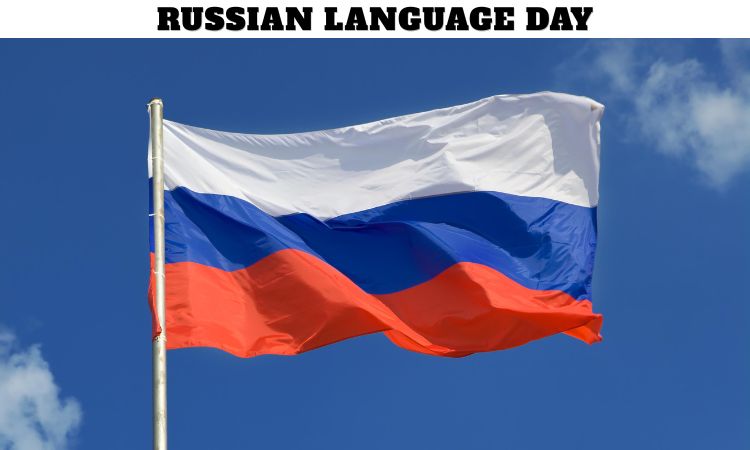
What Is Russian Language Day and Why Is It Celebrated on June 6?
Russian Language Day is observed annually on June 6 to celebrate the Russian language, its rich literary heritage, and its significant contribution to world culture, education, diplomacy, and communication. The day highlights the importance of one of the world’s most widely spoken languages and recognizes its role in connecting millions of people across different countries and regions.
The observance promotes linguistic diversity, cultural understanding, and appreciation for the historical and literary achievements associated with the Russian language. It also encourages language learning and supports efforts to preserve and promote linguistic heritage.
June 6 was chosen for Russian Language Day because it marks the birthday of Alexander Pushkin, widely regarded as the father of modern Russian literature. His works played a transformative role in shaping the modern Russian language and continue to influence literature and culture worldwide.
Russian Language Day serves as both a celebration of linguistic achievement and a tribute to the enduring legacy of one of history’s most influential literary figures.
How Did Russian Language Day Begin?
Russian Language Day was established to recognize the importance of the Russian language in global communication and cultural exchange. The observance gained international significance when the United Nations designated special language days for each of its official languages.
The initiative was designed to promote multilingualism, cultural diversity, and equal use of the organization’s official languages. Russian was selected as one of these languages because of its historical, cultural, and diplomatic importance.
Since its introduction, Russian Language Day has been celebrated by educational institutions, cultural organizations, libraries, embassies, language centers, and communities around the world. The observance encourages people to explore Russian literature, history, language learning, and cultural traditions.
The annual celebration continues to strengthen awareness of the language’s global influence and enduring cultural value.
Why Is Alexander Pushkin Closely Associated With Russian Language Day?
Russian Language Day is closely linked to Alexander Pushkin because of his extraordinary contribution to Russian literature and language development. Born on June 6, 1799, Pushkin is widely considered the founder of modern literary Russian.
Before Pushkin’s era, literary language often differed significantly from everyday speech. Pushkin helped bridge this gap by incorporating natural spoken language into his poetry, prose, and dramatic works. His writing established linguistic standards that continue to influence Russian literature today.
His masterpieces remain central to Russian cultural identity and are studied by students around the world. Through his creativity and innovation, Pushkin elevated Russian literature to international prominence.
Celebrating Russian Language Day on his birthday honors both his literary achievements and his lasting impact on the evolution of the Russian language.
Why Is the Russian Language Important Globally?
The Russian language holds significant global importance due to its widespread use, historical influence, and role in international communication. It is spoken by hundreds of millions of people across Europe, Asia, and other parts of the world.
Russian serves as a primary language in several countries and remains an important second language in many regions that were historically connected through cultural, educational, and economic relationships.
The language plays a vital role in science, literature, diplomacy, business, technology, and international cooperation. Numerous scientific publications, literary works, and historical documents have been produced in Russian, contributing valuable knowledge across various disciplines.
Its broad geographic reach and cultural significance make Russian one of the world’s most influential languages.
What Makes the Russian Language Unique?
The Russian language possesses several distinctive characteristics that contribute to its richness and complexity. It uses the Cyrillic alphabet, a writing system that differs from the Latin alphabet used in English and many other languages.
Russian grammar includes a system of cases that indicate the relationship between words in a sentence. This feature allows for flexibility in sentence structure while maintaining clarity of meaning.
The language is known for its expressive vocabulary and ability to convey subtle emotional and cultural nuances. Many words and phrases reflect centuries of history, literature, philosophy, and social development.
Russian also features a strong tradition of poetry and storytelling, making it particularly admired for its literary beauty and depth.
These qualities have helped establish Russian as one of the world’s most respected literary and cultural languages.
How Has Russian Literature Influenced World Culture?
Russian literature has made profound contributions to global culture and intellectual life. Renowned authors, poets, and playwrights have produced works that continue to inspire readers across generations and continents.
Writers such as Leo Tolstoy, Fyodor Dostoevsky, Anton Chekhov, and Alexander Pushkin created literary masterpieces that explore themes of morality, society, human nature, and personal struggle.
Their works have been translated into numerous languages and remain widely studied in schools, universities, and literary institutions worldwide. These authors helped shape modern literary traditions and influenced countless writers from different cultural backgrounds.
Russian Language Day celebrates this extraordinary literary legacy and encourages continued engagement with Russian literature.
How Is Russian Language Day Celebrated?
Russian Language Day is celebrated through a variety of educational and cultural activities. Schools, universities, libraries, and language centers often organize events that highlight the beauty and significance of the Russian language.
Poetry readings, literary discussions, writing competitions, language workshops, and cultural exhibitions are common features of the celebration. Many events focus on the works of Alexander Pushkin and other notable Russian authors.
Students and language learners may participate in essay contests, public speaking activities, and language-learning challenges. Cultural organizations frequently host performances featuring Russian music, theater, and traditional arts.
Online platforms also contribute to the celebration by sharing educational resources, literary excerpts, historical information, and language-learning opportunities that promote global participation.
Why Is Language Preservation Important?
Language preservation is essential because languages serve as repositories of cultural knowledge, traditions, history, and identity. Every language reflects unique perspectives and ways of understanding the world.
Russian Language Day emphasizes the importance of preserving linguistic heritage while encouraging continued use and study of the Russian language. Protecting languages helps maintain cultural diversity and supports meaningful communication across generations.
When languages are preserved, valuable literary works, historical records, folklore, and cultural practices remain accessible to future generations. Language preservation also strengthens cultural identity and promotes mutual understanding among different communities.
The observance reminds people that linguistic diversity enriches global society and contributes to humanity’s shared cultural heritage.
How Does Learning Russian Benefit Students and Professionals?
Learning Russian offers numerous educational, professional, and personal advantages. As one of the world’s major languages, Russian provides access to a vast body of literature, scientific research, historical documents, and cultural resources.
Students studying international relations, history, literature, political science, and regional studies often benefit from Russian language skills. Professionals working in business, diplomacy, education, technology, and translation may find additional opportunities through Russian proficiency.
Language learning also promotes cognitive development by improving memory, problem-solving abilities, and cross-cultural understanding. It encourages individuals to engage with different perspectives and broaden their global awareness.
Russian Language Day highlights these benefits and encourages people to explore opportunities for language learning and cultural exchange.
What Role Does Russian Play in International Organizations?
Russian serves as one of the official languages of the United Nations and several other international organizations. Its use in diplomatic communication reflects its importance in global affairs and international cooperation.
Official documents, meetings, speeches, and communications are frequently translated into Russian to ensure accessibility and participation for Russian-speaking communities. This role helps facilitate dialogue among nations and supports multilingual communication.
The inclusion of Russian among the world’s major diplomatic languages underscores its significance in international relations, policy discussions, and global governance.
Russian Language Day recognizes this important role while promoting appreciation for the language’s contribution to international understanding.
What Are Some Interesting Facts About the Russian Language?
The Russian language is filled with fascinating characteristics and historical significance. It is among the most widely spoken languages in the world and has one of the richest literary traditions of any language.
The Cyrillic alphabet used in Russian contains unique letters that distinguish it from many other writing systems. Russian vocabulary includes words that reflect centuries of cultural, scientific, and historical development.
Russian literature has produced some of the most influential novels, poems, and plays ever written. The language has also contributed significantly to scientific, technological, and space exploration achievements.
Millions of people study Russian as a foreign language, attracted by its cultural importance and global relevance.
These facts demonstrate why Russian remains a language of enduring international significance.
Why Does Russian Language Day Continue to Matter Today?
Russian Language Day continues to matter because it celebrates a language that has shaped literature, culture, diplomacy, science, and education for centuries. It provides an opportunity to recognize the contributions of Russian-speaking communities while promoting multilingualism and cultural exchange.
The observance encourages appreciation for linguistic diversity and highlights the importance of preserving cultural heritage in an increasingly interconnected world. It also inspires people to explore Russian literature, history, and language learning.
By honoring the legacy of Alexander Pushkin and the richness of the Russian language, Russian Language Day strengthens global understanding and fosters respect for cultural traditions. Each year on June 6, people around the world celebrate a language that continues to influence and enrich human civilization.
Frequently Asked Questions (FAQs)
1. When is Russian Language Day celebrated?
Russian Language Day is celebrated annually on June 6.
2. Why is June 6 chosen for Russian Language Day?
June 6 marks the birthday of Alexander Pushkin, considered the father of modern Russian literature.
3. What is the purpose of Russian Language Day?
The day promotes the Russian language, literature, cultural heritage, and multilingualism.
4. Who was Alexander Pushkin?
Alexander Pushkin was a renowned Russian poet and writer whose works shaped modern Russian literature.
5. Is Russian an official language of the United Nations?
Yes, Russian is one of the six official languages of the United Nations.
6. What alphabet does Russian use?
Russian uses the Cyrillic alphabet.
7. How is Russian Language Day celebrated?
It is celebrated through literary events, language workshops, cultural programs, and educational activities.
8. Why is Russian important globally?
Russian is widely spoken and plays a significant role in culture, science, diplomacy, and international communication.
9. Can learning Russian provide career benefits?
Yes, Russian language skills can support careers in business, diplomacy, education, research, and translation.
10. What is the main goal of Russian Language Day?
The main goal is to celebrate the Russian language and encourage appreciation of its cultural and literary contributions.