

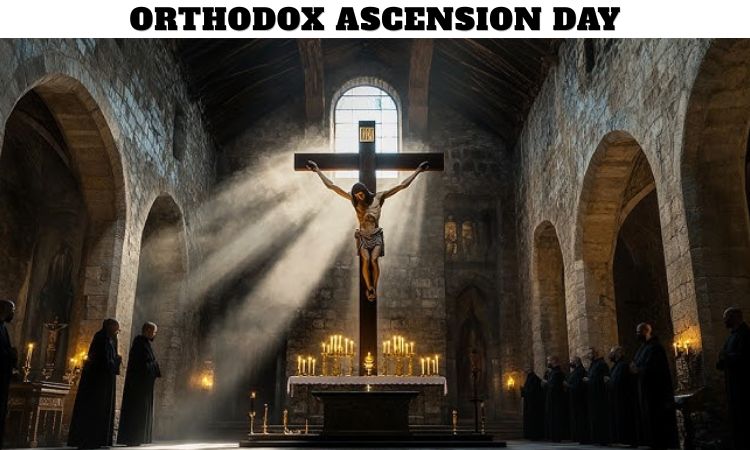
Orthodox Ascension Day is one of the most significant celebrations in the Eastern Orthodox Christian calendar. Observed forty days after Orthodox Easter, the feast commemorates the ascension of Jesus Christ into heaven following His resurrection. In 2026, Orthodox Ascension Day falls on June 4, providing believers with an opportunity to reflect on Christ’s divine nature, His victory over death, and His promise of eternal life.
This sacred feast marks the conclusion of Christ’s earthly ministry and serves as a reminder of His exaltation at the right hand of God the Father. For Orthodox Christians around the world, the day is filled with worship services, prayers, scripture readings, and spiritual reflection. The feast also prepares believers for the celebration of Pentecost, which occurs ten days later.
Orthodox Ascension Day is not only a commemoration of a historical event but also a celebration of hope, faith, and the promise of salvation that lies at the heart of Christian belief.
What Is Orthodox Ascension Day?
Orthodox Ascension Day is a Christian feast that commemorates the ascension of Jesus Christ into heaven forty days after His resurrection from the dead. According to the New Testament, after rising from the tomb on Easter, Jesus appeared to His disciples and followers over a period of forty days. During this time, He taught them about the Kingdom of God and prepared them for their mission.
The event of the Ascension is described in the books of Acts and Luke. After giving His final instructions, Jesus was taken up into heaven while His disciples watched. The event demonstrated His divine authority and marked the completion of His earthly ministry.
For Orthodox Christians, the Ascension confirms Christ’s victory over sin and death and affirms His place in heavenly glory.
Why Is Orthodox Ascension Day Celebrated Forty Days After Easter?
The timing of Orthodox Ascension Day is based directly on the biblical account found in the New Testament. The Book of Acts states that Jesus appeared to His followers for forty days after His resurrection before ascending into heaven.
The number forty carries significant meaning throughout scripture. It often symbolizes preparation, transformation, and spiritual growth. Examples include the forty days of the flood, Moses’ forty days on Mount Sinai, and Jesus’ forty days of fasting in the wilderness.
By observing Ascension Day exactly forty days after Easter, the Orthodox Church follows the timeline described in scripture and maintains an ancient Christian tradition that has been practiced for centuries.
What Is the Biblical Story Behind the Ascension?
The Ascension took place near Bethany on the Mount of Olives. According to the Gospel accounts and the Book of Acts, Jesus gathered His disciples and gave them final instructions before His departure.
He told them to remain in Jerusalem and wait for the coming of the Holy Spirit. He then blessed them and was lifted up into heaven. As the disciples watched, a cloud received Him out of their sight.
Two angels appeared and assured the disciples that Jesus would return in the future in the same manner as He had ascended. This promise became a source of hope and encouragement for the early Christian community.
The Ascension is viewed as both a historical event and a profound theological truth within Orthodox Christianity.
Why Is the Ascension Important in Orthodox Christianity?
The Ascension holds deep spiritual significance because it reveals the completion of Christ’s saving work on earth. Through His death and resurrection, Jesus conquered sin and death. Through His Ascension, He entered heavenly glory and opened the way for humanity to share in eternal life.
Orthodox theology teaches that Christ ascended not only as God but also in His glorified human nature. This demonstrates the elevation of humanity and God’s plan for salvation.
The feast reminds believers that their ultimate destiny is union with God. It encourages Christians to focus on spiritual growth while living faithfully in the world.
For many Orthodox Christians, the Ascension is a celebration of both Christ’s triumph and humanity’s hope.
How Do Orthodox Churches Celebrate Ascension Day?
Orthodox churches celebrate Ascension Day with special liturgical services that emphasize the glory and majesty of Christ. The Divine Liturgy is often the centerpiece of the celebration.
Scripture readings recount the Ascension narrative, while hymns and prayers express joy and thanksgiving. Church decorations may include icons depicting Christ ascending into heaven surrounded by angels and apostles.
Many believers attend church services, receive Holy Communion, and spend time in prayer. The feast is considered one of the Twelve Great Feasts of the Orthodox Church and holds a prominent place in the liturgical calendar.
The services focus on worship, reflection, and gratitude for Christ’s victory and divine kingship.
What Traditions Are Associated With Orthodox Ascension Day?
Traditions vary among Orthodox communities and countries, but many customs emphasize worship, fellowship, and spiritual reflection.
In some regions, families gather for festive meals after attending church services. Traditional foods may be prepared to mark the occasion and celebrate the feast day.
Many believers visit monasteries, participate in processions, or spend additional time reading scripture. Special prayers may be offered for loved ones and the wider community.
Certain cultures also associate the feast with acts of charity and kindness, reflecting Christ’s teachings about love and service.
These traditions help strengthen faith and reinforce the spiritual significance of the day.
How Does Orthodox Ascension Day Differ From Western Ascension Day?
Both Orthodox and Western Christian churches celebrate the Ascension of Jesus Christ and recognize its importance. However, the dates often differ because Eastern Orthodox churches generally follow the Julian calendar for determining Easter and related feasts, while many Western churches use the Gregorian calendar.
As a result, Orthodox Easter frequently occurs on a different date than Western Easter, causing Ascension Day to be observed at different times.
Despite the calendar differences, the theological meaning remains the same. Both traditions commemorate Christ’s ascension into heaven forty days after His resurrection and celebrate His glorification.
The shared observance reflects a common Christian belief rooted in scripture and early church tradition.
What Spiritual Lessons Can Be Learned From the Ascension?
The Ascension offers numerous spiritual lessons for believers. One of the most important is the reminder that earthly life is not the final destination for Christians. The feast points toward eternal life and the hope of resurrection.
The event also teaches trust in God’s promises. Before ascending, Jesus assured His disciples that they would receive the Holy Spirit and continue His mission. Their faithfulness despite uncertainty serves as an example for believers today.
Another lesson involves responsibility. The disciples were called to share the Gospel with the world, and Christians continue this mission through their words and actions.
The Ascension encourages faith, perseverance, and confidence in God’s plan.
Why Does Ascension Day Prepare Believers for Pentecost?
Ascension Day serves as a bridge between Easter and Pentecost. After Christ ascended into heaven, the disciples waited prayerfully for the coming of the Holy Spirit.
Ten days later, Pentecost marked the descent of the Holy Spirit upon the apostles, empowering them to preach and spread the Christian faith.
The period between Ascension and Pentecost is often viewed as a time of expectation and preparation. Believers reflect on Christ’s instructions and anticipate the work of the Holy Spirit in their lives.
This connection highlights the unity of the major events in Christian salvation history.
How Is Orthodox Ascension Day Observed Around the World?
Orthodox Christians in countries such as Greece, Russia, Serbia, Romania, Bulgaria, and many other nations observe Ascension Day with devotion and reverence.
Churches hold festive liturgies attended by large congregations. Communities gather for worship, meals, and cultural traditions that have been passed down through generations.
In some regions, public celebrations, pilgrimages, and charitable activities accompany the religious observance. While customs differ, the central focus remains the glorification of Christ and the hope of salvation.
The feast unites Orthodox Christians worldwide in a shared expression of faith.
Why Does Orthodox Ascension Day Continue to Matter Today?
Orthodox Ascension Day remains relevant because its message speaks to universal human hopes and questions. The feast proclaims victory over death, the promise of eternal life, and the assurance that God remains present with His people.
In a world often marked by uncertainty, the Ascension offers a message of hope and purpose. It reminds believers that Christ reigns in glory and continues to guide His Church.
The celebration also encourages Christians to live faithfully, serve others, and maintain confidence in God’s promises. As Orthodox believers gather on June 4, they celebrate not only a historical event but also a living faith that continues to inspire millions around the world.
Frequently Asked Questions (FAQs)
1. When is Orthodox Ascension Day in 2026?
Orthodox Ascension Day is observed on June 4, 2026.
2. What does Orthodox Ascension Day commemorate?
It commemorates the ascension of Jesus Christ into heaven forty days after His resurrection.
3. Why is Ascension Day celebrated forty days after Easter?
The Bible states that Jesus remained with His disciples for forty days after His resurrection before ascending into heaven.
4. Is Orthodox Ascension Day a major feast?
Yes, it is one of the Twelve Great Feasts of the Eastern Orthodox Church.
5. Where is the Ascension described in the Bible?
The event is described in the Gospel of Luke and the Book of Acts.
6. How do Orthodox Christians celebrate Ascension Day?
They attend church services, participate in prayers, receive Holy Communion, and reflect on the significance of the feast.
7. Why does the date differ from Western Ascension Day?
The difference usually results from varying methods of calculating Easter dates.
8. What is the connection between Ascension Day and Pentecost?
Pentecost occurs ten days after the Ascension and commemorates the coming of the Holy Spirit.
9. What spiritual message does the Ascension convey?
It emphasizes hope, eternal life, faith in God’s promises, and Christ’s victory over death.
10. Is Orthodox Ascension Day celebrated worldwide?
Yes, Orthodox Christians around the world observe the feast through worship and traditional customs.