

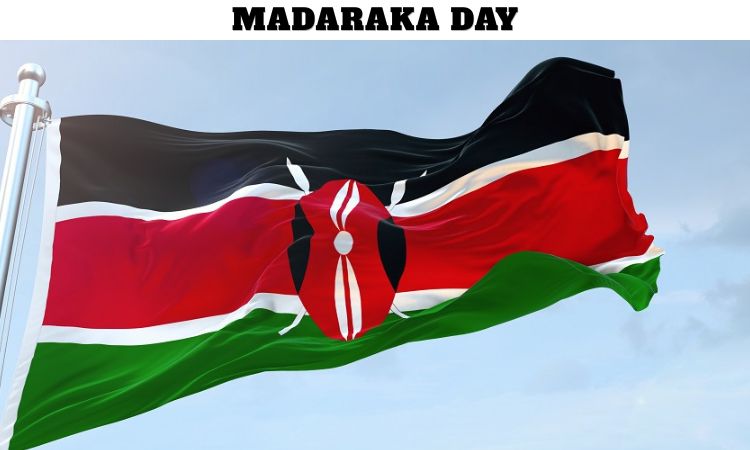
What Is Madaraka Day and Why Is It Celebrated on June 1?
Madaraka Day is one of Kenya’s most important national holidays, celebrated annually on June 1. The day commemorates a historic milestone in the country’s journey toward independence and self-governance. The word “Madaraka” is derived from the Swahili language and means “authority,” “power,” or “self-governance.” It marks the day in 1963 when Kenya attained internal self-rule from British colonial administration, paving the way for full independence later that year.
Madaraka Day is a moment for Kenyans to reflect on their nation’s struggle for freedom, recognize the sacrifices made by independence fighters, and celebrate the progress achieved since gaining self-governance. The occasion serves as a reminder of the importance of unity, democracy, and national development while inspiring future generations to contribute positively to the country’s growth.
The holiday is observed throughout Kenya with official ceremonies, cultural performances, educational programs, and community events that highlight the nation’s rich history and heritage.
How Did Kenya Reach the Historic Moment of Madaraka Day?
Kenya’s path to self-governance was shaped by decades of political activism, resistance movements, and negotiations aimed at ending colonial rule. During the colonial period, Kenya was governed by the British Empire, and many Kenyans faced social, economic, and political challenges under foreign administration.
The desire for self-determination grew steadily throughout the twentieth century. Nationalist leaders and independence movements advocated for greater representation, equal rights, and political freedom. The struggle intensified during the 1950s as demands for self-rule became stronger across the country.
Following extensive constitutional discussions and negotiations, Kenya achieved internal self-government on June 1, 1963. This significant development allowed Kenyan leaders to assume greater control over domestic affairs. The event represented a major victory in the country’s pursuit of sovereignty and laid the foundation for complete independence on December 12, 1963.
Madaraka Day therefore symbolizes a critical turning point in Kenya’s national story.
Why Is Madaraka Day Important in Kenya’s History?
Madaraka Day occupies a unique place in Kenya’s history because it marks the transition from colonial administration to local leadership. While Independence Day celebrates complete freedom from colonial rule, Madaraka Day commemorates the first major step toward achieving that goal.
The day serves as an opportunity to honor individuals who worked tirelessly to secure self-governance. Political leaders, activists, community organizers, and ordinary citizens all played important roles in advocating for change and challenging colonial structures.
Madaraka Day also highlights the values of self-determination and national responsibility. It reminds citizens that governance comes with the duty to build strong institutions, promote justice, and contribute to the well-being of society.
The celebration encourages reflection on both historical achievements and future aspirations, making it an essential part of Kenya’s national identity.
Who Were the Key Figures in Kenya’s Journey to Self-Governance?
Many individuals contributed to Kenya’s movement toward self-rule and eventual independence. Among the most notable leaders was Jomo Kenyatta, who became a prominent symbol of the independence movement and later served as the country’s first Prime Minister and President.
Other political leaders, activists, and community representatives also played significant roles in advocating for constitutional reforms and greater political representation. Their efforts helped bring attention to the aspirations of Kenyan citizens and facilitated negotiations that ultimately resulted in internal self-government.
In addition to political leaders, countless ordinary citizens contributed to the struggle through peaceful activism, community organizing, and participation in national movements seeking freedom and equality.
Madaraka Day honors all those who worked toward creating a self-governing nation and acknowledges their lasting impact on Kenya’s development.
How Is Madaraka Day Celebrated Across Kenya?
Madaraka Day celebrations take place throughout Kenya and often feature a combination of official state ceremonies and community-based activities. National commemorations typically include speeches by government leaders, military displays, cultural performances, and public gatherings that reflect the country’s diversity and achievements.
The President of Kenya usually addresses the nation during the celebrations, highlighting progress made in various sectors and outlining priorities for future development. These speeches often focus on national unity, economic growth, education, healthcare, infrastructure, and social progress.
Schools, universities, and cultural organizations may host educational programs that explore Kenya’s history and the significance of self-governance. Museums and historical institutions often organize exhibitions that showcase important events and figures from the independence movement.
Community celebrations frequently include traditional music, dance, art exhibitions, and sporting events that bring people together in a spirit of national pride.
What Does the Concept of Self-Governance Mean?
Self-governance refers to the ability of a nation to manage its own affairs through institutions and leaders chosen by its citizens. It represents a fundamental principle of democracy and national sovereignty.
For Kenya, achieving self-governance meant gaining authority over domestic policies, administrative decisions, and national development priorities. It allowed Kenyan leaders to shape the country’s future according to the needs and aspirations of its people.
The concept extends beyond political independence. It also includes economic development, social progress, civic participation, and accountability in governance. Madaraka Day highlights the importance of these principles and encourages citizens to engage actively in building a strong and prosperous nation.
Self-governance remains an ongoing responsibility that requires cooperation between government institutions, communities, and individuals.
How Has Kenya Progressed Since Madaraka Day in 1963?
Since achieving internal self-rule in 1963, Kenya has undergone significant transformation in numerous areas. The country has expanded educational opportunities, improved healthcare services, strengthened infrastructure, and developed important sectors of its economy.
Kenya has become a leading economic hub in East Africa, recognized for innovation, entrepreneurship, agriculture, tourism, and technology. Major cities have experienced substantial growth, while investments in transportation and communication have enhanced connectivity across the country.
The nation has also made progress in democratic governance, constitutional reforms, and civic participation. Challenges remain, as they do in many countries, but Madaraka Day provides an opportunity to celebrate achievements while continuing to work toward national goals.
The holiday reminds citizens that development is an ongoing process requiring dedication, collaboration, and long-term vision.
Why Does Madaraka Day Promote National Unity?
National unity is one of the central themes of Madaraka Day. Kenya is home to diverse communities, languages, cultures, and traditions. The holiday serves as a reminder that despite these differences, citizens share a common national identity and collective future.
The struggle for self-governance united people from various backgrounds around a shared objective of freedom and self-determination. Madaraka Day celebrates that spirit of cooperation and encourages continued collaboration in addressing modern challenges.
By emphasizing unity, the holiday promotes social cohesion, mutual respect, and a sense of belonging among all citizens. These values contribute to peace, stability, and sustainable development throughout the country.
The celebration encourages individuals to focus on shared aspirations while appreciating the cultural richness that strengthens Kenya’s national character.
What Lessons Can Future Generations Learn from Madaraka Day?
Madaraka Day offers valuable lessons for younger generations about leadership, perseverance, and civic responsibility. The achievements commemorated on June 1 demonstrate the importance of determination and collective action in bringing about meaningful change.
Young people can learn about the sacrifices made by previous generations and gain a deeper appreciation for the freedoms and opportunities available today. Understanding this history helps foster responsible citizenship and encourages active participation in community and national development.
The holiday also highlights the importance of education, innovation, and integrity in shaping the future. By learning from the past, future generations can contribute to building a stronger, more inclusive, and more prosperous society.
Madaraka Day serves as both a celebration of achievement and a call to continue advancing national progress.
How Does Madaraka Day Continue to Shape Kenya’s Future?
Madaraka Day remains highly relevant because it encourages reflection on the principles that guided Kenya’s journey toward self-governance. The holiday provides an opportunity to assess progress, address challenges, and reaffirm commitments to democracy, development, and national unity.
Each year, citizens are reminded that the responsibility of self-governance extends beyond government institutions. It involves active participation by individuals, communities, businesses, educators, and civil society organizations working together to improve the nation.
As Kenya continues to evolve and adapt to changing global circumstances, the values represented by Madaraka Day remain essential. Courage, resilience, cooperation, and a commitment to progress continue to guide the nation toward future success.
Celebrated every June 1, Madaraka Day stands as a powerful symbol of freedom, responsibility, and national pride. It honors the historic achievement of self-rule while inspiring future generations to build upon the foundations established by those who fought for Kenya’s right to govern itself.
Frequently Asked Questions (FAQs)
1. What is Madaraka Day?
Madaraka Day is a Kenyan national holiday that commemorates the achievement of internal self-governance on June 1, 1963.
2. When is Madaraka Day celebrated?
Madaraka Day is celebrated annually on June 1.
3. What does the word “Madaraka” mean?
Madaraka is a Swahili word meaning authority, power, or self-governance.
4. Why is Madaraka Day important?
It marks Kenya’s transition to internal self-rule and represents a major step toward full independence.
5. Is Madaraka Day the same as Independence Day?
No. Madaraka Day celebrates internal self-governance, while Independence Day marks full independence achieved on December 12, 1963.
6. Who was a key leader in Kenya’s independence movement?
Jomo Kenyatta was one of the most prominent leaders associated with Kenya’s path to self-governance and independence.
7. How do Kenyans celebrate Madaraka Day?
Celebrations include official ceremonies, speeches, cultural performances, educational programs, and community events.
8. Why is national unity emphasized on Madaraka Day?
The holiday highlights the importance of cooperation among Kenya’s diverse communities in building a strong nation.
9. What lessons does Madaraka Day teach?
It teaches the values of freedom, responsibility, perseverance, civic participation, and national development.
10. Why is Madaraka Day still relevant today?
It reminds citizens of the importance of self-governance, democracy, unity, and continued national progress.