

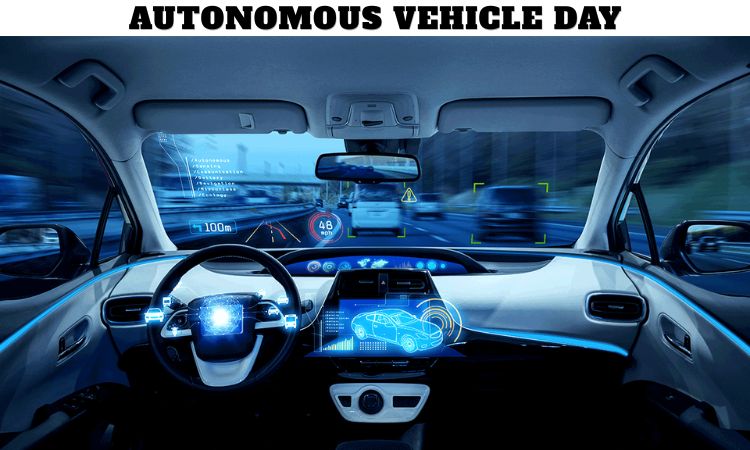
Why Is Autonomous Vehicle Day Celebrated on May 31?
Autonomous Vehicle Day, observed annually on May 31, celebrates the remarkable advancements in self-driving transportation technology and recognizes the innovators, engineers, researchers, and organizations working to transform the future of mobility. As autonomous vehicles continue to evolve, they are reshaping how people think about transportation, safety, efficiency, and connectivity.
The concept of a vehicle capable of navigating roads without direct human control was once considered science fiction. Today, advancements in artificial intelligence, machine learning, sensors, cameras, radar systems, and computing power have brought autonomous driving closer to widespread reality. Autonomous Vehicle Day provides an opportunity to explore these innovations while encouraging discussions about the future of transportation.
This observance highlights not only technological progress but also the potential societal benefits that autonomous vehicles may offer, including reduced traffic accidents, improved mobility for individuals with disabilities, greater transportation efficiency, and enhanced environmental sustainability.
What Is an Autonomous Vehicle?
An autonomous vehicle, commonly referred to as a self-driving vehicle, is a car, truck, shuttle, or other mode of transportation capable of sensing its environment and operating with varying degrees of human involvement. These vehicles use sophisticated technologies to analyze road conditions, detect obstacles, interpret traffic signals, and make driving decisions.
Autonomous vehicles rely on a combination of sensors, cameras, radar, lidar systems, GPS technology, and artificial intelligence algorithms. Together, these components create a detailed understanding of the vehicle’s surroundings and allow it to respond appropriately in real time.
Different levels of vehicle automation exist, ranging from basic driver-assistance features to fully autonomous systems that require no human intervention. As technology continues to advance, autonomous vehicles are becoming increasingly capable of handling complex driving situations.
How Did the Development of Autonomous Vehicles Begin?
The journey toward autonomous transportation spans several decades. Early research into automated vehicle systems began in the twentieth century as scientists and engineers explored methods for improving transportation safety and efficiency.
Significant progress occurred during the late twentieth and early twenty-first centuries when advances in computing, sensor technology, and artificial intelligence made autonomous driving more feasible. Universities, research institutions, automotive manufacturers, and technology companies invested heavily in developing systems capable of understanding and navigating real-world environments.
Testing programs expanded rapidly, with prototype vehicles demonstrating the ability to drive on highways, navigate urban streets, and respond to changing traffic conditions. Over time, these experiments evolved into sophisticated autonomous platforms capable of performing increasingly complex driving tasks.
Autonomous Vehicle Day recognizes this history of innovation and the ongoing efforts to refine and improve self-driving technologies.
Why Are Autonomous Vehicles Important?
Autonomous vehicles have the potential to fundamentally transform transportation systems around the world. One of their most significant advantages is the possibility of reducing accidents caused by human error.
Human mistakes such as distracted driving, fatigue, impaired judgment, and speeding contribute to a large percentage of road accidents. Autonomous systems are designed to remain continuously attentive, process information rapidly, and respond consistently to changing conditions.
Beyond safety improvements, autonomous vehicles may increase transportation accessibility for elderly individuals, people with disabilities, and those unable to drive. By providing greater mobility options, autonomous transportation could help millions of people maintain independence and access essential services.
The technology also has the potential to improve traffic flow, reduce congestion, and optimize transportation networks, leading to more efficient travel experiences.
How Do Autonomous Vehicles Work?
Autonomous vehicles operate through a complex integration of hardware and software systems. Sensors continuously monitor the surrounding environment and collect data about nearby vehicles, pedestrians, road markings, traffic signs, and obstacles.
Cameras provide visual information that helps identify objects and interpret road conditions. Radar systems measure distance and detect movement, while lidar technology creates highly detailed three-dimensional maps of the vehicle’s surroundings.
Artificial intelligence processes this information and determines appropriate driving actions. Machine learning algorithms enable the system to recognize patterns, predict potential hazards, and make decisions based on real-time conditions.
The vehicle then controls steering, acceleration, braking, and navigation through automated systems designed to execute safe and efficient driving maneuvers.
What Benefits Could Autonomous Vehicles Provide?
The potential benefits of autonomous vehicles extend across multiple aspects of society.
Safety improvements represent one of the most widely discussed advantages. By reducing reliance on human judgment and minimizing driver-related errors, autonomous systems may contribute to fewer accidents and injuries.
Transportation efficiency is another significant benefit. Autonomous vehicles can communicate with other systems, optimize routes, and maintain smoother traffic flow, potentially reducing travel times and fuel consumption.
Environmental benefits may also emerge as autonomous technologies integrate with electric vehicle systems and smart transportation infrastructure. Improved efficiency can help reduce emissions and support sustainability goals.
Economic advantages could include lower transportation costs, increased productivity during travel, and reduced expenses associated with accidents and congestion.
Autonomous vehicles may also improve access to transportation in rural areas and underserved communities, expanding mobility opportunities for many individuals.
What Challenges Do Autonomous Vehicles Face?
Despite significant progress, autonomous vehicle technology still faces important challenges.
One major challenge involves ensuring safety under all driving conditions. Weather events such as heavy rain, snow, fog, and ice can affect sensor performance and complicate navigation.
Complex urban environments present additional difficulties due to unpredictable pedestrian behavior, construction zones, and diverse traffic patterns. Autonomous systems must be capable of responding effectively to countless scenarios.
Regulatory frameworks also continue to evolve. Governments and transportation authorities must establish standards addressing safety, testing, liability, data privacy, and operational requirements.
Public trust remains another important consideration. Widespread adoption depends on consumer confidence in the reliability and safety of autonomous systems.
Addressing these challenges requires ongoing research, testing, collaboration, and technological innovation.
How Is Artificial Intelligence Transforming Autonomous Driving?
Artificial intelligence serves as the foundation of autonomous vehicle technology. Without AI, self-driving systems would be unable to interpret complex environments or make informed driving decisions.
Machine learning models analyze enormous amounts of driving data to improve object recognition, route planning, and hazard detection. These systems learn from real-world experiences and continuously refine their performance.
Artificial intelligence enables vehicles to identify pedestrians, cyclists, traffic signals, road signs, and other vehicles with increasing accuracy. It also supports predictive capabilities that help anticipate potential risks before they occur.
As AI technology advances, autonomous vehicles become more adaptable, efficient, and capable of handling diverse driving situations.
National observances such as Autonomous Vehicle Day highlight the critical role AI plays in shaping the future of transportation.
How Could Autonomous Vehicles Change Cities and Communities?
The widespread adoption of autonomous vehicles could significantly influence urban planning and community development.
Reduced parking demands may free valuable land for housing, parks, businesses, and public spaces. Improved traffic management systems could decrease congestion and enhance transportation efficiency.
Shared autonomous transportation services may reduce vehicle ownership rates and encourage more sustainable mobility models. Communities could benefit from expanded transportation options that connect residents to employment, education, healthcare, and recreational opportunities.
Autonomous delivery vehicles may also streamline logistics and improve supply chain efficiency. As technology matures, cities may integrate self-driving systems into broader smart infrastructure initiatives.
These changes have the potential to create safer, cleaner, and more connected communities.
How Can People Celebrate Autonomous Vehicle Day?
Autonomous Vehicle Day offers numerous opportunities to learn about emerging transportation technologies.
Individuals can explore educational resources, attend technology exhibitions, participate in webinars, or watch demonstrations showcasing autonomous vehicle systems. Many organizations use the day to share information about current research and future developments.
Students interested in engineering, robotics, artificial intelligence, and transportation technology can use the occasion to explore career opportunities in these growing fields.
Businesses and educational institutions may host discussions about the social, economic, and environmental impacts of autonomous transportation.
Technology enthusiasts often celebrate by following industry news, learning about innovative projects, and engaging in conversations about the future of mobility.
What Does the Future Hold for Autonomous Vehicles?
The future of autonomous vehicles appears increasingly promising as technology continues to advance. Researchers are developing more sophisticated sensors, more powerful computing systems, and increasingly intelligent algorithms capable of handling complex driving environments.
Future transportation networks may include autonomous taxis, delivery vehicles, public transit systems, and freight operations working together within connected smart infrastructure. Integration with electric vehicle technology could further support sustainability objectives.
While widespread adoption may take time, ongoing innovation continues to bring autonomous transportation closer to everyday reality. Collaboration among technology companies, automotive manufacturers, policymakers, researchers, and communities will play a crucial role in shaping this future.
Autonomous Vehicle Day serves as a celebration of human ingenuity, technological achievement, and the pursuit of safer and more efficient transportation systems. On May 31, we recognize the progress made so far while looking ahead to a future in which intelligent vehicles help transform mobility for generations to come.
Frequently Asked Questions (FAQs)
1. When is Autonomous Vehicle Day celebrated?
Autonomous Vehicle Day is celebrated annually on May 31.
2. What is an autonomous vehicle?
An autonomous vehicle is a self-driving vehicle that can navigate and operate with limited or no human intervention.
3. Why is Autonomous Vehicle Day important?
The day recognizes advancements in self-driving technology and its potential impact on transportation.
4. How do autonomous vehicles navigate roads?
They use sensors, cameras, radar, lidar, GPS, and artificial intelligence to understand and respond to their surroundings.
5. What are the main benefits of autonomous vehicles?
Potential benefits include improved safety, reduced congestion, enhanced accessibility, and increased transportation efficiency.
6. Are autonomous vehicles fully self-driving today?
Some vehicles offer advanced autonomous features, but fully autonomous transportation is still being developed and expanded.
7. What role does artificial intelligence play in autonomous vehicles?
AI helps vehicles interpret data, identify objects, make decisions, and navigate safely.
8. What challenges do autonomous vehicles face?
Challenges include safety validation, regulatory compliance, weather conditions, cybersecurity, and public trust.
9. Can autonomous vehicles help reduce traffic accidents?
They have the potential to reduce accidents caused by human error, which is a major factor in road incidents.
10. How can I celebrate Autonomous Vehicle Day?
You can learn about self-driving technology, attend educational events, follow industry developments, and explore transportation innovations.