

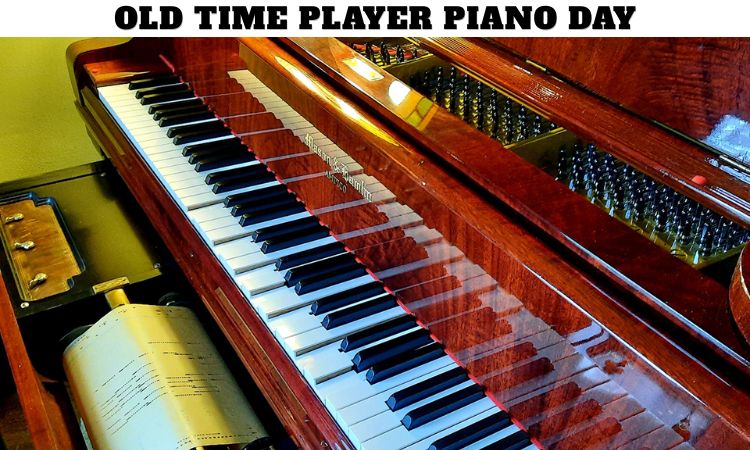
What Is Old Time Player Piano Day and Why Is It Celebrated on May 27?
Old Time Player Piano Day is celebrated every year on May 27 to honor the rich musical heritage and historical significance of player pianos. This special observance recognizes the role player pianos played in bringing music into homes, theaters, saloons, restaurants, and public spaces during the late nineteenth and early twentieth centuries.
Player pianos revolutionized entertainment by allowing music to be performed automatically without requiring advanced piano skills. Using perforated paper rolls and mechanical systems, these instruments could reproduce songs with impressive accuracy and expression.
The celebration encourages music lovers, historians, collectors, musicians, and antique enthusiasts to appreciate the craftsmanship, innovation, and cultural influence of these remarkable instruments. Old Time Player Piano Day also highlights the importance of preserving vintage musical technology for future generations.
The day reminds people of an era when mechanical music filled homes and communities with joy, long before modern digital entertainment became common.
What Is a Player Piano and How Does It Work?
A player piano is a self-playing piano that uses a pneumatic or mechanical system to perform music automatically. Instead of requiring a pianist to press the keys manually, the instrument reads specially designed perforated paper rolls that control which notes are played.
The paper roll moves across a tracking system inside the piano. As air passes through the perforations, pneumatic mechanisms activate corresponding piano keys and pedals. This process allows the instrument to recreate musical performances with rhythm, melody, and dynamic expression.
Some player pianos still allow manual playing, while others were designed mainly for automated performance.
The technology behind player pianos represented a major innovation during the early twentieth century because it allowed families to enjoy sophisticated music performances at home without hiring musicians or learning advanced piano techniques.
Player pianos became symbols of entertainment, luxury, and musical accessibility.
What Is the History Behind the Player Piano?
The history of player pianos dates back to the late nineteenth century during a period of rapid technological innovation and industrial growth. Inventors experimented with automatic musical devices long before electricity and digital systems transformed entertainment.
By the early 1900s, player pianos had become extremely popular in homes and public venues across Europe and North America. Advances in manufacturing allowed companies to produce more affordable and reliable instruments for middle-class households.
The popularity of player pianos grew because they provided entertainment during an era before radio, television, and streaming music. Families gathered around these instruments to enjoy popular songs, ragtime music, classical compositions, and dance tunes.
The player piano industry reached its peak during the 1910s and 1920s. However, the rise of radio broadcasts, phonographs, and later electronic entertainment gradually reduced demand for mechanical pianos.
Despite this decline, player pianos remain highly respected today as important examples of musical and engineering history.
Why Were Player Pianos So Popular in the Early Twentieth Century?
Player pianos became popular because they made music accessible to people regardless of musical skill. Families could enjoy professional-quality performances in their homes simply by inserting a paper roll and operating the pedals.
Several factors contributed to their success:
- Affordable home entertainment
- Access to popular songs
- Elegant furniture design
- Mechanical innovation
- Social gathering opportunities
- Musical education value
Before recorded music became widely available, player pianos offered one of the best ways to experience live-style performances at home.
They also became centerpieces of social events and family gatherings. Guests often sang along, danced, or enjoyed listening to famous songs played automatically.
The instruments combined technology and artistry in ways that fascinated audiences during a time of rapid modernization.
How Did Player Pianos Influence Music and Entertainment Culture?
Player pianos had a major impact on music culture because they helped popularize songs and musical genres across different communities. They introduced people to ragtime, jazz, classical music, and theatrical compositions in homes and businesses worldwide.
Music roll companies produced thousands of song rolls featuring popular artists and composers. This allowed people to experience performances they otherwise may never have heard.
Player pianos also contributed to music education by helping listeners understand rhythm, melody, and musical structure.
Dance halls, silent movie theaters, restaurants, and hotels frequently used player pianos for entertainment. Before sound films became common, player pianos often accompanied silent movies, creating atmosphere and emotional impact during screenings.
The instruments played an important role in shaping early modern entertainment culture.
What Types of Music Were Commonly Played on Player Pianos?
Player pianos were capable of performing many musical styles, making them versatile entertainment instruments.
Popular genres included:
- Ragtime music
- Jazz
- Classical compositions
- Waltzes
- Dance music
- Folk songs
- Broadway tunes
- Patriotic music
Ragtime became especially associated with player pianos because of its energetic rhythms and popularity during the early twentieth century.
Classical music lovers also enjoyed hearing famous works reproduced automatically in their homes. Some advanced player piano systems even recreated performances by celebrated pianists.
The variety of available music rolls helped player pianos appeal to broad audiences with different musical tastes.
Why Are Antique Player Pianos Still Valued Today?
Antique player pianos remain highly valued because of their historical significance, craftsmanship, and nostalgic charm. Collectors and restoration experts admire the detailed woodworking, intricate mechanical systems, and artistic design found in vintage instruments.
Many antique player pianos are considered both musical instruments and decorative furniture pieces. Their elegant cabinets and handcrafted details reflect the artistry of early twentieth-century manufacturing.
Collectors also appreciate the connection player pianos provide to historical music traditions and entertainment culture.
Restored instruments continue to perform today, allowing modern audiences to experience authentic mechanical music from a bygone era.
The preservation of player pianos helps protect an important chapter of music and technological history.
How Do People Celebrate Old Time Player Piano Day?
People celebrate Old Time Player Piano Day through music appreciation activities, historical education, and vintage instrument events.
Popular celebration ideas include:
- Visiting museums with player piano exhibits
- Listening to vintage piano recordings
- Attending restoration demonstrations
- Playing antique piano rolls
- Learning about music history
- Watching documentaries about mechanical instruments
- Visiting antique shops or musical collections
Some collectors host gatherings where guests can hear restored player pianos in action. Music historians and preservation organizations also use the day to educate the public about antique musical technology.
The celebration combines entertainment, nostalgia, craftsmanship, and historical appreciation.
What Makes Player Pianos Different From Modern Digital Pianos?
Player pianos differ significantly from modern digital pianos because they rely on mechanical and pneumatic systems instead of electronic technology.
Key differences include:
- Use of perforated paper rolls
- Mechanical air-powered operation
- Acoustic piano sound production
- Vintage craftsmanship
- Manual pedal operation
Modern digital pianos use electronic sensors, speakers, and digital recordings to recreate sounds. Player pianos, however, produce music through real piano strings and hammers activated mechanically.
This authentic acoustic quality gives player pianos a unique character and historical charm that many collectors and musicians deeply appreciate.
Their mechanical complexity also reflects an era of engineering innovation before computerized systems existed.
How Are Vintage Player Pianos Restored and Preserved?
Restoring a player piano requires specialized knowledge, patience, and craftsmanship. Many antique instruments require repairs due to aging materials, worn mechanical parts, and damaged pneumatic systems.
Restoration experts often repair:
- Bellows systems
- Wooden components
- Piano strings
- Hammers and keys
- Paper roll mechanisms
- Decorative finishes
Some restorers also reproduce historical paper rolls to preserve rare musical performances.
Museums, collectors, and historical societies play important roles in preserving player pianos for educational and cultural purposes.
Proper restoration allows these instruments to continue functioning while maintaining their historical authenticity.
Why Are Player Pianos Important in Music History?
Player pianos represent an important transition between live-only musical performance and modern recorded entertainment. They introduced automated music into homes decades before electronic audio systems became common.
Their influence extended beyond entertainment because they also shaped music distribution, composition, and listening habits.
The instruments helped democratize music by making performances accessible to wider audiences regardless of musical training or economic background.
Player pianos also contributed to the preservation of historical performances through specially arranged piano rolls.
Music historians consider player pianos valuable examples of how technology transformed artistic experiences during the industrial age.
How Did Player Pianos Influence Silent Films and Public Entertainment?
During the silent film era, player pianos became essential tools for creating atmosphere in movie theaters. Theater owners used them to provide musical accompaniment during film screenings.
The instruments helped enhance emotional scenes, dramatic moments, and comedic sequences before synchronized sound technology existed.
Player pianos were also popular in:
- Dance halls
- Restaurants
- Hotels
- Saloons
- Public gathering spaces
Their ability to continuously provide music made them practical entertainment solutions for businesses and venues.
This widespread public use contributed significantly to the popularity of player pianos during the early twentieth century.
Why Does Old Time Player Piano Day Continue to Matter Today?
Old Time Player Piano Day remains important because it preserves awareness of musical history, mechanical craftsmanship, and cultural innovation. In an age dominated by digital technology, player pianos remind people of the creativity and engineering achievements of earlier generations.
The observance also highlights the importance of preserving antique instruments and supporting music education.
Many people appreciate player pianos because they combine art, technology, history, and nostalgia into one remarkable invention.
The celebration encourages future generations to explore historical music traditions while recognizing the role mechanical instruments played in shaping modern entertainment culture.
Old Time Player Piano Day continues inspiring admiration for the timeless beauty and ingenuity of vintage musical craftsmanship.
Frequently Asked Questions (FAQs)
1. When is Old Time Player Piano Day celebrated?
Old Time Player Piano Day is celebrated every year on May 27.
2. What is a player piano?
A player piano is a self-playing piano that uses perforated paper rolls and mechanical systems to perform music automatically.
3. Why were player pianos popular?
They provided affordable home entertainment and allowed people to enjoy music without advanced piano skills.
4. How does a player piano work?
The piano reads perforated paper rolls that activate keys through pneumatic or mechanical systems.
5. What music was commonly played on player pianos?
Popular genres included ragtime, jazz, classical music, waltzes, and Broadway tunes.
6. Are player pianos still made today?
Some modern reproductions and restored antique player pianos still exist today.
7. Why are antique player pianos valuable?
They are valued for their craftsmanship, historical importance, and musical heritage.
8. How do people celebrate Old Time Player Piano Day?
People celebrate by listening to player pianos, visiting museums, and learning about musical history.
9. What role did player pianos play in silent films?
They provided musical accompaniment for silent movie screenings before synchronized sound technology.
10. Why are player pianos important in music history?
They helped make music accessible to wider audiences and influenced early entertainment culture.