

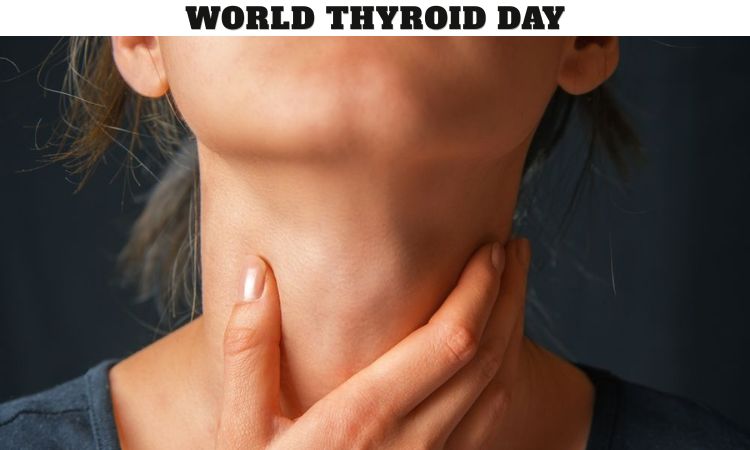
What Is World Thyroid Day and Why Is It Celebrated on May 25?
World Thyroid Day, observed every year on May 25, is an international health awareness event dedicated to educating people about thyroid health, thyroid diseases, prevention, diagnosis, and treatment. The day aims to increase awareness about the importance of the thyroid gland and encourage early detection of thyroid-related conditions that affect millions of people worldwide.
The thyroid is a small butterfly-shaped gland located in the neck, but it plays a major role in regulating metabolism, energy production, body temperature, heart rate, growth, and hormonal balance. When the thyroid does not function properly, it can lead to serious health complications that affect physical and mental well-being.
World Thyroid Day was established to highlight the growing global burden of thyroid disorders and to encourage better public understanding of symptoms, risk factors, and treatment options. The observance also supports healthcare professionals, researchers, patient advocacy groups, and medical organizations working to improve thyroid care and awareness.
People around the world mark the day through health campaigns, educational seminars, medical screenings, online awareness programs, and community activities focused on promoting thyroid health and encouraging regular medical checkups.
Why Is the Thyroid Gland Important for Overall Health?
The thyroid gland plays a critical role in maintaining the body’s overall health and balance. It produces hormones known as thyroxine (T4) and triiodothyronine (T3), which regulate many essential body functions.
These hormones help control metabolism, which is the process by which the body converts food into energy. They also influence heart function, digestion, muscle control, brain development, bone health, and reproductive systems.
Because thyroid hormones affect nearly every organ in the body, even small changes in thyroid function can cause noticeable health problems. An underactive thyroid can slow bodily functions, while an overactive thyroid can speed them up excessively.
Proper thyroid function is especially important during childhood, adolescence, pregnancy, and aging because hormonal balance directly impacts growth, energy levels, and cognitive function.
World Thyroid Day reminds people that maintaining thyroid health is essential for overall physical and emotional well-being.
What Are the Most Common Thyroid Disorders?
Several thyroid disorders affect millions of people worldwide. The most common conditions include hypothyroidism, hyperthyroidism, thyroid nodules, goiter, thyroiditis, and thyroid cancer.
Hypothyroidism occurs when the thyroid gland does not produce enough hormones. This condition slows metabolism and may cause fatigue, weight gain, depression, dry skin, hair loss, and sensitivity to cold temperatures.
Hyperthyroidism happens when the thyroid produces excessive hormones. Symptoms may include rapid heartbeat, anxiety, weight loss, sweating, irritability, and difficulty sleeping.
A goiter refers to an enlarged thyroid gland that may develop due to iodine deficiency or other thyroid conditions.
Thyroid nodules are lumps that form within the thyroid gland. Most are noncancerous, but some may require medical evaluation and monitoring.
Thyroid cancer is less common but can usually be treated successfully if detected early.
World Thyroid Day encourages people to understand these conditions and seek medical attention if symptoms appear.
What Are the Warning Signs of Thyroid Problems?
Thyroid disorders often develop gradually, making symptoms easy to overlook or mistake for other health issues. Recognizing early warning signs is important for timely diagnosis and treatment.
Common symptoms of hypothyroidism include fatigue, unexplained weight gain, slow heart rate, memory problems, constipation, dry skin, and depression. Some people may also experience swelling in the neck or face.
Hyperthyroidism may cause symptoms such as nervousness, rapid heartbeat, tremors, increased sweating, unexplained weight loss, mood changes, and heat intolerance.
In some cases, thyroid disorders may lead to visible swelling in the neck due to enlargement of the thyroid gland.
Women are more likely than men to experience thyroid disorders, especially during pregnancy, menopause, or after childbirth. However, thyroid conditions can affect people of all ages and genders.
World Thyroid Day highlights the importance of recognizing symptoms early and consulting healthcare professionals for proper evaluation.
Why Is Early Diagnosis of Thyroid Disorders Important?
Early diagnosis plays a crucial role in preventing complications associated with thyroid diseases. Untreated thyroid disorders can affect cardiovascular health, mental health, fertility, pregnancy outcomes, and overall quality of life.
For example, untreated hypothyroidism may increase the risk of heart disease, high cholesterol, and severe fatigue. In children, thyroid hormone deficiencies can affect growth and brain development.
Untreated hyperthyroidism may lead to heart rhythm problems, osteoporosis, muscle weakness, and thyroid storm, which is a potentially life-threatening condition.
Regular medical checkups and thyroid function tests can help detect problems before they become severe. Blood tests measuring TSH, T3, and T4 hormone levels are commonly used to evaluate thyroid function.
World Thyroid Day encourages people to prioritize preventive healthcare and seek medical advice if they experience symptoms or have a family history of thyroid disease.
How Does Diet Affect Thyroid Health?
Nutrition plays an important role in supporting thyroid function. The thyroid gland requires essential nutrients, especially iodine, selenium, zinc, and iron, to produce hormones effectively.
Iodine is particularly important because the thyroid uses it to create thyroid hormones. Iodized salt, seafood, dairy products, and eggs are common dietary sources of iodine.
Selenium helps protect the thyroid gland from oxidative damage and supports hormone metabolism. Foods such as Brazil nuts, fish, sunflower seeds, and whole grains contain selenium.
A balanced diet rich in fruits, vegetables, lean proteins, and healthy fats can help maintain overall hormonal balance and support thyroid health.
In some cases, excessive iodine intake or certain dietary deficiencies may contribute to thyroid dysfunction. Therefore, it is important to maintain balanced nutrition and consult healthcare professionals before taking supplements.
World Thyroid Day promotes awareness about the connection between nutrition and endocrine health.
How Are Thyroid Disorders Diagnosed and Treated?
Doctors diagnose thyroid disorders using a combination of medical history, physical examinations, blood tests, imaging scans, and sometimes biopsies.
Blood tests measuring thyroid-stimulating hormone (TSH), T3, and T4 levels are commonly used to identify hormonal imbalances. Ultrasound imaging may be recommended to examine thyroid nodules or gland enlargement.
Treatment depends on the type and severity of the thyroid condition. Hypothyroidism is usually treated with hormone replacement medication that restores normal thyroid hormone levels.
Hyperthyroidism may be treated with medications, radioactive iodine therapy, or surgery in severe cases.
Thyroid nodules and thyroid cancer may require monitoring, biopsy procedures, surgery, or specialized treatments depending on medical evaluation.
Most thyroid disorders can be managed successfully with proper medical care, lifestyle adjustments, and regular monitoring.
World Thyroid Day emphasizes the importance of accurate diagnosis and access to quality healthcare services.
Why Is Thyroid Awareness Especially Important for Women?
Women are significantly more likely to develop thyroid disorders compared to men. Hormonal changes during menstruation, pregnancy, childbirth, and menopause can influence thyroid function and increase risk factors.
Thyroid disorders may affect fertility, menstrual cycles, pregnancy outcomes, and postpartum health. Untreated thyroid problems during pregnancy can impact both maternal health and fetal development.
Symptoms such as fatigue, mood changes, and weight fluctuations are sometimes dismissed as normal hormonal changes, causing thyroid disorders to go undiagnosed.
Regular screening and awareness are especially important for women with family histories of thyroid disease or autoimmune disorders.
World Thyroid Day encourages women to pay close attention to thyroid health and seek medical guidance when symptoms arise.
How Do Healthcare Organizations Observe World Thyroid Day?
Healthcare organizations around the world use World Thyroid Day to educate communities and promote preventive healthcare practices. Hospitals, clinics, universities, and medical associations organize awareness campaigns focused on thyroid diseases and endocrine health.
Free health screenings, blood test camps, seminars, webinars, and educational workshops are commonly held during the observance. Experts often provide guidance about symptoms, diagnosis, treatment options, and healthy lifestyle habits.
Social media campaigns also play a major role in spreading awareness. Medical professionals and advocacy groups share educational content, patient stories, and informational resources to reach wider audiences.
Many organizations focus on reducing stigma and misinformation surrounding thyroid disorders while encouraging early diagnosis and medical support.
The day serves as a global platform for promoting public health education and improving access to thyroid care.
How Can People Protect and Support Their Thyroid Health?
People can support thyroid health by maintaining healthy lifestyle habits and staying informed about risk factors and symptoms. Eating a balanced diet, exercising regularly, managing stress, and attending routine medical checkups are all important for endocrine health.
Avoiding excessive smoking and limiting unnecessary exposure to environmental toxins may also help reduce thyroid-related risks.
Individuals with family histories of thyroid disease should consider discussing screening options with healthcare professionals, especially if symptoms develop.
Stress management is another important factor because chronic stress can influence hormonal balance and overall well-being.
World Thyroid Day encourages people to take proactive steps toward preventive healthcare and prioritize long-term wellness through education and regular monitoring.
Why Does World Thyroid Day Continue to Matter Globally?
World Thyroid Day remains highly important because thyroid disorders affect millions of people worldwide, yet many cases remain undiagnosed or untreated. Increased awareness helps improve early detection, treatment outcomes, and public understanding of endocrine health.
The observance also highlights the importance of healthcare access, medical research, and patient support systems. By promoting education and encouraging regular screenings, World Thyroid Day contributes to better global health outcomes.
As modern lifestyles, dietary patterns, and environmental factors continue to influence endocrine health, awareness campaigns become even more valuable in helping people recognize symptoms and seek timely care.
World Thyroid Day serves as a reminder that even small glands can have a major impact on overall health, energy, and quality of life.
Frequently Asked Questions (FAQs)
1. When is World Thyroid Day celebrated?
World Thyroid Day is observed every year on May 25.
2. What is the purpose of World Thyroid Day?
The day promotes awareness about thyroid health, thyroid disorders, diagnosis, and treatment.
3. What does the thyroid gland do?
The thyroid regulates metabolism, energy production, hormones, heart rate, and body temperature.
4. What are the most common thyroid disorders?
Common disorders include hypothyroidism, hyperthyroidism, goiter, thyroid nodules, and thyroid cancer.
5. What are symptoms of hypothyroidism?
Symptoms may include fatigue, weight gain, dry skin, depression, and sensitivity to cold.
6. What are symptoms of hyperthyroidism?
Symptoms may include rapid heartbeat, anxiety, sweating, weight loss, and nervousness.
7. Why is early diagnosis important for thyroid disorders?
Early diagnosis helps prevent complications and improves treatment outcomes.
8. Are women more likely to develop thyroid problems?
Yes, women are more likely than men to experience thyroid disorders.
9. How are thyroid disorders diagnosed?
Doctors use blood tests, physical exams, ultrasounds, and other medical evaluations.
10. How can people support thyroid health?
People can support thyroid health through balanced nutrition, exercise, regular checkups, and stress management.