

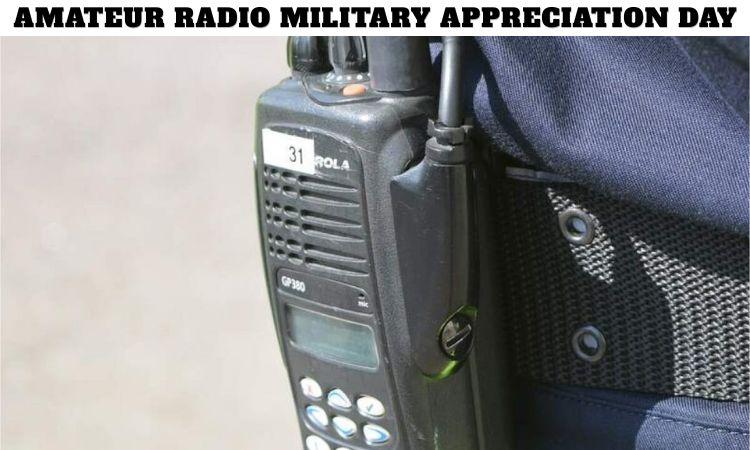
What Is Amateur Radio Military Appreciation Day and Why Is It Celebrated on May 23?
Amateur Radio Military Appreciation Day, observed annually on May 23, honors the connection between amateur radio operators and military communication services. The day recognizes the important role amateur radio, also known as ham radio, has played in supporting military communication, emergency response, public service, and technological innovation throughout history.
The observance highlights the contributions of amateur radio operators who have assisted military personnel during wartime, emergencies, natural disasters, and communication failures. It also celebrates veterans who became amateur radio enthusiasts after serving in military communication units.
Amateur Radio Military Appreciation Day promotes awareness about the value of radio communication skills, technical education, and community preparedness. It reminds us that even in the age of smartphones and satellite systems, amateur radio remains a reliable and essential communication method during emergencies and crises.
The day also serves as a tribute to military personnel whose communication expertise influenced the development and advancement of radio technology worldwide.
How Did Amateur Radio Become Connected to the Military?
The relationship between amateur radio and the military dates back to the early twentieth century when radio communication technology was rapidly evolving. Amateur radio operators were among the first people experimenting with wireless communication systems before modern broadcasting became widespread.
During World War I and World War II, many amateur radio operators served in military communication roles because of their technical knowledge and radio operating skills. Governments recognized that licensed ham radio operators already understood radio frequencies, signal transmission, and equipment operation.
Military organizations relied heavily on trained radio personnel for:
- Battlefield communication
- Ship-to-ship communication
- Emergency coordination
- Aircraft communication
- Intelligence operations
- Long-distance signal transmission
After returning from military service, many veterans continued participating in amateur radio as a hobby and public service activity. This created a strong historical connection between the amateur radio community and military communication services.
What Is Amateur Radio?
Amateur radio is a licensed communication service that allows individuals to communicate using designated radio frequencies for personal, educational, and emergency purposes. Amateur radio operators use specialized equipment to transmit voice, text, images, and digital signals over short and long distances.
Unlike commercial broadcasting, amateur radio focuses on experimentation, communication training, public service, and community support.
Amateur radio operators often communicate across:
- Local neighborhoods
- States and provinces
- Countries
- Continents
- Oceans
- Space satellites
The hobby attracts people interested in technology, electronics, engineering, emergency preparedness, and communication systems.
Operators must typically pass licensing exams that test their knowledge of radio regulations, operating procedures, and technical principles.
Why Is Amateur Radio Important During Emergencies?
Amateur radio remains one of the most dependable communication systems during disasters and emergencies because it can operate independently of internet services, mobile networks, and standard infrastructure.
When hurricanes, earthquakes, floods, or power outages disrupt normal communication systems, amateur radio operators often provide emergency communication support for communities and relief agencies.
Amateur radio can function using:
- Battery power
- Portable generators
- Solar energy
- Mobile radio stations
Emergency communication teams assist with:
- Disaster coordination
- Rescue operations
- Health and welfare messages
- Emergency supply requests
- Public safety information
Military organizations have historically valued radio communication skills because reliable communication is critical during crisis situations. Amateur radio operators continue supporting emergency response organizations worldwide.
How Did Amateur Radio Support Military Operations Historically?
Amateur radio skills became especially valuable during major global conflicts. During both World Wars, governments restricted civilian radio use while recruiting experienced radio operators for military communication duties.
Radio operators handled essential wartime communication tasks including:
- Sending coded messages
- Relaying troop information
- Monitoring signals
- Coordinating naval operations
- Supporting aviation communication
- Maintaining battlefield communication networks
Military communication systems during the early twentieth century depended heavily on radio technology because long-distance communication alternatives were limited.
Many innovations developed for military communication later influenced civilian amateur radio technology. Veterans with military radio experience helped expand amateur radio communities after returning home.
This historical relationship remains one of the key reasons Amateur Radio Military Appreciation Day is celebrated today.
What Skills Do Amateur Radio Operators Learn?
Amateur radio operators develop a wide range of technical and practical skills. Many of these abilities overlap with skills historically valued in military communication units.
Important amateur radio skills include:
- Radio frequency management
- Signal transmission
- Antenna construction
- Emergency communication procedures
- Electronics troubleshooting
- Morse code operation
- Digital communication systems
- Public service coordination
These skills promote technical education, problem-solving, and preparedness. Many students and technology enthusiasts use amateur radio as a pathway into careers involving engineering, telecommunications, cybersecurity, and emergency management.
The educational aspect of amateur radio continues to attract people interested in science and communication technology.
How Is Amateur Radio Military Appreciation Day Celebrated?
Amateur Radio Military Appreciation Day is celebrated through radio events, military tributes, educational programs, and community activities. Amateur radio clubs and veteran organizations often organize special events to recognize the shared history between radio operators and military service personnel.
Popular celebration activities include:
- Hosting amateur radio demonstrations
- Honoring military veterans
- Participating in emergency communication drills
- Operating commemorative radio stations
- Teaching radio communication skills
- Visiting military museums
- Sharing historical radio stories
- Supporting veteran organizations
Some amateur radio groups also organize contests or special transmissions dedicated to military appreciation themes.
The observance encourages public understanding of communication history and the ongoing importance of emergency preparedness.
Why Does Amateur Radio Continue to Matter in the Digital Age?
Despite the rise of smartphones, internet communication, and satellite technology, amateur radio remains highly relevant because it provides independent and reliable communication capabilities.
Unlike internet-based systems, amateur radio does not rely entirely on centralized infrastructure. Operators can establish communication networks even when standard services fail.
Amateur radio also supports:
- Technical education
- Community service
- Disaster preparedness
- Scientific experimentation
- International friendship
- Space communication projects
Organizations such as NASA have collaborated with amateur radio programs to support educational communication with astronauts aboard the International Space Station.
The flexibility and reliability of amateur radio continue making it valuable in both civilian and emergency environments.
How Has Military Communication Technology Influenced Amateur Radio?
Military communication advancements have greatly influenced the development of amateur radio technology over the years. Innovations originally designed for defense purposes later became available to civilian radio operators.
Military research contributed to improvements in:
- Signal clarity
- Portable radio equipment
- Antenna systems
- Frequency management
- Digital communication modes
- Satellite communication
Many amateur radio enthusiasts enjoy experimenting with technologies inspired by military and aerospace communication systems.
At the same time, amateur radio experimentation has occasionally contributed ideas and innovations later adopted by professional communication industries.
This exchange of knowledge strengthened the long-standing relationship between amateur radio communities and military communication development.
What Role Do Veterans Play in Amateur Radio Communities?
Military veterans have historically played an important role in amateur radio communities because many gained communication experience during service. After leaving the military, veterans often continued exploring radio technology through amateur radio licensing and club participation.
Veterans contribute valuable experience in:
- Communication discipline
- Emergency procedures
- Technical troubleshooting
- Leadership
- Public service coordination
Many amateur radio organizations actively support veterans and collaborate with military appreciation events throughout the year.
The connection between veterans and amateur radio helps preserve communication history while promoting technical learning and community involvement.
Why Is Amateur Radio Military Appreciation Day Important Today?
Amateur Radio Military Appreciation Day remains important because it honors both historical service and modern preparedness. The observance recognizes how communication technology and skilled radio operators have supported military operations, disaster response, and public safety for generations.
The day also promotes awareness about the importance of emergency communication systems in an increasingly technology-dependent world. While modern digital networks are powerful, amateur radio continues providing backup communication capabilities during emergencies.
The observance encourages younger generations to learn technical skills, appreciate military communication history, and support community preparedness initiatives.
Amateur Radio Military Appreciation Day reminds us that communication remains one of the most critical tools for safety, coordination, and resilience during challenging times.
Frequently Asked Questions (FAQs)
1. When is Amateur Radio Military Appreciation Day celebrated?
Amateur Radio Military Appreciation Day is celebrated every year on May 23.
2. What is amateur radio?
Amateur radio is a licensed communication service that allows individuals to communicate using designated radio frequencies for educational, personal, and emergency purposes.
3. Why is amateur radio connected to the military?
Many amateur radio operators served in military communication roles during wars and emergencies because of their technical radio skills.
4. What is another name for amateur radio?
Amateur radio is commonly called ham radio.
5. Why is amateur radio important during disasters?
Amateur radio can operate independently of internet and cellular networks, making it valuable during emergencies and communication failures.
6. Do amateur radio operators need a license?
Yes, most countries require amateur radio operators to pass licensing examinations before transmitting.
7. What skills do amateur radio operators learn?
Operators learn communication procedures, electronics, signal transmission, emergency response skills, and radio technology.
8. How did amateur radio help during wars?
Radio operators handled military communication, message transmission, coordination, and emergency signaling during wartime operations.
9. Can amateur radio communicate internationally?
Yes, amateur radio operators can communicate across countries and continents depending on equipment and atmospheric conditions.
10. Why is Amateur Radio Military Appreciation Day important?
The observance honors military communication history, emergency preparedness, and the contributions of amateur radio operators and veterans.