

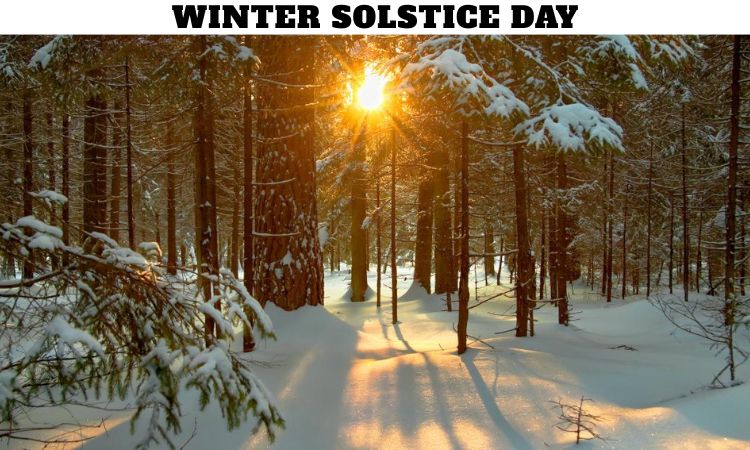
We recognize Winter Solstice Day as the most significant astronomical moment of the winter season, occurring between December 20 and December 23 each year. It marks the day when the Northern Hemisphere experiences the shortest daylight hours and the longest night, symbolizing a powerful transition from darkness toward returning light. This celestial event is not merely a date on the calendar; it is a profound turning point deeply embedded in astronomy, culture, spirituality, agriculture, and human history.
Winter Solstice Day represents balance, renewal, and endurance. From ancient civilizations to modern societies, we observe this day as a reminder that even in the deepest darkness, the cycle of light continues.
Astronomical Significance of the Winter Solstice
The Winter Solstice occurs when the Earth’s axial tilt positions the Northern Hemisphere farthest from the Sun. On this day, the Sun reaches its southernmost point in the sky, appearing at its lowest arc during the year. As a result:
Daylight duration is at its minimum
Nighttime is at its maximum
The Sun appears to “stand still” before gradually reversing direction
This phenomenon is the reason the term solstice originates from the Latin solstitium, meaning “sun standing still.” After this pivotal day, daylight hours begin to increase incrementally, signifying the gradual return of warmth and brightness.
Why Winter Solstice Falls Between December 20 and 23?
We note that Winter Solstice Day does not occur on a fixed date due to variations in Earth’s orbit and the Gregorian calendar. Leap years, orbital mechanics, and gravitational influences cause the solstice to shift each year, placing it anywhere from December 20 to December 23.
Despite the changing date, the meaning remains unchanged: it is the astronomical beginning of winter and the foundation for seasonal transitions worldwide.
Cultural Importance Across Civilizations
Ancient Observances and Sacred Architecture
We find evidence of Winter Solstice reverence in ancient structures precisely aligned with the Sun’s position. Sites such as Stonehenge, Newgrange, and Machu Picchu were engineered to capture the solstice sunrise or sunset, demonstrating humanity’s early understanding of celestial cycles.
These monuments reveal how ancient cultures viewed the solstice as a sacred moment of cosmic order, linking human life with the universe.
Winter Solstice in Pagan and Indigenous Traditions
Many pagan and indigenous cultures celebrate the Winter Solstice as a festival of rebirth. Known as Yule in Norse traditions, this celebration honors the rebirth of the Sun and the promise of longer days. Rituals often include:
Lighting fires or candles to symbolize returning light
Decorating evergreen trees as symbols of life
Sharing communal feasts during the darkest period
These practices influenced many modern winter traditions still observed today.
Spiritual Meaning of Winter Solstice Day
We regard Winter Solstice Day as a deeply spiritual threshold. It represents stillness, introspection, and renewal. As nature pauses in dormancy, humanity is encouraged to reflect, release the past, and prepare for growth.
Key symbolic meanings include:
Darkness before renewal
Endurance through hardship
Hope and transformation
Across spiritual philosophies, this day serves as a reminder that cycles of loss and gain are essential for balance.
Winter Solstice and Seasonal Traditions
Connection to Global Festivals
Many globally recognized winter festivals trace their roots to the solstice period. Celebrations emphasizing light, warmth, and togetherness naturally align with the human response to the year’s darkest days. Shared themes include:
Illumination through lamps, candles, and fires
Family gatherings and communal meals
Honoring gratitude, resilience, and hope
These traditions transcend borders, highlighting the solstice’s universal relevance.
Agricultural Relevance of the Winter Solstice
We understand that for agrarian societies, the Winter Solstice historically signaled a critical agricultural marker. It represented the completion of the harvest season and the beginning of a period of rest for the land.
Farmers used this time to:
Plan future planting cycles
Preserve harvested food
Observe natural indicators for seasonal predictions
Even in modern times, the solstice remains symbolically connected to sustainability and respect for natural rhythms.
Scientific Impact on Climate and Nature
Although the Winter Solstice marks the shortest day, it does not correspond with the coldest temperatures. This lag occurs because oceans and land masses retain heat, gradually releasing it over time.
Nonetheless, the solstice initiates:
Increasing solar exposure
Gradual lengthening of daylight
Subtle changes in ecosystems and wildlife behavior
Animals adapt through migration, hibernation, or altered feeding patterns, reflecting the solstice’s ecological influence.
Winter Solstice in the Modern World
Today, we observe Winter Solstice Day through a blend of scientific awareness and cultural appreciation. Educational institutions, astronomers, wellness practitioners, and spiritual communities all acknowledge this day as a moment of cosmic alignment and human connection.
Modern observances may include:
Sunrise and sunset viewings
Meditation and mindfulness practices
Seasonal wellness rituals
Educational astronomy events
Despite technological advancement, humanity remains deeply connected to the Sun’s cycle.
Psychological and Emotional Significance
We recognize the psychological importance of Winter Solstice Day in addressing seasonal emotional shifts. Shorter daylight hours can impact mood, energy levels, and mental well-being. The solstice serves as reassurance that the cycle is turning toward light once again.
This awareness fosters:
Emotional resilience
Renewed motivation
Mental clarity through reflection
It encourages individuals to align their inner rhythms with nature’s progression.
Symbolism of Light Returning After Darkness
At its core, Winter Solstice Day embodies hope. From this point forward, each day brings slightly more light, reinforcing a universal truth: darkness is temporary.
This symbolism resonates across literature, philosophy, and collective consciousness, making the solstice one of the most meaningful natural events of the year.
Why Winter Solstice Day Remains Timeless?
We affirm that Winter Solstice Day endures because it reflects an unchanging truth of existence: all cycles move toward balance. It unites science and spirituality, ancient wisdom and modern understanding, nature and humanity.
Its message remains clear and powerful:
Endings lead to beginnings
Stillness precedes growth
Light always returns
Conclusion: Honoring the Winter Solstice Between December 20 and 23
We recognize Winter Solstice Day between December 20 and 23 as a moment of cosmic importance, cultural depth, and spiritual reflection. It is not merely the shortest day of the year but a gateway to renewal, reminding us that even in the quietest darkness, transformation is underway.