

What Is Tulip Day and Why Is It Celebrated on May 13?
Tulip Day, celebrated on May 13, is a special occasion dedicated to appreciating the beauty, history, and cultural significance of tulips. These elegant flowers are admired worldwide for their vibrant colors, graceful petals, and strong symbolism connected to love, renewal, happiness, and springtime.
Tulip Day serves as an opportunity for gardeners, florists, flower enthusiasts, and nature lovers to celebrate one of the most recognizable flowers in the world. The observance highlights the importance of tulips in horticulture, landscaping, floral design, tourism, and global flower markets.
The arrival of tulip blooms each spring symbolizes fresh beginnings and seasonal renewal. Public gardens, flower festivals, botanical parks, and floral exhibitions often organize events during tulip season, attracting visitors from around the world.
Tulip Day also encourages people to learn about the fascinating history of tulips and their lasting impact on art, culture, and international trade.
What Are Tulips and Why Are They So Popular?
Tulips are flowering plants belonging to the genus Tulipa and are part of the lily family. They are known for their cup-shaped flowers, smooth stems, and broad leaves.
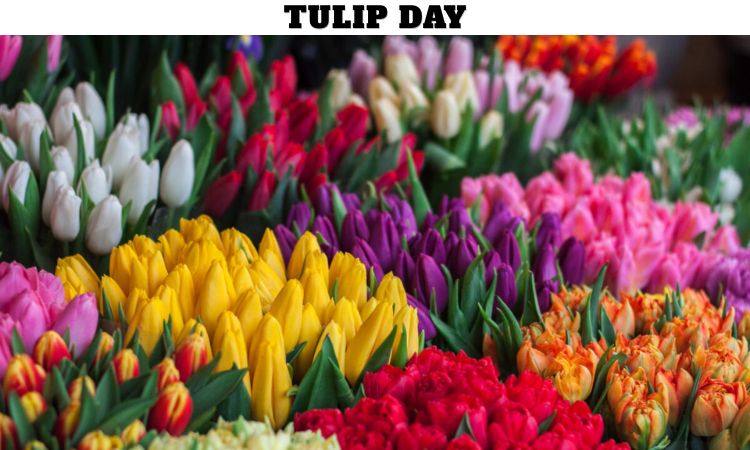
Tulips are popular because they come in an extraordinary variety of colors, patterns, and shapes. Some of the most common tulip colors include:
- Red
- Yellow
- Pink
- White
- Purple
- Orange
- Multicolored varieties
Their elegant appearance makes them highly desirable for gardens, bouquets, landscaping, and decorative arrangements.
Tulips are also relatively easy to cultivate in suitable climates, which contributes to their widespread popularity among gardeners and flower producers.
The flower’s association with spring and beauty has helped it become one of the most beloved ornamental plants worldwide.
Where Did Tulips Originally Come From?
Although tulips are strongly associated with the Netherlands today, their origins trace back to Central Asia and parts of the Middle East. Wild tulips grew naturally in mountainous regions before they were cultivated and spread across different civilizations.
Tulips became especially important during the Ottoman Empire, where they were admired for their beauty and used extensively in art, textiles, and palace gardens. Turkish culture celebrated tulips as symbols of elegance and prosperity.
European travelers later introduced tulips to Western Europe during the 16th century. The flowers quickly gained popularity, especially in the Netherlands, where tulip cultivation expanded dramatically.
The historical journey of tulips reflects centuries of cultural exchange, trade, and horticultural innovation.
Why Are Tulips Closely Associated With the Netherlands?
The Netherlands became globally famous for tulips due to its ideal growing conditions, advanced flower cultivation industry, and historical connection to tulip trade.
During the 17th century, the Dutch Republic experienced a phenomenon known as Tulip Mania, when tulip bulbs became extremely valuable and were traded at extraordinary prices. This period is often considered one of the earliest recorded speculative market bubbles in history.
Today, the Netherlands remains one of the world’s largest producers and exporters of tulips and flower bulbs. Vast tulip fields bloom every spring, attracting millions of tourists.
Dutch tulip farms and flower markets have become internationally recognized symbols of beauty and horticultural excellence.
What Do Tulips Symbolize in Different Cultures?
Tulips carry rich symbolic meanings across different cultures and traditions. Their graceful shape and bright colors make them powerful symbols of emotion and celebration.
Common tulip meanings include:
- Love
- Renewal
- Happiness
- Prosperity
- Hope
- Friendship
- Springtime
Different tulip colors also hold specific symbolic meanings:
- Red tulips symbolize deep love
- Yellow tulips represent cheerfulness
- White tulips signify purity and forgiveness
- Purple tulips symbolize royalty and admiration
- Pink tulips express affection and caring
Because of these meanings, tulips are often given as gifts during celebrations, anniversaries, and seasonal events.
How Is Tulip Day Celebrated Around the World?
Tulip Day is celebrated in many countries through flower festivals, garden visits, floral exhibitions, and community events. The observance brings together flower enthusiasts, photographers, tourists, and gardeners.
Popular Tulip Day activities include:
- Visiting tulip gardens and parks
- Planting tulip bulbs
- Attending flower festivals
- Creating floral arrangements
- Sharing tulip photographs online
- Learning about tulip history
- Decorating homes with tulips
Public parks and botanical gardens often organize seasonal displays featuring thousands of blooming tulips in artistic patterns and colorful arrangements.
The celebration promotes appreciation for nature, gardening, and environmental beauty.
Why Are Tulips Important in Gardening and Landscaping?
Tulips are highly valued in gardening and landscaping because of their vibrant colors and seasonal beauty. They are commonly planted in flower beds, borders, containers, and public gardens.
Gardeners appreciate tulips because they:
- Bloom beautifully in spring
- Come in diverse colors and varieties
- Pair well with other flowers
- Enhance landscape design
- Create visually striking displays
Tulips are especially popular in formal gardens where they are arranged in geometric patterns or mass plantings for dramatic visual impact.
Their relatively simple cultivation process also makes them accessible to both beginner and experienced gardeners.
What Are the Different Types of Tulips?
There are thousands of tulip varieties categorized into several groups based on flower shape, blooming season, and petal style.
Popular tulip types include:
- Single Early Tulips
- Double Tulips
- Triumph Tulips
- Parrot Tulips
- Lily-Flowered Tulips
- Fringed Tulips
- Darwin Hybrid Tulips
Each type offers unique characteristics, including petal texture, stem height, and bloom shape.
Some tulips feature smooth, classic petals, while others have fringed, layered, or feathered appearances that create artistic floral effects.
This incredible diversity contributes to tulips’ lasting popularity among flower enthusiasts.
How Do Tulips Influence Tourism and the Global Flower Industry?
Tulips play a major role in international tourism and the global flower economy. Countries known for tulip cultivation attract millions of visitors during blooming seasons.
Tulip festivals and gardens contribute significantly to local tourism industries by offering scenic landscapes and cultural experiences.
The flower industry also benefits from tulip production through:
- Flower exports
- Bulb sales
- Floral design businesses
- Event decoration services
- Horticultural trade
The Netherlands remains a leading exporter of tulip bulbs worldwide, supplying gardeners and flower markets across continents.
Tulips have become economic as well as cultural symbols in many regions connected to flower farming.
Why Are Tulips Popular in Art and Design?
Tulips have inspired artists, designers, and photographers for centuries because of their elegance and vivid colors. Their simple yet sophisticated shape makes them ideal subjects for creative expression.
Tulips frequently appear in:
- Paintings
- Textiles
- Home décor
- Fashion design
- Photography
- Architecture patterns
During the Ottoman Empire and the Dutch Golden Age, tulips became important decorative motifs in ceramics, fabrics, and visual arts.
Today, tulips continue inspiring contemporary artists and designers who use floral themes to convey beauty, emotion, and natural harmony.
How Can People Grow Healthy Tulips at Home?
Growing tulips at home can be rewarding when proper planting techniques and care are followed. Tulips generally thrive in cooler climates and require a period of cold dormancy.
Helpful tips for growing tulips include:
- Plant bulbs in autumn
- Choose well-drained soil
- Provide full or partial sunlight
- Avoid excessive watering
- Space bulbs properly
- Protect bulbs from pests
Tulip bulbs are usually planted several inches deep to protect them during winter. In spring, the flowers emerge and bloom beautifully for several weeks.
With proper care, tulips can create colorful and elegant garden displays year after year.
Why Does Tulip Day Continue to Grow in Popularity?
Tulip Day continues growing in popularity because tulips remain timeless symbols of beauty, renewal, and joy. Their universal appeal transcends cultures and generations.
People are drawn to tulips because they:
- Represent spring and fresh beginnings
- Brighten gardens and homes
- Inspire creativity and photography
- Connect people with nature
- Hold deep cultural symbolism
Social media has also increased global interest in tulip fields, flower festivals, and gardening trends. Images of colorful tulip landscapes attract millions of viewers and inspire travel and horticultural hobbies.
Tulip Day encourages people to appreciate natural beauty and celebrate one of the world’s most admired flowers. As gardening and environmental awareness continue to grow, tulips remain enduring symbols of elegance and seasonal renewal.
Frequently Asked Questions (FAQs)
1. When is Tulip Day celebrated?
Tulip Day is celebrated every year on May 13.
2. What are tulips?
Tulips are flowering plants known for their colorful cup-shaped blooms.
3. Where did tulips originally come from?
Tulips originated in Central Asia and the Middle East before spreading to Europe.
4. Why are tulips associated with the Netherlands?
The Netherlands became famous for tulip cultivation and the global flower trade during the 17th century.
5. What do red tulips symbolize?
Red tulips commonly symbolize deep love and romance.
6. How do people celebrate Tulip Day?
People celebrate by visiting gardens, planting tulips, attending festivals, and creating floral arrangements.
7. What season do tulips usually bloom in?
Tulips typically bloom during spring.
8. Are there many types of tulips?
Yes, there are thousands of tulip varieties with different shapes, colors, and blooming times.
9. Why are tulips important in gardening?
Tulips add vibrant color and beauty to gardens and landscape designs.
10. Why does Tulip Day remain popular?
The day celebrates natural beauty, springtime, gardening, and cultural appreciation for tulips.