

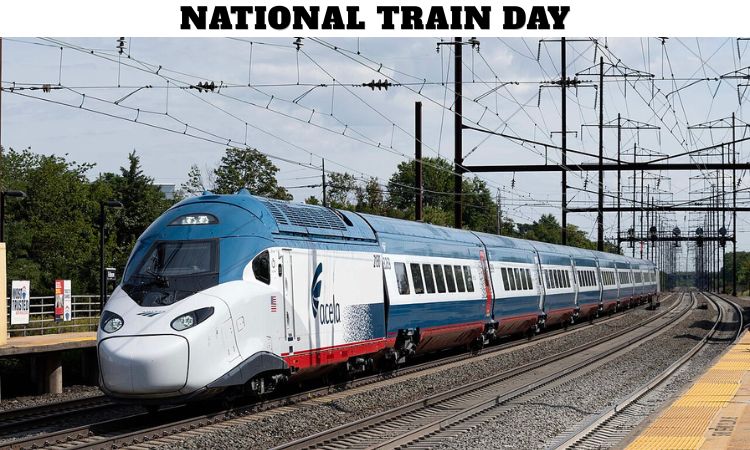
What Is National Train Day and Why Is It Celebrated on May 9?
National Train Day, observed on May 9, is a tribute to the rich heritage, innovation, and impact of trains on society. We recognize this day as a celebration of the historic moment when the first transcontinental railroad in the United States was completed in 1869, marking a revolutionary shift in transportation, trade, and connectivity. This milestone symbolizes how trains transformed nations by linking cities, industries, and people across vast distances.
We celebrate National Train Day to honor the engineering brilliance, economic significance, and cultural influence of railways. From steam locomotives to high-speed bullet trains, the evolution of rail transport represents human progress at its finest.
How Did Trains Revolutionize Transportation Across the World?
The introduction of trains redefined transportation by making it faster, more reliable, and accessible. Before railways, travel depended heavily on horses and waterways, which were slow and unpredictable. With the development of rail networks, we witnessed a dramatic shift in mobility, commerce, and communication.
Trains enabled industries to transport raw materials and finished goods efficiently, fueling the Industrial Revolution. Cities expanded rapidly as railways connected urban and rural areas, creating new economic opportunities. Today, trains continue to play a vital role in urban transit systems, freight logistics, and international connectivity.
Why Are Trains Still Relevant in the Modern Era?
Despite advancements in aviation and road transport, trains remain highly relevant due to their efficiency, sustainability, and affordability. Rail transport consumes less fuel per passenger compared to cars and airplanes, making it a more eco-friendly option.
Modern trains are equipped with advanced technology, improved safety systems, and enhanced passenger comfort. High-speed rail networks in countries like Japan, France, and China demonstrate how trains can compete with air travel in terms of speed and convenience.
We continue to rely on trains for daily commuting, long-distance travel, and freight movement, proving their enduring importance in a rapidly evolving world.
What Are the Different Types of Trains We Use Today?
Today’s railways offer a diverse range of train types designed for specific purposes. These include:
- Passenger trains, which provide comfortable travel for individuals and families.
- Freight trains are essential for transporting goods across regions and countries.
- High-speed trains are capable of reaching speeds exceeding 300 km/h.
- Metro and suburban trains, crucial for urban commuting.
- Luxury trains offer premium travel experiences with world-class amenities.
Each type of train serves a unique purpose, contributing to the overall efficiency and versatility of railway systems.
How Does National Train Day Promote Awareness and Education?
National Train Day serves as an opportunity to educate people about railway history, safety, and technological advancements. Various events, exhibitions, and museum tours are organized to showcase the evolution of trains.
We use this day to highlight the importance of rail safety practices, encouraging individuals to respect railway rules and infrastructure. Educational programs also inspire younger generations to explore careers in engineering, transportation, and logistics.
What Role Do Trains Play in Economic Development?
Trains are the backbone of economic growth. They facilitate the movement of goods, reduce transportation costs, and improve supply chain efficiency. Industries depend on railways to transport bulk commodities such as coal, steel, and agricultural products.
Railways also boost tourism by providing access to scenic destinations and remote areas. This contributes to local economies, job creation, and regional development. National Train Day reminds us of the critical role railways play in sustaining economic progress.
How Are Trains Contributing to Sustainable Transportation?
In an era where environmental concerns are paramount, trains stand out as a sustainable mode of transport. They produce lower greenhouse gas emissions compared to other forms of transportation.
Electric trains, in particular, reduce dependence on fossil fuels and support the transition to clean energy systems. Governments worldwide are investing in railway infrastructure to promote green mobility solutions.
We recognize trains as a key component in achieving global sustainability goals, making National Train Day a celebration of environmentally responsible transportation.
What Are Some Iconic Train Journeys Around the World?
Train journeys offer unique travel experiences that combine comfort, scenic beauty, and cultural exploration. Some of the most iconic routes include:
- The Orient Express is known for its luxury and historical significance.
- The Trans-Siberian Railway spans across Russia’s vast landscapes.
- The Shinkansen bullet trains in Japan represent speed and precision.
- The Palace on Wheels in India offers a royal travel experience.
These journeys showcase the diversity and charm of railway travel, making trains an integral part of global tourism.
How Can We Celebrate National Train Day in Meaningful Ways?
There are many ways to celebrate National Train Day meaningfully. We can visit railway museums, heritage stations, and train exhibitions to learn about railway history. Taking a train journey is another excellent way to experience the charm of rail travel.
Engaging in educational activities, such as reading about railway innovations or watching documentaries, helps deepen our understanding. We can also share knowledge about rail safety and sustainability, contributing to a more informed society.
What Is the Future of Rail Transportation?
The future of rail transportation is driven by innovation, technology, and sustainability. Developments such as maglev trains, hyperloop systems, and AI-powered railway management are shaping the next generation of rail travel.
High-speed rail networks are expanding globally, reducing travel time and improving connectivity. Smart infrastructure and digital systems are enhancing efficiency, safety, and passenger experience.
We anticipate that trains will continue to evolve, playing a crucial role in building sustainable and interconnected societies.
Why Should We Appreciate the Legacy of Trains on National Train Day?
National Train Day is more than just a celebration; it is a recognition of the legacy, innovation, and impact of trains on our lives. Railways have shaped economies, connected communities, and transformed the way we travel.
By appreciating this legacy, we acknowledge the efforts of engineers, workers, and visionaries who contributed to the development of railway systems. This day encourages us to value and preserve the importance of trains for future generations.
Frequently Asked Questions (FAQs)
1. What is National Train Day?
National Train Day is celebrated on May 9 to honor the history and significance of trains in transportation and economic development.
2. Why is National Train Day celebrated on May 9?
It marks the anniversary of the completion of the first transcontinental railroad in 1869.
3. What is the importance of trains?
Trains are important for the efficient transportation of passengers and goods, supporting economic growth and sustainability.
4. How can we celebrate National Train Day?
We can celebrate by visiting railway museums, taking train journeys, and learning about railway history.
5. Are trains environmentally friendly?
Yes, trains produce lower emissions compared to cars and airplanes, making them a sustainable mode of transport.
6. What are high-speed trains?
High-speed trains are advanced rail systems that operate at very high speeds, often exceeding 300 km/h.
7. What is the future of trains?
The future includes innovations like maglev trains, hyperloop systems, and smart railway technologies.
8. Why are trains important for the economy?
They enable efficient transportation of goods, reduce logistics costs, and support industrial growth.
9. What types of trains exist today?
There are passenger trains, freight trains, high-speed trains, metro systems, and luxury trains.
10. Why should we learn about trains?
Learning about trains helps us understand their role in history, technology, and sustainable development.