

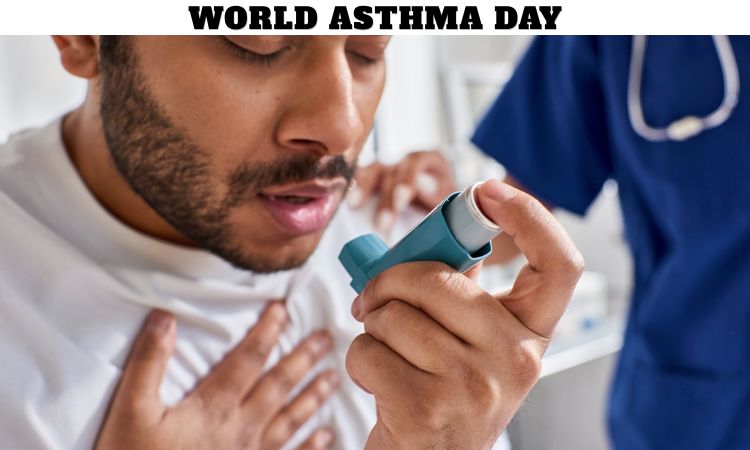
What Is World Asthma Day and Why Is It Observed Globally?
World Asthma Day, observed annually on the first Tuesday of May, is one of the world’s most important health awareness campaigns dedicated to improving asthma education, prevention, and care. In many years, including when it falls on May 5, this global event unites healthcare organizations, patients, caregivers, and policymakers to address the growing burden of asthma and to promote better respiratory health worldwide.
Organized by the Global Initiative for Asthma (GINA), World Asthma Day aims to increase understanding of asthma as a chronic respiratory disease that affects hundreds of millions of people globally. The day emphasizes proper diagnosis, effective treatment, symptom control, and public awareness while also confronting myths that can prevent people from receiving life-changing care.
Asthma can affect people of all ages, from children to older adults, and although it cannot always be cured, it can often be managed successfully with education, medical treatment, and environmental awareness. World Asthma Day reminds us that breathing is fundamental to life, and protecting respiratory health should remain a global priority.
What Is Asthma and How Does It Affect the Body?
Asthma is a chronic disease that affects the airways in the lungs, causing inflammation and narrowing that make breathing difficult. When asthma symptoms are triggered, the airways can swell, tighten, and produce excess mucus, reducing airflow.
Common symptoms include:
- Shortness of breath
- Wheezing
- Chest tightness
- Persistent coughing
- Difficulty sleeping due to breathing issues
Asthma symptoms may range from mild to severe and can vary over time. Some individuals experience occasional flare-ups, while others may face life-threatening asthma attacks requiring emergency care.
Because asthma directly impacts the respiratory system, proper management is essential for maintaining daily quality of life.
Why Is World Asthma Day So Important Today?
World Asthma Day is increasingly important because asthma remains one of the most common chronic diseases globally. Rising pollution levels, climate change, allergens, urbanization, and healthcare disparities continue to influence asthma prevalence and severity.
This observance matters because it promotes:
- Awareness: Educating the public about symptoms and triggers.
- Prevention: Reducing avoidable asthma attacks through environmental and lifestyle adjustments.
- Access to Care: Encouraging equitable treatment worldwide.
- Policy Action: Supporting public health systems that prioritize respiratory care.
- Research: Advancing innovation in medication and treatment strategies.
For millions living with asthma, awareness can mean the difference between controlled symptoms and preventable emergencies.
What Causes Asthma and What Are Common Triggers?
Asthma does not have a single cause. It often develops through a combination of genetic and environmental factors.
Common causes and triggers include:
- Allergens: Pollen, dust mites, mold, and pet dander.
- Air Pollution: Smoke, industrial pollution, and vehicle emissions.
- Respiratory Infections: Viral illnesses can worsen symptoms.
- Exercise: Physical exertion may trigger exercise-induced asthma.
- Weather Changes: Cold air or humidity can provoke attacks.
- Stress: Emotional distress may worsen symptoms.
- Chemical Irritants: Cleaning products, perfumes, or workplace exposure.
Identifying individual triggers is one of the most effective ways to reduce flare-ups.
How Is Asthma Diagnosed and Managed?
Asthma diagnosis typically involves medical history, symptom evaluation, and lung function testing such as spirometry.
Management often includes:
- Quick-Relief Inhalers: Used during asthma attacks for immediate symptom relief.
- Long-Term Controller Medications: Daily inhaled corticosteroids or other treatments to reduce inflammation.
- Asthma Action Plans: Personalized guidance for symptom monitoring and emergency response.
- Lifestyle Adjustments: Avoiding triggers, improving air quality, and maintaining fitness.
- Regular Medical Reviews: Ongoing assessment ensures treatment effectiveness.
With proper care, many people with asthma lead active, healthy lives.
How Does Asthma Affect Children Differently?
Asthma is one of the most common chronic childhood conditions worldwide. In children, symptoms may interfere with:
- School attendance
- Physical activity
- Sleep
- Social confidence
- Academic performance
Children may not always recognize or communicate breathing difficulties clearly, which makes parental awareness and pediatric care essential.
World Asthma Day highlights the importance of:
- Early diagnosis
- School asthma education
- Access to inhalers
- Family support
- Trigger-free environments
Helping children manage asthma early can improve lifelong respiratory health.
What Role Does Air Pollution Play in Asthma?
Air pollution is a major contributor to asthma symptoms and prevalence. Poor air quality can irritate the lungs, increase inflammation, and trigger severe attacks.
Major pollution sources include:
- Vehicle emissions
- Wildfire smoke
- Industrial chemicals
- Indoor smoke
- Tobacco exposure
Climate change also intensifies respiratory challenges through longer pollen seasons, increased heat, and wildfire frequency.
World Asthma Day often emphasizes environmental responsibility because cleaner air directly supports healthier lungs.
How Can Communities Support Asthma Awareness?
Communities play a crucial role in reducing the burden of asthma through education, accessibility, and policy.
Effective community actions include:
- Public awareness campaigns
- Smoke-free environments
- School nurse programs
- Affordable medication initiatives
- Clean air advocacy
- Workplace respiratory protections
When communities prioritize respiratory health, they help prevent avoidable emergencies and improve overall well-being.
What Are the Most Common Myths About Asthma?
Several misconceptions can endanger people with asthma.
Myth: Asthma is only a childhood disease.
Reality: Asthma affects all age groups.
Myth: People with asthma should avoid exercise.
Reality: Many can exercise safely with proper management.
Myth: Inhalers are addictive.
Reality: Prescribed inhalers are essential medical tools.
Myth: Mild asthma is not serious.
Reality: Any asthma attack can become dangerous.
World Asthma Day helps correct these myths and improve treatment adherence.
How Can Individuals Reduce Asthma Risks?
Practical strategies for reducing asthma risks include:
- Following prescribed treatment plans
- Monitoring symptoms
- Avoiding smoke exposure
- Using air purifiers
- Managing allergies
- Staying vaccinated
- Exercising safely
- Scheduling regular checkups
Education remains one of the strongest tools for prevention.
Why Does World Asthma Day Matter for Global Health?
Asthma is not just an individual condition—it is a public health issue. Millions face barriers to diagnosis, medication, and education, particularly in underserved communities.
World Asthma Day matters because it promotes:
- Health equity
- Preventive medicine
- Environmental awareness
- Global research collaboration
- Better quality of life
By raising awareness each year, the global community can improve outcomes, reduce preventable deaths, and create stronger healthcare systems.
Ultimately, World Asthma Day reminds us that every breath matters. Through education, innovation, and compassion, we can create a world where asthma is better understood, better treated, and less limiting.
Frequently Asked Questions (FAQs)
1. What is World Asthma Day?
World Asthma Day is a global health awareness event organized by GINA to improve asthma education, prevention, and care.
2. When is World Asthma Day observed?
It is observed annually on the first Tuesday of May.
3. What is asthma?
Asthma is a chronic respiratory condition that causes airway inflammation and breathing difficulties.
4. What are common asthma symptoms?
Symptoms include wheezing, coughing, shortness of breath, and chest tightness.
5. Can asthma be cured?
Asthma cannot always be cured, but it can often be effectively managed.
6. What triggers asthma attacks?
Triggers include allergens, smoke, pollution, exercise, weather changes, and respiratory infections.
7. Is asthma common in children?
Yes, asthma is one of the most common chronic conditions in children.
8. Why is air pollution important in asthma awareness?
Pollution can worsen symptoms and increase asthma risks.
9. How can people manage asthma effectively?
With medication, trigger avoidance, regular checkups, and personalized asthma action plans.
10. Why is World Asthma Day important?
It promotes awareness, education, prevention, and better respiratory healthcare worldwide.