
What Is Dutch-American Friendship Day, and Why Is It Celebrated on April 19?
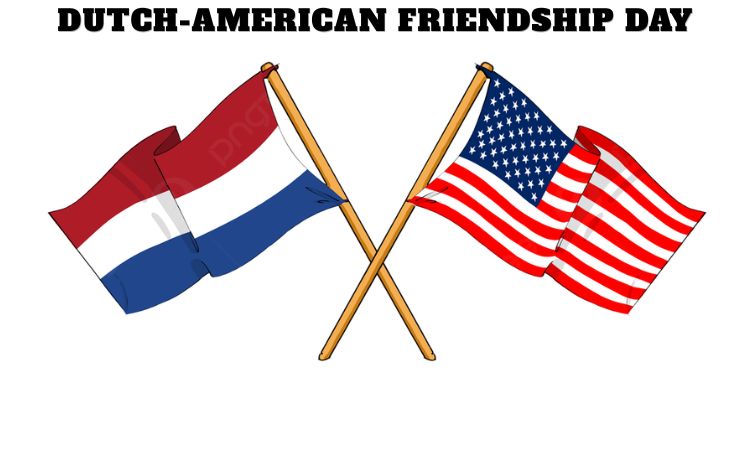
Dutch-American Friendship Day, observed annually on April 19, commemorates the longstanding diplomatic, cultural, and economic relationship between the Netherlands and the United States. This day marks the recognition of one of the oldest alliances in modern history, rooted in shared values such as freedom, democracy, trade, and innovation.
The origin of this observance traces back to April 19, 1782, when the Netherlands formally recognized the United States as an independent nation. This act established the Netherlands as one of the first countries to officially acknowledge American sovereignty, paving the way for diplomatic ties that have flourished for over two centuries.
Today, we celebrate this day to honor the historical milestones, cultural exchanges, and economic cooperation that define Dutch-American relations.
How Did the Netherlands Support the United States During Its Early Years?
The Netherlands played a critical role in the early development of the United States. During the American Revolutionary War, the Dutch provided financial assistance, loans, and trade opportunities that helped sustain the American cause.
In 1782, John Adams, one of the Founding Fathers, successfully negotiated recognition from the Dutch government. Shortly after, the Netherlands extended financial credit to the young nation, making it one of the first international lenders to the United States.
Additionally, Dutch ports served as vital trade hubs, allowing American goods and resources to circulate globally. This support was instrumental in stabilizing the early American economy and strengthening its international standing.
What Cultural Connections Define Dutch-American Friendship?
The cultural ties between the Netherlands and the United States are deeply embedded in history and everyday life. One of the most notable examples is New York City, originally founded as New Amsterdam by Dutch settlers in the 17th century.
Dutch influence remains visible through:
- Architecture and urban planning
- Place names such as Harlem (Haarlem) and Brooklyn (Breukelen)
- Traditions like Santa Claus, derived from Sinterklaas
The exchange of art, education, literature, and philosophy has further strengthened this cultural connection. Both nations continue to promote cross-cultural understanding through academic partnerships and creative collaborations.
Why Is Dutch-American Friendship Important in Modern Times?
In today’s global landscape, Dutch-American relations are more relevant than ever. The partnership is characterized by strong diplomatic alignment, shared security interests, and collaborative innovation.
Key areas of cooperation include:
- Defense and NATO partnerships
- Climate change initiatives and sustainability projects
- Technological advancements in water management and agriculture
- Trade and investment opportunities
The Netherlands is consistently ranked among the top foreign investors in the United States, while American companies maintain a significant presence in Dutch markets. This mutual economic engagement fosters job creation, technological exchange, and long-term growth.
How Do Trade and Economic Ties Strengthen This Relationship?
Economic collaboration is a cornerstone of Dutch-American friendship. The Netherlands serves as a gateway to Europe for American businesses, thanks to its strategic location and advanced infrastructure.
Key highlights of this economic partnership include:
- The Netherlands is one of the largest investors in the U.S. economy
- Strong presence of multinational corporations operating across both countries
- Cooperation in sectors such as energy, logistics, healthcare, and finance
This relationship supports millions of jobs and drives innovation across industries, making it one of the most robust bilateral economic alliances globally.
How Is Dutch-American Friendship Day Celebrated?
Dutch-American Friendship Day is celebrated through official ceremonies, cultural events, and educational programs. Embassies, cultural organizations, and communities organize activities that highlight the shared heritage and future collaboration.
Common celebrations include:
- Diplomatic receptions and speeches
- Cultural exhibitions showcasing Dutch art and history
- Educational seminars on bilateral relations
- Community events promoting cultural exchange
These celebrations reinforce the importance of unity, respect, and collaboration between the two nations.
What Role Does Education Play in Strengthening This Bond?
Education is a key pillar in sustaining Dutch-American friendship. Universities and research institutions from both countries engage in exchange programs, joint research, and academic collaborations.
Students benefit from:
- International exposure and diverse perspectives
- Opportunities to study cutting-edge subjects
- Cross-border innovation and knowledge sharing
These academic partnerships contribute to global problem-solving and intellectual growth, ensuring that the relationship continues to evolve.
How Do Innovation and Technology Connect the Two Nations?
The Netherlands and the United States are both leaders in innovation and technological development. Their collaboration spans multiple sectors, including:
- Water management and flood control systems
- Renewable energy solutions
- Smart agriculture and food security
- Digital transformation and artificial intelligence
By working together, both nations accelerate technological advancements and address global challenges effectively.
What Are the Shared Values Between the Netherlands and the United States?
The enduring friendship between these nations is built on shared democratic values and principles:
- Freedom and human rights
- Rule of law
- Economic openness
- Innovation and progress
These shared ideals create a strong foundation for cooperation, enabling both countries to navigate global challenges with a unified approach.
What Does the Future Hold for Dutch-American Relations?
The future of Dutch-American relations looks exceptionally promising. With increasing focus on sustainability, digital innovation, and global security, both nations are poised to deepen their collaboration.
Emerging areas of partnership include:
- Green energy and climate resilience
- Cybersecurity and data protection
- Healthcare innovation and biotechnology
- Smart cities and infrastructure development
As global challenges become more complex, the Dutch-American alliance will continue to serve as a model of international cooperation and mutual respect.
Frequently Asked Questions (FAQs)
1. What is Dutch-American Friendship Day?
Dutch-American Friendship Day is observed on April 19 to celebrate the historical and ongoing relationship between the Netherlands and the United States.
2. Why is April 19 significant?
April 19 marks the day in 1782 when the Netherlands officially recognized the United States as an independent nation.
3. Who established the diplomatic relationship between the two nations?
John Adams played a key role in securing Dutch recognition and establishing diplomatic ties.
4. How did the Netherlands help the United States historically?
The Netherlands provided financial support, trade opportunities, and diplomatic recognition during the early years of the United States.
5. What cultural influences did the Dutch bring to America?
Dutch settlers influenced architecture, place names, and traditions such as Santa Claus.
6. How strong are current economic ties between the two countries?
The economic relationship is very strong, with significant investments and trade partnerships benefiting both nations.
7. How is this day celebrated?
It is celebrated through cultural events, diplomatic meetings, and educational programs.
8. What industries benefit from Dutch-American cooperation?
Key industries include technology, agriculture, energy, finance, and healthcare.
9. Why is this relationship important today?
It supports global stability, economic growth, and innovation through strong collaboration.
10. What is the future of Dutch-American relations?
The future includes deeper cooperation in sustainability, technology, and global security.