

What Is Titanic Remembrance Day and Why Is It Observed on April 15?
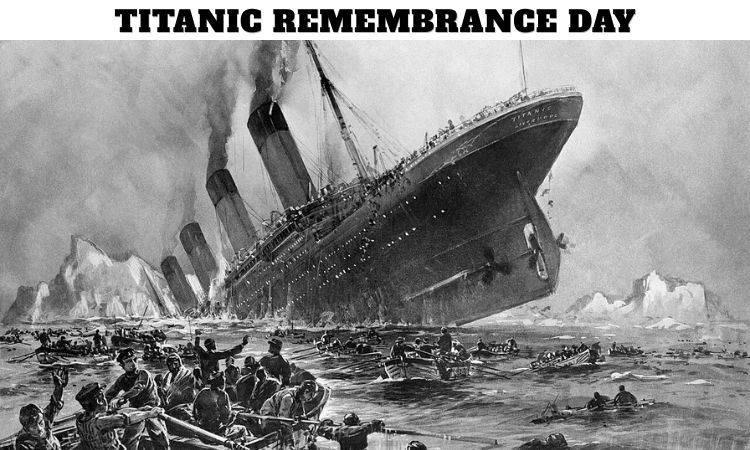
Titanic Remembrance Day, observed every year on April 15, commemorates the tragic sinking of the RMS Titanic in 1912. This day serves as a solemn tribute to the more than 1,500 lives lost when the world’s most famous ocean liner struck an iceberg and sank in the North Atlantic Ocean.
We observe this day to remember the victims, honor the survivors, and reflect on the lessons learned from one of the deadliest maritime disasters in history. Titanic Remembrance Day is not just about recalling a tragedy; it is about understanding the human stories, technological ambitions, and enduring legacy of the event.
What Happened on the Night of April 14–15, 1912?
On the night of April 14, 1912, the Titanic collided with an iceberg during its maiden voyage from Southampton to New York City. Despite being considered “unsinkable,” the ship began to take on water rapidly.
We recount the sequence of events:
- The iceberg struck the starboard side of the ship at approximately 11:40 PM
- Water flooded multiple compartments, exceeding the ship’s design capacity
- Lifeboats were launched, but there were not enough for all the passengers
- The Titanic sank at around 2:20 AM on April 15
This tragic event resulted in significant loss of life and shocked the world, highlighting the vulnerability of even the most advanced engineering of the time.
Why Was the Titanic Considered Unsinkable?
The Titanic was widely regarded as a marvel of modern engineering. It featured advanced safety measures for its time, including watertight compartments and an innovative hull design.
We understand why it earned the label “unsinkable”:
- Its compartments were designed to prevent flooding from spreading
- It was one of the largest and most luxurious ships ever built
- Confidence in technology led to widespread belief in its invincibility
However, the disaster revealed critical design flaws and overconfidence, ultimately proving that no structure is immune to failure.
Who Were the Victims and Survivors of the Titanic Disaster?
The Titanic carried over 2,200 passengers and crew members from various social classes and nationalities. The tragedy impacted people from all walks of life.
We reflect on the human aspect:
- Approximately 700 people survived the disaster
- More than 1,500 individuals lost their lives
- Survival rates varied significantly based on class and access to lifeboats
The stories of courage, sacrifice, and survival continue to resonate, making Titanic Remembrance Day deeply emotional and meaningful.
What Lessons Were Learned from the Titanic Tragedy?
The sinking of the Titanic led to significant changes in maritime safety regulations and practices. It exposed critical shortcomings that needed immediate attention.
We identify key lessons learned:
- Mandatory lifeboat capacity for all passengers
- Improved iceberg monitoring and communication systems
- Establishment of the International Ice Patrol
- Enhanced safety drills and emergency protocols
These changes have helped prevent similar disasters and improve safety standards across the global shipping industry.
How Has Titanic Remembrance Day Been Observed Over the Years?
Titanic Remembrance Day is observed through various activities that honor the victims and preserve the memory of the tragedy.
We note common ways of observance:
- Memorial services and ceremonies
- Moments of silence at 2:20 AM
- Exhibitions and museum visits
- Educational programs and documentaries
These activities ensure that the legacy of the Titanic continues to be remembered and understood by future generations.
What Cultural Impact Has the Titanic Had on Society?
The Titanic disaster has had a profound influence on global culture, inspiring numerous books, films, and artistic works. It remains one of the most studied and depicted historical events.
We observe its cultural significance:
- Countless documentaries and historical analyses
- Fictional adaptations and cinematic portrayals
- Ongoing fascination with the shipwreck
- Symbolism of human ambition and vulnerability
The story of the Titanic continues to captivate audiences, blending history with emotional storytelling.
How Does Titanic Remembrance Day Promote Historical Awareness?
Titanic Remembrance Day plays a crucial role in educating people about history and the importance of safety and responsibility.
We emphasize its educational value:
- Encourages learning about early 20th-century maritime travel
- Highlights the consequences of technological overconfidence
- Promotes awareness of safety standards and human error
By remembering the past, we gain insights that help shape a safer future.
What Are Some Lesser-Known Facts About the Titanic?
Beyond the well-known story, the Titanic holds many lesser-known details that add depth to its history.
We highlight some interesting facts:
- The ship carried luxurious amenities, including a swimming pool and gym
- The band continued playing music as the ship sank
- Only a fraction of lifeboats were filled
- The wreck was discovered in 1985, decades after the disaster
These details provide a more comprehensive understanding of the event and its circumstances.
Why Is Titanic Remembrance Day Still Relevant Today?
More than a century later, Titanic Remembrance Day remains relevant due to its enduring lessons and emotional significance.
We believe its relevance lies in:
- Honoring the memory of those who lost their lives
- Learning from past mistakes to improve safety
- Understanding the balance between innovation and caution
- Preserving historical awareness for future generations
This day reminds us of the importance of humility, preparedness, and respect for human life.
Frequently Asked Questions (FAQs)
1. What is Titanic Remembrance Day?
Titanic Remembrance Day is observed on April 15 to honor the victims of the Titanic disaster.
2. When did the Titanic sink?
The Titanic sank in the early hours of April 15, 1912.
3. How many people died in the Titanic disaster?
More than 1,500 people lost their lives.
4. Why did the Titanic sink?
It sank after colliding with an iceberg, causing severe structural damage.
5. How many people survived the Titanic sinking?
Approximately 700 people survived.
6. Why were there not enough lifeboats?
Safety regulations at the time did not require enough lifeboats for all passengers.
7. What changes were made after the disaster?
New maritime safety laws and improved emergency procedures were implemented.
8. Where is the Titanic wreck located?
The wreck lies in the North Atlantic Ocean.
9. How is Titanic Remembrance Day observed?
It is observed through memorials, educational events, and moments of silence.
10. Why is the Titanic still remembered today?
It remains a powerful symbol of human ambition, tragedy, and lessons learned.