

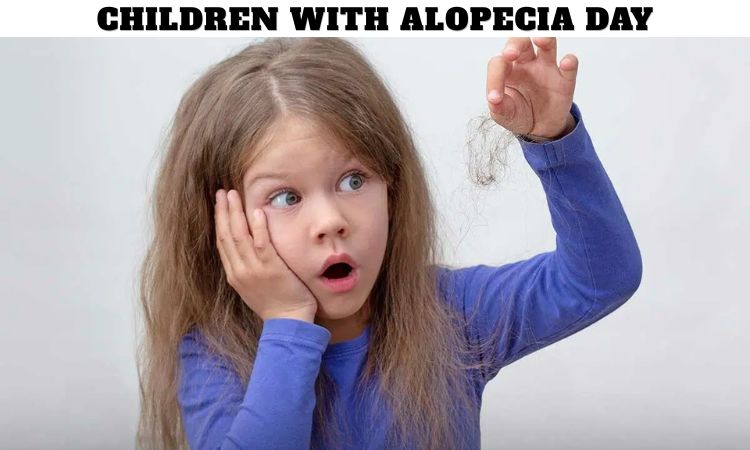
What Is Children with Alopecia Day and Why Is It Observed on April 14?
Children with Alopecia Day, observed annually on April 14, is a meaningful awareness day dedicated to supporting children affected by Alopecia Areata and other forms of alopecia. This day highlights the emotional, psychological, and social challenges faced by children who experience hair loss at a young age.
We recognize this day as an opportunity to educate society, eliminate stigma, and promote acceptance. It is a time to amplify the voices of children living with alopecia, celebrate their courage, and encourage communities to foster inclusivity and compassion.
What Is Alopecia and How Does It Affect Children?
Alopecia refers to a group of conditions that result in partial or complete hair loss. Among children, the most common type is alopecia areata, an autoimmune disorder where the body mistakenly attacks hair follicles.
We observe that children with alopecia may experience:
- Sudden hair loss in patches
- Complete scalp hair loss (alopecia totalis)
- Loss of all body hair (alopecia universalis)
The condition is not contagious, but its visible nature can lead to social anxiety, low self-esteem, and emotional distress. Early awareness and support play a critical role in helping children cope effectively.
Why Is Awareness About Alopecia in Children Important?
Raising awareness about alopecia is essential because misunderstandings and stereotypes can negatively impact a child’s well-being. Many people are unaware that alopecia is an autoimmune condition, not a result of illness, poor hygiene, or external factors.
We emphasize awareness of:
- Reduce bullying and discrimination
- Promote empathy and understanding
- Encourage early diagnosis and support
- Empower children to embrace their identity
Awareness initiatives on this day help create a safe and supportive environment for affected children.
How Does Alopecia Impact a Child’s Emotional Well-Being?
Hair often plays a significant role in a child’s self-image and confidence. Losing hair at a young age can lead to:
- Feelings of isolation
- Embarrassment or self-consciousness
- Anxiety in social settings
- Depression in severe cases
We understand that emotional support is just as important as medical care. Parents, teachers, and peers must work together to ensure that children feel accepted, valued, and supported.
What Are the Causes and Risk Factors of Alopecia in Children?
The exact cause of alopecia areata is not fully understood, but it is believed to involve a combination of:
- Genetic predisposition
- Immune system dysfunction
- Environmental triggers
We note that children with a family history of autoimmune diseases may have a higher risk. However, alopecia can occur in any child, regardless of background.
How Is Alopecia Diagnosed and Treated in Children?
Diagnosis typically involves a clinical examination by a dermatologist. In some cases, additional tests may be conducted to confirm the condition.
Treatment options vary depending on the severity and may include:
- Topical medications
- Steroid injections
- Immunotherapy
- Lifestyle and stress management strategies
We acknowledge that while there is no permanent cure, many children experience hair regrowth over time, and treatment can help manage symptoms effectively.
How Can Families Support Children with Alopecia?
Family support is crucial in helping children navigate the challenges of alopecia. We recommend:
Open Communication
Encouraging children to express their feelings helps them cope with emotional stress.
Building Confidence
Parents can reinforce self-esteem by focusing on strengths and achievements beyond appearance.
Exploring Options
Some children may choose to wear wigs, hats, or scarves, while others embrace their natural look.
Seeking Professional Help
Counseling or support groups can provide valuable guidance and emotional relief.
What Role Do Schools and Communities Play in Supporting Children?
Schools and communities have a significant role in creating an inclusive environment. We encourage:
- Anti-bullying policies
- Awareness programs and workshops
- Teacher training on sensitivity and inclusion
By fostering understanding, schools can ensure that children with alopecia feel safe and respected.
How Do Organizations Contribute to Alopecia Awareness?
Organizations such as the National Alopecia Areata Foundation work tirelessly to support individuals and families affected by alopecia. They provide:
- Educational resources
- Support networks
- Research funding
- Advocacy initiatives
We recognize the importance of these organizations in building a strong support system for children and their families.
How Can Individuals Participate in Children with Alopecia Day?
Everyone can contribute to making this day impactful. We can:
- Share awareness on social media
- Educate ourselves and others about alopecia
- Support affected families
- Participate in community events
Small actions can lead to significant positive change, helping children feel seen and supported.
What Is the Long-Term Outlook for Children with Alopecia?
The journey with alopecia varies for each child. Some may experience temporary hair loss, while others may have long-term conditions.
We emphasize that with the right support, children can lead confident and fulfilling lives. Advances in research and growing awareness continue to improve the quality of life and acceptance for those affected.
Frequently Asked Questions (FAQs)
1. What is Children with Alopecia Day?
Children with Alopecia Day is observed on April 14 to raise awareness and support children affected by alopecia.
2. What is alopecia areata?
It is an autoimmune condition that causes hair loss, often in patches, and can affect children and adults.
3. Is alopecia contagious?
No, alopecia is not contagious and cannot be spread from one person to another.
4. Can children recover from alopecia?
Many children experience hair regrowth, but the condition can vary from person to person.
5. How does alopecia affect a child emotionally?
It can lead to low self-esteem, anxiety, and social challenges due to visible hair loss.
6. Are there treatments available for alopecia?
Yes, treatments include topical medications, injections, and therapies, though there is no permanent cure.
7. How can parents help children with alopecia?
Parents can provide emotional support, encourage confidence, and seek professional guidance if needed.
8. What should schools do to support affected children?
Schools should promote inclusivity, prevent bullying, and educate students about alopecia.
9. Are wigs necessary for children with alopecia?
Wigs are optional and depend on personal preference; some children choose to wear them while others do not.
10. How can people spread awareness about alopecia?
By sharing information, supporting organizations, and promoting acceptance in their communities.