

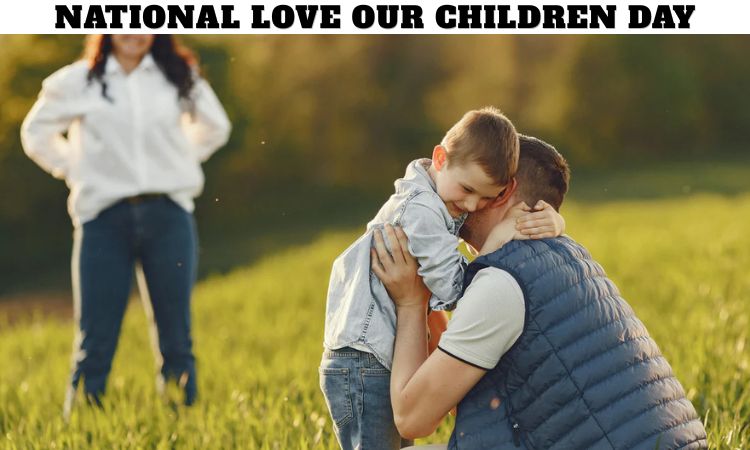
What Is National Love Our Children Day, and Why Is It Celebrated on April 4?
National Love Our Children Day is observed annually on April 4 to promote the well-being, safety, and emotional development of children. This important day serves as a reminder for parents, caregivers, educators, and society as a whole to prioritize children’s needs and create a nurturing environment where they can grow, learn, and thrive.
The day emphasizes the importance of showing love, care, and attention to children while also raising awareness about issues such as child abuse, neglect, and mental health. It encourages individuals and communities to take active steps in ensuring that every child feels valued, protected, and supported.
National Love Our Children Day is not just about celebrating children but also about recognizing our responsibility to provide them with a safe and positive upbringing.
What Is the History Behind National Love Our Children Day?
National Love Our Children Day was established as part of a broader movement to address child abuse prevention and promote child welfare. It is closely associated with National Child Abuse Prevention Month, which is observed throughout April.
The origins of the day are rooted in advocacy efforts by organizations dedicated to protecting children and supporting families. Over the years, awareness campaigns, educational programs, and community initiatives have helped bring attention to the challenges faced by children and the importance of early intervention.
The day continues to evolve as a platform for promoting policies, resources, and practices that support children’s physical, emotional, and social development.
Why Is It Important to Focus on Children’s Well-Being?
Children represent the future of society, and their well-being directly impacts the health and progress of communities. Ensuring that children grow up in a safe and supportive environment is essential for their development into confident, capable adults.
Focusing on children’s well-being includes addressing their physical health, emotional needs, education, and social interactions. When children feel loved and secure, they are more likely to develop positive self-esteem, strong relationships, and resilience.
Neglecting these aspects can lead to long-term consequences, including mental health issues, poor academic performance, and difficulties in adulthood. National Love Our Children Day highlights the importance of early care and consistent support.
How Can Parents Show Love and Support to Their Children?
Parents play a crucial role in shaping their children’s lives. Showing love and support can take many forms, from simple daily interactions to long-term commitments.
Spending quality time with children is one of the most effective ways to build strong relationships. Listening to their thoughts, encouraging their interests, and being present in their lives helps create a sense of trust and security.
Positive reinforcement, open communication, and setting healthy boundaries are also essential. Children thrive when they feel understood and respected.
Acts of love do not always have to be grand gestures; small, consistent actions often have the most significant impact.
What Role Do Schools and Communities Play in Child Development?
Schools and communities are vital in supporting children’s growth and development. Educational institutions provide not only academic knowledge but also opportunities for social interaction and skill-building.
Teachers and school staff can identify early signs of challenges and provide guidance or support when needed. Community organizations, such as youth clubs and support groups, offer additional resources and activities that promote learning and engagement.
A collaborative approach involving families, schools, and communities ensures that children receive comprehensive support. National Love Our Children Day encourages these partnerships to create a strong foundation for children’s success.
How Does Child Abuse Affect Children and Society?
Child abuse has serious and lasting effects on both individuals and society. It can take many forms, including physical, emotional, and sexual abuse, as well as neglect.
Children who experience abuse may struggle with emotional trauma, low self-esteem, and difficulty forming relationships. These challenges can persist into adulthood, affecting their personal and professional lives.
On a broader level, child abuse places a significant burden on healthcare, education, and social services systems. Preventing abuse and providing support to affected children is essential for building a healthier society.
National Love Our Children Day raises awareness about these issues and promotes efforts to protect children from harm.
What Are the Signs That a Child Needs Help or Support?
Recognizing the signs that a child may need help is crucial for early intervention. Changes in behavior, such as withdrawal, aggression, or sudden mood swings, can indicate underlying issues.
Physical signs, such as unexplained injuries or poor hygiene, may also be warning signals. Academic difficulties, loss of interest in activities, or changes in sleep and eating patterns can further suggest that a child is struggling.
Parents, teachers, and caregivers need to remain observant and responsive. Providing a safe space for children to express themselves can help identify and address problems early.
How Can Society Prevent Child Abuse and Neglect?
Preventing child abuse requires a collective effort from individuals, families, and institutions. Education and awareness are key components in addressing the issue.
Parenting programs, counseling services, and community support initiatives can help families develop healthy relationships and coping strategies. Encouraging open communication and reducing stigma around seeking help are also important.
Policies and laws that protect children and hold offenders accountable play a critical role. Reporting suspected abuse and supporting child protection services contribute to a safer environment for children.
National Love Our Children Day emphasizes the importance of proactive measures to safeguard children’s well-being.
How Can You Celebrate National Love Our Children Day?
There are many meaningful ways to celebrate National Love Our Children Day. Spending quality time with children, engaging in activities they enjoy, and expressing appreciation are simple yet impactful gestures.
You can also participate in community events, volunteer with organizations that support children, or donate to causes focused on child welfare. Educating yourself and others about child safety and well-being is another valuable way to contribute.
Schools and organizations often host workshops, seminars, and awareness campaigns to mark the occasion. Sharing messages of love and support can inspire others to take action.
What Lessons Can We Learn from National Love Our Children Day?
National Love Our Children Day teaches us the importance of compassion, responsibility, and commitment to nurturing the next generation. It reminds us that every child deserves a safe, loving, and supportive environment.
The day encourages us to be more attentive to children’s needs and to take active steps in promoting their well-being. It also highlights the power of collective action in creating positive change.
By embracing these lessons, we can contribute to a society where children are valued, protected, and empowered to reach their full potential.
Frequently Asked Questions (FAQs)
1. What is National Love Our Children Day?
It is a day observed on April 4 to promote children’s well-being, safety, and emotional development.
2. Why is this day important?
It raises awareness about child welfare and encourages people to support and protect children.
3. How can parents celebrate this day?
Parents can spend quality time with their children and express love and appreciation.
4. What issues does this day highlight?
It focuses on child abuse prevention, mental health, and overall well-being.
5. How can communities support children?
By providing resources, safe environments, and educational opportunities.
6. What are the signs of child abuse?
Behavioral changes, unexplained injuries, and emotional distress can be warning signs.
7. Can schools participate in this day?
Yes, schools can organize activities and awareness programs.
8. How can I help prevent child abuse?
By educating yourself, supporting families, and reporting suspected cases.
9. Are there organizations supporting this cause?
Yes, many organizations work to protect children and support families.
10. What is the main message of this day?
To ensure every child feels loved, safe, and supported.