

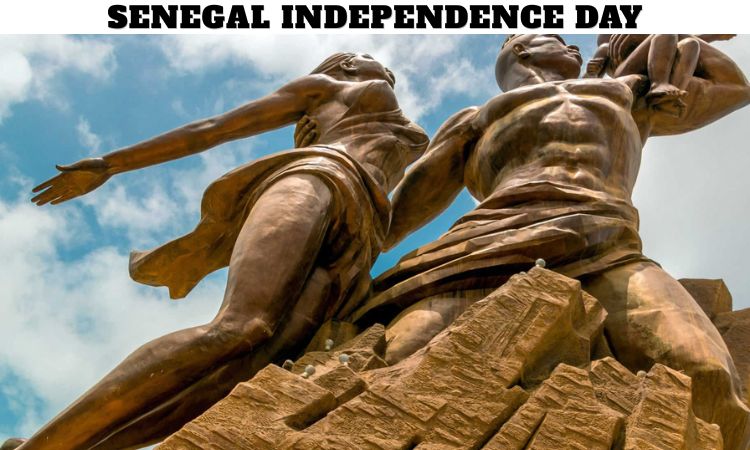
What Is Senegal Independence Day, and Why Is It Celebrated on April 4?
Senegal Independence Day is a national holiday celebrated every year on April 4 in Senegal. This important day marks the country’s independence from French colonial rule in 1960. It is one of the most significant events in Senegal’s history, symbolizing freedom, sovereignty, and national pride.
On this day, Senegalese people come together to celebrate their identity, culture, and progress as an independent nation. The occasion is marked by parades, cultural performances, and official ceremonies that highlight the country’s achievements and aspirations.
Senegal Independence Day is not just a commemoration of the past but also a reflection on the nation’s journey toward development, unity, and democracy.
What Is the Historical Background of Senegal’s Independence?
Senegal was part of French West Africa, a federation of French colonial territories in Africa. During colonial rule, France controlled the political, economic, and social systems of the region.
In the mid-20th century, movements for independence began to grow across Africa. Senegal played a key role in these movements, advocating for self-governance and national identity. In 1959, Senegal briefly joined with Mali to form the Mali Federation, which gained independence from France.
However, the federation dissolved shortly after, and Senegal officially became an independent republic on April 4, 1960. This marked the beginning of a new chapter in the country’s history as it established its own government and institutions.
Who Were the Key Leaders in Senegal’s Independence Movement?
One of the most prominent figures in Senegal’s independence movement was Léopold Sédar Senghor. A poet, philosopher, and statesman, Senghor became the first president of Senegal after independence.
He was instrumental in negotiating peaceful independence from France and promoting a vision of cultural identity known as “Negritude,” which celebrated African heritage and values. Senghor’s leadership helped shape Senegal into a stable and democratic nation.
Other leaders and activists also contributed to the independence movement by advocating for political reforms and mobilizing public support.
How Is Senegal Independence Day Celebrated?
Senegal Independence Day is celebrated with great enthusiasm across the country. The capital city, Dakar, hosts the main events, including a grand military parade attended by government officials, diplomats, and citizens.
The parade showcases the strength and discipline of Senegal’s armed forces, along with performances by schoolchildren and cultural groups. Traditional music, dance, and colorful attire play a central role in the celebrations.
Communities organize local events, including concerts, exhibitions, and sports activities. Families gather to share meals and reflect on the significance of the day.
The atmosphere is festive and patriotic, with national flags displayed prominently throughout the country.
Why Is Independence Day Important for Senegal?
Independence Day holds deep significance for Senegal as it represents the country’s freedom from colonial rule and its right to self-determination. It is a time to honor the sacrifices and efforts of those who fought for independence.
The day also serves as an opportunity to reflect on national achievements and challenges. It reinforces a sense of unity and pride among citizens, reminding them of their shared history and cultural heritage.
For younger generations, Independence Day is an educational moment to learn about the country’s past and the values that define its identity.
What Role Does Culture Play in the Celebrations?
Culture is at the heart of Senegal Independence Day celebrations. Senegal is known for its rich cultural heritage, including music, dance, art, and storytelling.
Traditional dances such as sabar and mbalax are performed during festivities, accompanied by rhythmic drumming and vibrant costumes. These performances highlight the diversity and creativity of Senegalese culture.
Art exhibitions and cultural displays also showcase the country’s history and traditions. Food plays an important role as well, with traditional dishes prepared and shared among families and communities.
Cultural expression during Independence Day helps preserve and promote Senegal’s heritage while fostering a sense of pride and belonging.
How Has Senegal Progressed Since Independence?
Since gaining independence in 1960, Senegal has made significant progress in various areas, including governance, education, and infrastructure. The country is often recognized as one of the most stable democracies in Africa.
Senegal has maintained peaceful transitions of power and has a strong commitment to democratic principles. It has also invested in education and healthcare, improving the quality of life for its citizens.
Economic development has been a focus, with growth in sectors such as agriculture, fishing, and tourism. Despite challenges, Senegal continues to work toward sustainable development and social progress.
Independence Day is a time to celebrate these achievements while acknowledging the work that remains.
What Are Some Symbols Associated with Senegal Independence Day?
Several symbols represent Senegal’s independence and national identity. The national flag, with its green, yellow, and red colors and a central green star, is prominently displayed during celebrations.
Each color has a specific meaning: green represents hope and Islam, yellow symbolizes wealth and progress, and red stands for sacrifice and determination.
The national anthem, “Pincez Tous vos Koras, Frappez les Balafons,” is also an important symbol, often performed during official ceremonies.
These symbols serve as reminders of the country’s history, values, and aspirations.
How Do Schools and Youth Participate in the Celebrations?
Schools play an active role in Senegal Independence Day celebrations. Students participate in parades, cultural performances, and educational activities that highlight the importance of the day.
Teachers use this occasion to educate students about Senegal’s history, independence movement, and national values. Competitions, such as essay writing and art contests, are often आयोजित to encourage creativity and learning.
Youth involvement is crucial in keeping the spirit of independence alive and ensuring that future generations understand and appreciate their heritage.
What Lessons Can Be Learned from Senegal’s Independence Day?
Senegal Independence Day offers valuable lessons about resilience, unity, and the importance of self-determination. It reminds us that freedom is achieved through collective effort and strong leadership.
The day also highlights the importance of preserving cultural identity while embracing progress and development. Senegal’s peaceful transition to independence serves as an example of diplomacy and cooperation.
By reflecting on these lessons, individuals and nations can draw inspiration to build a more inclusive and equitable future.
Frequently Asked Questions (FAQs)
1. When is Senegal Independence Day celebrated?
It is celebrated annually on April 4.
2. What does the day commemorate?
It marks Senegal’s independence from French colonial rule in 1960.
3. Who was the first president of Senegal?
Léopold Sédar Senghor was the first president.
4. How is the day celebrated?
With parades, cultural events, music, and official ceremonies.
5. Where do the main celebrations take place?
Major events are held in Dakar, the capital city.
6. Why is the day important?
It symbolizes freedom, unity, and national pride.
7. What are the colors of Senegal’s flag?
Green, yellow, and red with a green star.
8. What cultural activities are included?
Traditional dances, music performances, and art exhibitions.
9. How do schools participate?
Students take part in parades and educational activities.
10. What is the significance of independence?
It represents self-governance and the end of colonial rule.