

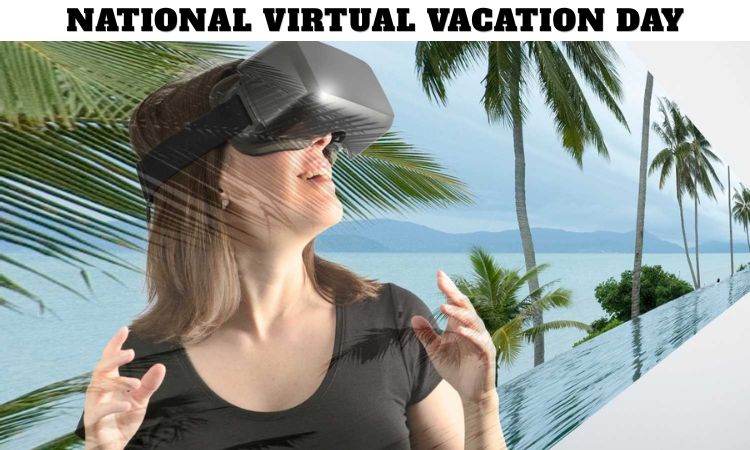
National Virtual Vacation Day, observed on March 30, celebrates the power of technology to transport us across the globe without leaving our homes. In an era where travel may be limited by time, budget, or circumstances, virtual vacations offer an immersive and accessible way to explore destinations, cultures, and experiences from anywhere.
We recognize National Virtual Vacation Day as a modern innovation that combines travel, technology, and creativity. It allows individuals to experience the wonders of the world through digital platforms, redefining how we perceive travel and exploration.
The Concept of Virtual Travel
What is a Virtual Vacation?
A virtual vacation is a digitally simulated travel experience that allows users to explore destinations through:
- 360-degree videos
- Virtual reality (VR) tours
- Interactive maps
- Live-streamed travel experiences
We emphasize that virtual travel provides a realistic and engaging alternative to traditional tourism, offering visual and educational experiences without physical movement.
The Evolution of Virtual Vacations
From Photographs to Immersive Experiences
Travel exploration has evolved significantly over time:
- Early travel relied on books and photographs
- Television introduced documentaries and travel shows
- The internet enabled online videos and blogs
- Modern technology now offers VR and interactive tours
This progression has transformed virtual vacations into highly immersive experiences.
Role of Technology
Technological advancements such as:
- Virtual reality headsets
- Augmented reality applications
- High-definition streaming
have made it possible to experience destinations with remarkable realism and detail.
Why National Virtual Vacation Day Matters?
Accessibility for Everyone
Virtual vacations eliminate barriers associated with traditional travel, including:
- High costs
- Physical limitations
- Time constraints
We highlight that this form of travel ensures global accessibility, allowing everyone to explore the world.
Educational Opportunities
Virtual travel offers valuable learning experiences by providing insights into:
- Geography
- History
- Culture
It enables users to gain knowledge while enjoying the experience of exploration.
Environmental Benefits
By reducing the need for physical travel, virtual vacations contribute to:
- Lower carbon emissions
- Reduced environmental impact
- Sustainable tourism practices
Popular Virtual Vacation Experiences
Exploring Iconic Landmarks
Virtual tours allow users to visit famous landmarks such as:
- Eiffel Tower
- Great Wall of China
- Taj Mahal
These experiences provide detailed views and historical context.
Museums and Cultural Sites
Many world-renowned museums offer virtual tours, enabling users to explore:
- Art collections
- Historical artifacts
- Cultural exhibitions
Nature and Adventure Experiences
Virtual vacations also include:
- National parks
- Wildlife safaris
- Underwater exploration
These experiences allow users to connect with nature from the comfort of their homes.
Benefits of Virtual Vacations
Cost-Effective Travel
Virtual travel eliminates expenses such as:
- Flights
- Accommodation
- Food and transportation
This makes it an affordable alternative for exploring multiple destinations.
Convenience and Flexibility
Users can explore destinations:
- At any time
- From any location
- At their own pace
Safe and Stress-Free
Virtual vacations remove common travel challenges such as:
- Visa requirements
- Travel risks
- Language barriers
We emphasize that this provides a stress-free travel experience.
How to Celebrate National Virtual Vacation Day?
1. Take a Virtual Tour
Choose a destination and explore it through online platforms offering virtual tours.
2. Use Virtual Reality Devices
Enhance your experience with VR headsets for a more immersive journey.
3. Watch Travel Documentaries
Explore different cultures and places through high-quality documentaries.
4. Learn About New Cultures
Engage with cultural content, including:
- Cuisine
- Traditions
- Languages
5. Share Your Experience
Discuss your virtual travels with friends and family or share them online.
The Role of Virtual Vacations in Modern Tourism
Virtual travel has become an integral part of the tourism industry. It serves as:
- A preview for future trips
- A marketing tool for destinations
- An alternative for those unable to travel
We observe that virtual vacations complement traditional travel rather than replace it.
Challenges of Virtual Travel
While virtual vacations offer numerous benefits, they also have limitations:
- Lack of physical interaction
- Limited sensory experience
- Dependence on technology
Despite these challenges, advancements continue to improve the realism and engagement of virtual travel.
Future of Virtual Vacations
The future of virtual travel is promising, with innovations such as:
- Enhanced VR experiences
- Interactive storytelling
- Integration with artificial intelligence
These developments will make virtual vacations even more immersive and personalized.
Conclusion
National Virtual Vacation Day on March 30 highlights the transformative power of technology in redefining travel. By enabling global exploration from anywhere, virtual vacations make travel more inclusive, educational, and sustainable.
Frequently Asked Questions (FAQs)
1. What is National Virtual Vacation Day?
It is observed on March 30 to celebrate digital travel experiences that allow people to explore destinations virtually.
2. What is a virtual vacation?
A virtual vacation is a simulated travel experience using digital tools like videos, VR, and online tours.
3. Why is virtual travel important?
It provides accessible, affordable, and educational travel experiences.
4. How can I take a virtual vacation?
You can use online platforms, VR devices, or watch travel content to explore destinations.
5. Are virtual vacations realistic?
Modern technology offers highly immersive and realistic experiences.
6. What are the benefits of virtual travel?
Benefits include cost savings, convenience, accessibility, and environmental sustainability.
7. Can virtual vacations replace real travel?
They complement but do not fully replace physical travel experiences.
8. What destinations can I explore virtually?
You can visit landmarks, museums, natural sites, and cities worldwide.
9. Is virtual travel suitable for education?
Yes, it provides valuable insights into geography, history, and culture.
10. What is the future of virtual vacations?
The future includes more immersive and personalized experiences using advanced technology.