

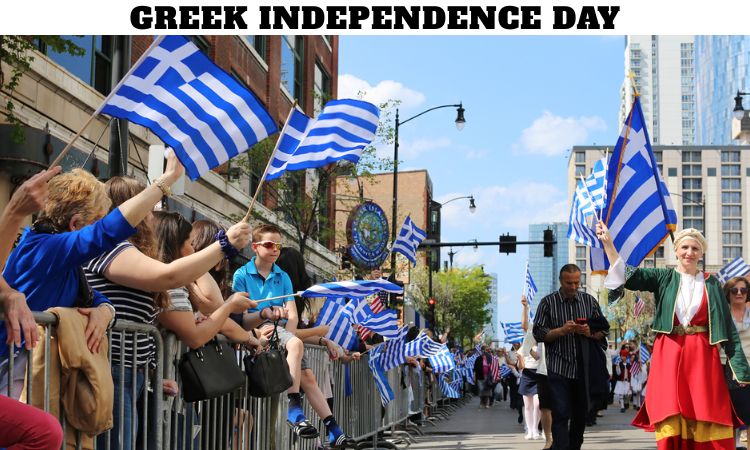
We recognize Greek Independence Day, celebrated annually on March 25, as one of the most important national holidays in Greece. This historic occasion commemorates the beginning of the Greek War of Independence in 1821, when the Greek people rose against centuries of Ottoman rule to reclaim their sovereignty. The day symbolizes national pride, freedom, cultural identity, and resilience, making it a powerful reminder of the country’s heroic past and enduring spirit.
Observed with grand military parades, religious ceremonies, cultural events, and patriotic festivities, Greek Independence Day unites Greeks across the globe. The celebration is not only a tribute to the revolutionary heroes but also a reaffirmation of the nation’s democratic values and historical legacy.
Historical Background of Greek Independence Day
Ottoman Rule and the Desire for Freedom
For nearly four centuries, Greece was under the control of the Ottoman Empire. During this period, Greeks preserved their language, Orthodox Christian faith, and cultural traditions, which became central to their identity. Despite the hardships of foreign domination, the aspiration for independence remained strong among intellectuals, clergy, and local leaders.
By the late 18th and early 19th centuries, the influence of the European Enlightenment and revolutionary movements inspired Greek patriots to envision a free and unified nation. Secret societies such as the Filiki Eteria played a crucial role in organizing resistance and preparing for the uprising.
The Outbreak of the Greek War of Independence
The revolution officially began on March 25, 1821, when Bishop Germanos of Patras is believed to have raised the flag of revolution at the Monastery of Agia Lavra. This symbolic act ignited widespread rebellions across the Peloponnese and other regions.
Greek fighters, known as klephts and armatoloi, launched coordinated attacks against Ottoman forces. Despite limited resources, their determination and strategic alliances with European supporters helped sustain the revolutionary movement.
Key Figures of the Greek Revolution
Theodoros Kolokotronis
We acknowledge Theodoros Kolokotronis as one of the most influential military leaders of the revolution. His tactical brilliance and leadership inspired Greek forces during decisive battles, particularly in the Peloponnese.
Alexandros Ypsilantis
As a leader of the Filiki Eteria, Alexandros Ypsilantis initiated revolutionary activities in the Danubian Principalities. His efforts helped ignite the broader independence movement.
Laskarina Bouboulina
Among the notable heroines of the revolution, Laskarina Bouboulina stands out for her naval leadership. She funded and commanded ships that played vital roles in maritime confrontations against Ottoman forces.
International Support and Recognition
The Greek struggle for independence captured the imagination of European intellectuals and political leaders. Known as Philhellenism, this movement saw volunteers, financial aid, and diplomatic backing flow into Greece.
Countries such as Britain, France, and Russia eventually intervened, leading to the decisive Battle of Navarino in 1827. This naval victory weakened Ottoman control and paved the way for the establishment of modern Greece as an independent state in 1830.
Religious Significance of March 25
Greek Independence Day coincides with the Feast of the Annunciation, a major event in the Greek Orthodox Church. This dual significance strengthens the spiritual and national dimensions of the celebration.
Church services across Greece honor both the Virgin Mary’s annunciation and the sacrifices made by revolutionary heroes. The combination of faith and patriotism reflects the historical role of the Church in preserving Greek identity during Ottoman rule.
How is Greek Independence Day Celebrated?
Military Parades and National Ceremonies
We witness grand military parades in Athens and other major cities, showcasing Greece’s armed forces and honoring the bravery of past generations. These parades include marching bands, historical uniforms, and flag-bearing units, creating a powerful visual tribute to national unity.
Government officials and dignitaries lay wreaths at monuments dedicated to fallen heroes, reinforcing the nation’s commitment to remembering its history.
Cultural Performances and Folk Traditions
Traditional Greek dances, music, and theatrical reenactments bring the revolutionary era to life. Communities organize events featuring folk costumes, storytelling, and patriotic songs, allowing younger generations to connect with their heritage.
Schools play a vital role by hosting student parades and educational programs focused on the revolution’s significance.
Festivities in Greek Diaspora Communities
Greek Independence Day is also celebrated worldwide, especially in countries with large Greek populations. Cities such as New York, Melbourne, and Toronto host vibrant parades, cultural exhibitions, and community gatherings.
These global celebrations highlight the enduring connection between Greek identity and cultural pride, regardless of geographic location.
Traditional Foods Associated with the Holiday
Greek Independence Day is marked by distinctive culinary traditions. One of the most iconic dishes is bakaliaros skordalia, a combination of fried salted cod and garlic potato dip. This meal reflects the religious observance of the Annunciation, during which fish is permitted despite the fasting season.
Families also prepare spanakopita, dolmades, and sweet pastries, turning the holiday into a joyful occasion filled with hospitality and shared meals.
Symbols of Greek Independence
The Greek Flag
The blue and white Greek flag is a central symbol of independence. Its nine stripes represent the revolutionary motto “Freedom or Death,” while the cross signifies the influence of Orthodox Christianity.
Revolutionary Monuments and Sites
Historic locations such as Agia Lavra Monastery and the Peloponnesian battlefields serve as enduring reminders of the nation’s struggle. Visiting these sites during Independence Day offers a deeper appreciation of the sacrifices made for freedom.
Educational Importance and National Identity
We understand Greek Independence Day as more than a historical commemoration; it is a foundation of national consciousness. Educational institutions emphasize the values of courage, unity, and democratic ideals, encouraging citizens to honor their heritage.
Through literature, art, and public discourse, the revolution continues to inspire modern Greek society. The holiday strengthens collective memory and fosters a sense of belonging.
Modern-Day Relevance of Greek Independence Day
In contemporary Greece, Independence Day serves as a moment for reflection and renewal. Citizens celebrate achievements while acknowledging ongoing challenges. The spirit of resilience demonstrated in 1821 remains relevant in addressing economic, social, and geopolitical issues.
The day also promotes tourism and cultural diplomacy, attracting visitors eager to experience authentic Greek traditions. Museums, heritage sites, and public events provide immersive opportunities to explore the nation’s past.
Tourism and Experiencing Greek Independence Day
Travelers visiting Greece on March 25 can enjoy a unique blend of historical pageantry and festive energy. Key destinations include:
- Athens, for the official military parade and ceremonial events
- Patras, associated with revolutionary symbolism
- Nafplio, Greece’s first capital, is rich in historical architecture
- Peloponnese towns, where reenactments and local celebrations create an authentic atmosphere
Experiencing Independence Day firsthand offers insights into Greek hospitality, patriotism, and cultural continuity.
Conclusion: A Timeless Celebration of Freedom
Greek Independence Day on March 25 stands as a powerful testament to the enduring human quest for liberty, dignity, and self-determination. We honor the revolutionaries who transformed a dream into reality and laid the foundation for a sovereign nation.
Frequently Asked Questions (FAQs)
1. What is Greek Independence Day?
Greek Independence Day is a national holiday in Greece, celebrated on March 25, marking the beginning of the Greek struggle for freedom from Ottoman rule in 1821.
2. Why is Greek Independence Day celebrated on March 25?
The date symbolizes the start of the revolution, traditionally linked to the raising of the revolutionary flag at the Agia Lavra Monastery, which inspired widespread uprisings.
3. What historical event does Greek Independence Day commemorate?
It commemorates the Greek War of Independence, a major conflict that eventually led to the formation of an independent Greek state.
4. Who were some important leaders of the Greek Revolution?
Key figures include Theodoros Kolokotronis, Alexandros Ypsilantis, and Laskarina Bouboulina.
5. How do people celebrate Greek Independence Day in Greece?
Celebrations include military parades, cultural performances, church services, flag displays, and school events in major cities such as Athens.
6. What is the religious significance of March 25 in Greece?
The day also marks the Feast of the Annunciation, making it both a national and religious celebration for the Greek people.
7. What traditional food is eaten on Greek Independence Day?
A popular dish is Bakaliaros Skordalia, which consists of fried salted cod served with a garlic-flavored potato dip.
8. Did other countries support Greece during its independence struggle?
Yes, European powers like Britain, France, and Russia supported Greece, especially during the decisive Battle of Navarino.
9. Is Greek Independence Day celebrated outside Greece?
Yes, Greek communities around the world organize parades, festivals, and cultural programs in cities such as New York City and Melbourne.
10. Why is Greek Independence Day important today?
It remains important as a symbol of freedom, national unity, cultural pride, and historical remembrance, inspiring future generations to value independence and democratic ideals.