

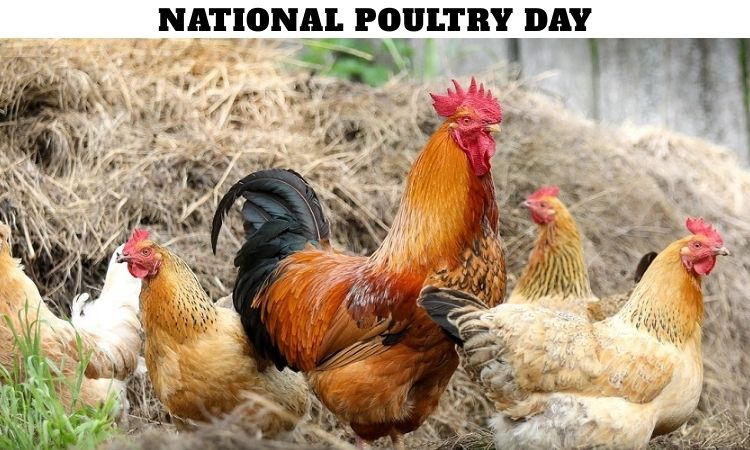
Every year on March 19, food lovers, farmers, chefs, and nutrition experts come together to observe National Poultry Day, a special occasion dedicated to recognizing the immense value of poultry in our daily lives. From providing essential nutrition to supporting livelihoods and contributing to global culinary traditions, poultry plays a significant role in shaping modern food systems. This day serves as an opportunity for us to appreciate the journey of poultry from farms to dining tables and to understand its cultural, economic, and nutritional importance.
Understanding Poultry and Its Global Significance
Poultry refers to domesticated birds raised for their meat and eggs, including chickens, turkeys, ducks, and geese. Among these, chicken remains the most widely consumed poultry product worldwide due to its affordability, versatility, and rich nutritional profile. Poultry farming has become one of the fastest-growing agricultural sectors, contributing significantly to food security and economic development.
National Poultry Day allows us to highlight how poultry supports both urban and rural communities. It encourages awareness about responsible farming practices, sustainable production, and ethical consumption. As global populations grow, poultry continues to serve as a reliable and efficient source of animal protein.
The History Behind National Poultry Day
While the precise origins of National Poultry Day are not clearly documented, the observance has gained popularity over time through agricultural organizations, culinary communities, and food enthusiasts. The day was created to acknowledge the contributions of poultry farmers, processors, distributors, and chefs who ensure that high-quality poultry products reach consumers safely.
Historically, poultry domestication dates back thousands of years, with chickens believed to have originated in Southeast Asia. Over centuries, poultry became a staple in diets across continents, influencing traditional cuisines and festive meals.
Nutritional Benefits of Poultry
One of the key reasons poultry holds such importance is its impressive nutritional value. Poultry meat is rich in high-quality protein, essential amino acids, vitamins, and minerals. Regular consumption in balanced amounts can support muscle development, immune function, and overall well-being.
High Protein Content
Chicken and turkey provide lean protein that helps in maintaining muscle mass and repairing tissues. This makes poultry a popular choice among athletes and fitness enthusiasts.
Essential Vitamins and Minerals
Poultry contains vital nutrients such as Vitamin B6, Vitamin B12, niacin, zinc, and phosphorus, which contribute to energy metabolism and brain health.
Lower Fat Options
Skinless poultry offers a healthier alternative to red meat, particularly for individuals seeking to manage cholesterol and maintain heart health.
Economic Impact of Poultry Farming
The poultry industry supports millions of livelihoods globally. From small-scale backyard farms to large commercial operations, poultry farming generates employment in breeding, feed production, transportation, processing, and retail.
In many developing regions, poultry farming provides financial independence for families, especially women entrepreneurs who manage small poultry units. National Poultry Day helps us recognize these contributions and promotes investment in agricultural innovation.
Popular Poultry Dishes Around the World
Poultry’s adaptability has led to the creation of diverse culinary traditions. Celebrating National Poultry Day often involves preparing or enjoying signature poultry dishes that reflect cultural heritage.
Roast Chicken
A timeless classic, roast chicken is enjoyed across continents. Its crispy skin and tender meat make it a centerpiece for family gatherings and festive meals.
Fried Chicken
Known for its crunchy coating and juicy interior, fried chicken has become a global comfort food favorite.
Grilled Chicken Skewers
Often marinated with herbs and spices, grilled poultry skewers offer a smoky flavor and are popular at outdoor celebrations.
Turkey Dishes
Turkey is frequently associated with holiday feasts and special occasions, symbolizing abundance and togetherness.
Duck Specialties
In several Asian and European cuisines, duck is prepared using unique techniques such as roasting, braising, or glazing with flavorful sauces.
How We Can Celebrate National Poultry Day?
There are numerous meaningful ways to observe this food-focused holiday.
Cook a Poultry-Based Meal
Preparing a homemade poultry dish allows us to experiment with flavors and cooking techniques. From simple soups to gourmet entrées, poultry offers endless possibilities.
Support Local Farmers
Purchasing poultry products from local farms promotes sustainable agriculture and strengthens community economies.
Learn About Sustainable Farming
National Poultry Day encourages education on humane farming practices, biosecurity measures, and environmental conservation.
Host a Food Gathering
Organizing a poultry-themed dinner or barbecue brings friends and family together to share delicious meals and conversations.
The Role of Poultry in Food Security
Poultry production is considered one of the most efficient forms of livestock farming. Birds require less land, water, and feed compared to larger animals, making poultry an accessible protein source in resource-constrained regions.
Egg production further enhances food availability, providing affordable nutrition for children and vulnerable populations. Governments and international organizations often promote poultry farming initiatives to combat malnutrition and poverty.
Innovations in the Poultry Industry
Technological advancements continue to transform poultry farming and processing. Modern innovations include:
Automated feeding and climate control systems
Improved breeding techniques for disease resistance
Digital supply chain monitoring
Plant-based and lab-grown poultry alternatives
These developments aim to increase efficiency, reduce environmental impact, and ensure consistent quality for consumers.
Health and Safety Considerations
Responsible poultry consumption involves proper handling and cooking practices. Ensuring food safety helps prevent contamination and promotes public health.
Key guidelines include:
Washing hands before and after handling raw poultry
Cooking meat thoroughly to the recommended temperatures
Storing poultry products at safe refrigeration levels
Avoiding cross-contamination with other foods
National Poultry Day provides an opportunity to reinforce awareness about these essential practices.
Environmental Aspects of Poultry Production
While poultry farming is relatively efficient, it still requires thoughtful resource management. Sustainable approaches include:
Utilizing renewable energy in farm operations
Implementing waste recycling systems
Reducing water consumption
Supporting organic and free-range farming models
Consumers can contribute by choosing ethically sourced poultry products and minimizing food waste.
Fun Activities for Families and Communities
Engaging children and communities in poultry-themed activities can make National Poultry Day both educational and entertaining.
Ideas include:
Visiting local farms or agricultural fairs
Cooking classes focused on poultry recipes
Nutrition workshops in schools
Food donation drives featuring poultry meals
Such initiatives foster appreciation for agriculture and encourage healthy eating habits.
Cultural Symbolism of Poultry
Beyond nutrition and economics, poultry holds symbolic meaning in various cultures. Chickens often represent prosperity and fertility, while roosters symbolize vigilance and courage. Poultry dishes frequently appear in religious ceremonies, weddings, and harvest festivals, reflecting their deep-rooted significance in human traditions.
Future Trends in Poultry Consumption
The future of poultry is shaped by evolving consumer preferences. There is a growing demand for:
Organic and antibiotic-free poultry
Ready-to-cook and ready-to-eat products
High-protein diet options
Ethical and transparent sourcing
As innovation continues, poultry will remain a central component of global diets while adapting to sustainability goals and lifestyle changes.
Conclusion: Honoring Poultry’s Role in Our Lives
National Poultry Day on March 19 is more than a celebration of food; it is a recognition of the intricate network that brings poultry from farm to fork. By appreciating farmers, exploring culinary traditions, and adopting responsible consumption habits, we strengthen our connection to one of the world’s most vital food resources.
Frequently Asked Questions (FAQs)
1. When is National Poultry Day celebrated?
National Poultry Day is celebrated every year on March 19 to recognize the importance of poultry in food, farming, and nutrition.
2. What does the term poultry include?
Poultry includes domesticated birds raised for meat and eggs such as chickens, turkeys, ducks, and geese.
3. Why is National Poultry Day important?
The day highlights the nutritional value of poultry, the contribution of poultry farmers, and the role of poultry in global food security.
4. How can people celebrate National Poultry Day?
People can celebrate by cooking poultry dishes, supporting local farms, learning about sustainable farming, or hosting food gatherings.
5. Is poultry considered a healthy protein source?
Yes, poultry is a lean source of high-quality protein and contains essential vitamins and minerals that support overall health.
6. What are some popular poultry dishes enjoyed worldwide?
Common dishes include roast chicken, fried chicken, grilled chicken skewers, turkey roasts, and duck specialties.
7. How does poultry farming support the economy?
Poultry farming creates employment opportunities in agriculture, processing, transportation, and retail sectors.
8. What food safety practices should be followed when handling poultry?
It is important to cook poultry thoroughly, store it properly, wash hands after handling, and avoid cross-contamination.
9. Why is poultry important for food security?
Poultry is relatively affordable, easy to raise, and efficient in converting feed into protein, making it accessible in many regions.
10. Are there sustainable poultry farming practices?
Yes, sustainable methods include free-range farming, waste management systems, reduced antibiotic use, and responsible resource utilization.