

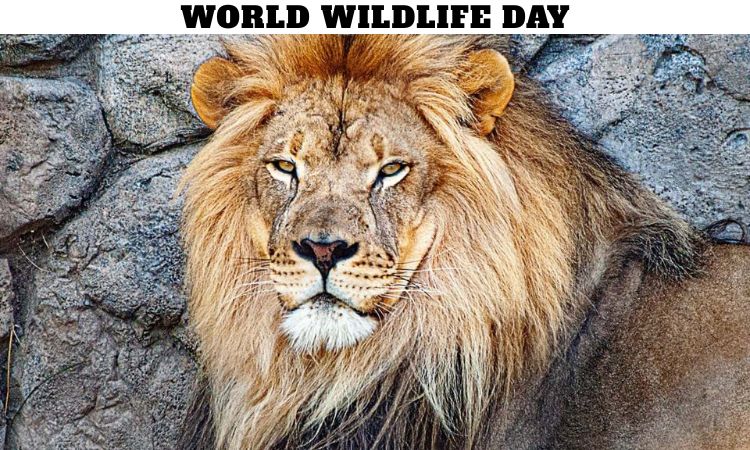
What Is World Wildlife Day and Why Is It Celebrated on March 3?
World Wildlife Day, observed annually on March 3, is a global event dedicated to celebrating the beauty, diversity, and importance of wild animals and plants while raising awareness about the urgent need for conservation. The day was proclaimed by the United Nations to highlight the value of biodiversity and promote international cooperation in protecting endangered species and ecosystems.
The date marks the anniversary of the signing of the Convention on International Trade in Endangered Species of Wild Fauna and Flora (CITES), a landmark agreement designed to ensure that international trade does not threaten species survival. This connection gives March 3 a strong symbolic meaning in the global conservation movement.
We recognize World Wildlife Day as an opportunity to inspire action, educate communities, and strengthen global commitment toward preserving the natural world for future generations.
Why Is Wildlife Important for the Planet and Humanity?
Wildlife plays a critical role in maintaining ecological balance and supporting life on Earth. Healthy ecosystems provide essential services that benefit humanity, including:
Clean air and water
Pollination of crops
Climate regulation
Medicinal resources
Food security
Soil fertility
Natural disaster protection
We understand that biodiversity loss directly affects human survival, economies, and overall well-being. Protecting wildlife is therefore not only an environmental responsibility but also a human necessity.
What Are the Biggest Threats Facing Wildlife Today?
Wildlife across the globe faces unprecedented challenges due to human activities and environmental changes. Major threats include:
Habitat Destruction
Deforestation, urbanization, agricultural expansion, and infrastructure development reduce natural habitats, forcing species toward extinction.
Climate Change
Rising temperatures, changing weather patterns, and extreme events disrupt ecosystems and migration patterns.
Illegal Wildlife Trade
Poaching and trafficking of animals and plants for commercial purposes threaten numerous species worldwide.
Pollution
Plastic waste, chemical contamination, and air pollution harm both terrestrial and marine life.
Overexploitation
Unsustainable hunting, fishing, and resource extraction place immense pressure on wildlife populations.
We emphasize that addressing these threats requires coordinated global action and sustainable practices.
How Does World Wildlife Day Promote Conservation Awareness?
World Wildlife Day encourages governments, organizations, and individuals to participate in conservation efforts through:
Educational campaigns
Wildlife documentaries and exhibitions
Community programs
School activities
Social media awareness initiatives
Conservation fundraising events
Policy discussions and environmental conferences
These activities increase public understanding and inspire behavioral changes that support biodiversity protection.
We observe that awareness is the first step toward meaningful environmental action.
What Role Do Governments and Organizations Play in Wildlife Protection?
Governments and international organizations implement policies, laws, and programs to protect wildlife and natural habitats. Key actions include:
Establishing national parks and protected areas
Enforcing anti-poaching laws
Supporting conservation research
Regulating wildlife trade
Promoting sustainable development
Funding conservation initiatives
Global cooperation remains essential because wildlife conservation often involves cross-border ecosystems and migratory species.
Why Is Biodiversity Essential for Sustainable Development?
Biodiversity supports sustainable development by maintaining ecosystems that provide resources for agriculture, medicine, tourism, and industry. Economic sectors such as fisheries, forestry, and ecotourism depend heavily on healthy wildlife populations.
We recognize that protecting biodiversity contributes to poverty reduction, economic stability, and long-term environmental sustainability.
What Are Some Iconic Endangered Species That Need Protection?
Many species face extinction risks due to human impact. Some well-known examples include:
Elephants threatened by ivory poaching
Tigers are facing habitat loss and illegal hunting
Rhinos targeted for their horns
Sea turtles are affected by pollution and fishing nets
Polar bears impacted by climate change
Orangutans are losing rainforest habitats
We highlight these species to emphasize the urgency of conservation efforts and the need for global awareness.
How Can Individuals Contribute to Wildlife Conservation?
Every individual has the power to make a difference. Effective actions include:
Supporting conservation organizations
Avoiding products made from endangered species
Reducing plastic consumption
Promoting sustainable lifestyles
Participating in awareness campaigns
Supporting eco-friendly tourism
Educating others about wildlife protection
We believe collective individual efforts create meaningful global impact.
What Is the Importance of Wildlife Education for Future Generations?
Educating children and young people about wildlife fosters environmental responsibility and long-term conservation commitment. Schools and educational institutions play a crucial role by:
Teaching biodiversity concepts
Organizing nature activities
Encouraging environmental projects
Promoting scientific curiosity
Building empathy toward animals and ecosystems
We understand that future conservation success depends on environmentally conscious generations.
How Does Technology Help Protect Wildlife?
Modern technology has transformed conservation efforts through innovative tools such as:
Satellite tracking of animal movements
Drone surveillance for anti-poaching operations
Artificial intelligence for species monitoring
Camera traps for wildlife research
DNA analysis for identifying illegal trade
These technologies improve efficiency, accuracy, and global collaboration in wildlife protection.
We see technological advancement as a powerful ally in conservation strategies.
What Role Does Wildlife Play in Culture and Society?
Wildlife has inspired art, literature, mythology, and traditions across civilizations. Animals symbolize strength, wisdom, and spirituality in many cultures. National emblems, folklore, and festivals often incorporate wildlife themes.
We recognize that protecting wildlife also preserves cultural heritage and human identity connected to nature.
How Does Wildlife Conservation Benefit the Economy?
Conservation contributes significantly to economic growth through sectors such as ecotourism, research, and sustainable resource management. National parks and wildlife reserves attract millions of tourists annually, generating employment and revenue.
We understand that conservation and economic development can coexist through responsible management practices.
Why Is International Cooperation Essential for Wildlife Protection?
Wildlife does not recognize political borders. Migratory species travel across continents, and environmental challenges affect global ecosystems. International agreements and cooperation ensure:
Shared conservation knowledge
Coordinated protection strategies
Enforcement against illegal trade
Funding for conservation programs
Policy alignment across nations
We emphasize that global challenges require unified global solutions.
What Is the Theme of World Wildlife Day Each Year?
Each year, World Wildlife Day focuses on a specific theme highlighting critical conservation issues such as marine biodiversity, forest ecosystems, or technology in conservation. These themes guide awareness campaigns and policy discussions.
We see annual themes as tools that direct global attention toward pressing environmental priorities.
How Can Communities Celebrate World Wildlife Day?
Communities can celebrate by organizing activities that promote environmental responsibility, including:
Tree planting initiatives
Wildlife photography exhibitions
Educational workshops
Nature walks and clean-up drives
Conservation seminars
Art competitions for students
Such initiatives create local engagement while contributing to global awareness.
What Does the Future of Wildlife Conservation Look Like?
The future of wildlife conservation depends on sustainable development, scientific innovation, policy commitment, and public awareness. Key priorities include:
Expanding protected areas
Restoring ecosystems
Combating climate change
Strengthening environmental laws
Promoting community-based conservation
Supporting research and education
We believe a balanced relationship between humans and nature is essential for long-term planetary health.
Why Does March 3 Matter for the Planet?
March 3 serves as a reminder that wildlife conservation is a shared global responsibility. World Wildlife Day encourages individuals, communities, and nations to work together toward protecting Earth’s biodiversity.
We recognize this day as a celebration of nature’s beauty and a call to action to safeguard ecosystems for future generations.
Protecting wildlife means protecting humanity’s future, ensuring that the richness of life on Earth continues to thrive.