

What Is National Tile Day and Why Is It Celebrated on February 23?
National Tile Day, observed annually on February 23, is a celebration of the timeless beauty, durability, and versatility of tile in architecture and design. This special day recognizes the craftsmanship, innovation, and functionality that tile brings to residential, commercial, and public spaces. From elegant marble floors to intricate mosaic backsplashes, tile has shaped interior and exterior design for centuries.
National Tile Day highlights how tile enhances both aesthetic appeal and structural integrity. It honors designers, architects, manufacturers, installers, and homeowners who rely on tile to create spaces that are visually stunning, practical, and sustainable.
What Is the Historical Significance of Tile in Architecture?
Tile has been an essential building material for thousands of years. Ancient civilizations, including the Egyptians, Greeks, Romans, Persians, and Chinese, used tile for decorative and functional purposes. Archaeological discoveries reveal intricate mosaic floors and glazed ceramic walls that have survived centuries of wear.
Roman bathhouses featured elaborate mosaic patterns crafted from small stone tiles known as tesserae. Islamic architecture incorporated geometric tile designs into mosques and palaces, creating vibrant surfaces that reflected cultural artistry. In Europe, hand-painted tiles became prominent during the Renaissance, while Asian cultures refined porcelain tile techniques.
National Tile Day recognizes this deep historical legacy and the role tile has played in shaping global architecture.
Why Is Tile Such a Popular Choice in Modern Construction?
Tile remains a preferred building material due to its exceptional durability and low maintenance requirements. Unlike many other flooring and wall options, tile resists moisture, stains, scratches, and heat. This makes it ideal for kitchens, bathrooms, entryways, and outdoor spaces.
Modern advancements have expanded tile’s applications. Porcelain and ceramic tiles now mimic natural stone, hardwood, and concrete with remarkable realism. This versatility allows homeowners and designers to achieve luxurious aesthetics without sacrificing practicality.
Tile is also environmentally friendly. Many manufacturers use recycled materials and sustainable production processes. Its long lifespan reduces the need for frequent replacement, minimizing waste over time.
What Are the Different Types of Tile Available Today?
Understanding tile varieties helps in selecting the right material for specific applications. The most common types include:
Ceramic Tile
Made from clay and fired at high temperatures, ceramic tile is affordable and widely used for walls and floors. It offers a variety of finishes and colors.
Porcelain Tile
Denser and more durable than ceramic, porcelain tile resists moisture and is suitable for high-traffic areas and outdoor installations.
Natural Stone Tile
Marble, granite, slate, and travertine tiles provide luxurious appeal and unique natural patterns.
Glass Tile
Often used for backsplashes and accent walls, glass tile adds reflective beauty and vibrant color.
Mosaic Tile
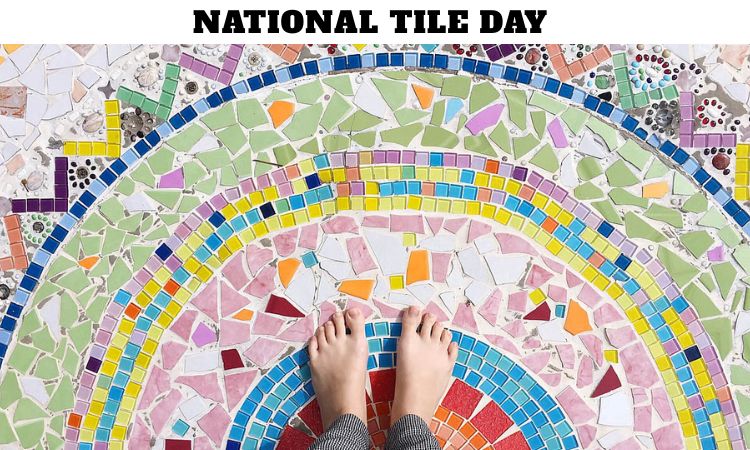
Small tiles arranged in intricate patterns create artistic designs and decorative features.
Each type contributes distinct qualities, allowing for endless design possibilities.
How Does Tile Enhance Interior Design?
Tile transforms spaces through texture, color, and pattern. In kitchens, decorative backsplashes create focal points while protecting walls from spills. In bathrooms, tiled showers and floors provide water resistance and visual elegance.
Large-format tiles create seamless, contemporary aesthetics. Patterned encaustic tiles add character and vintage charm. Neutral stone-look tiles evoke sophistication, while bold geometric designs introduce modern flair.
On National Tile Day, designers and homeowners celebrate how tile elevates interiors from ordinary to extraordinary.
What Are the Benefits of Using Tile Flooring?
Tile flooring offers numerous advantages:
Durability – Resistant to wear and tear
Water resistance – Ideal for wet areas
Low maintenance – Easy to clean and maintain
Hypoallergenic – Does not trap dust or allergens
Longevity – Can last decades with proper installation
These benefits make tile a cost-effective investment. While initial installation may require professional expertise, its long-term performance justifies the choice.
How Is Tile Used in Outdoor Spaces?
Outdoor-rated tiles extend design continuity beyond interior walls. Porcelain pavers are popular for patios, pool decks, and walkways due to their slip resistance and weather durability.
Tile resists fading under sunlight and withstands temperature fluctuations. This makes it suitable for exterior facades and landscaping features. On National Tile Day, the versatility of tile in both indoor and outdoor settings takes center stage.
How Can We Celebrate National Tile Day?
Celebrating National Tile Day can involve creative and practical activities:
Explore Design Inspiration
Browse showrooms or online galleries to discover emerging tile trends and innovative layouts.
Plan a Renovation Project
Consider upgrading a backsplash, bathroom floor, or outdoor patio with new tile designs.
Support Local Tile Installers
Hire skilled professionals to ensure precise installation and long-lasting results.
Learn About Sustainable Tile Options
Research eco-friendly tile brands that prioritize recycled materials and responsible manufacturing.
Share Before-and-After Projects
Homeowners and designers can showcase transformations that highlight the impact of tile.
National Tile Day encourages appreciation for craftsmanship and thoughtful design.
What Are the Latest Trends in Tile Design?
Tile trends evolve with changing aesthetic preferences and technological advancements. Current design movements include:
Large-format tiles for seamless appearances
Wood-look porcelain tiles combining warmth with durability
Matte finishes for understated elegance
Bold patterned tiles inspired by global artistry
Textured tiles adding dimension and tactile appeal
These trends reflect the growing desire for personalized spaces that blend beauty with function.
How Important Is Professional Tile Installation?
Proper installation determines the longevity and performance of tile. Precise measurement, surface preparation, and grout application ensure stability and durability. Improper installation can lead to cracks, uneven surfaces, and moisture damage.
Skilled installers understand subfloor requirements, spacing, and sealing techniques. Investing in professional expertise enhances both appearance and structural reliability.
National Tile Day honors not only the material but also the craftsmanship behind flawless installations.
What Maintenance Practices Keep Tile Looking New?
Maintaining tile is straightforward:
Sweep or vacuum regularly to remove debris
Mop with mild cleaning solutions
Reseal natural stone periodically
Inspect grout lines and repair as needed
These simple practices preserve tile’s appearance and extend its lifespan.
Why Is Tile Considered a Sustainable Choice?
Tile contributes to sustainable building practices due to its longevity and eco-friendly composition. Many tiles are made from natural materials such as clay and sand. Recycled content and energy-efficient production methods further reduce environmental impact.
Tile’s thermal properties also enhance energy efficiency by retaining coolness in warm climates. This can reduce reliance on air conditioning, supporting greener living.
How Does Tile Increase Property Value?
High-quality tile installations add measurable value to homes and commercial properties. Buyers appreciate durable, stylish finishes that require minimal maintenance. Updated bathrooms and kitchens featuring modern tile designs often attract higher resale prices.
Tile’s enduring appeal ensures that renovations remain relevant for years, making it a smart investment.
Why Does National Tile Day Matter Today?
In an era focused on design innovation and sustainable living, National Tile Day emphasizes the enduring relevance of tile. It celebrates how ancient craftsmanship continues to influence contemporary architecture.
February 23 provides an opportunity to reflect on how tile integrates art and engineering. It showcases a material that bridges history and modernity, tradition and technology.
Conclusion: Why Should We Celebrate National Tile Day?
National Tile Day on February 23 is a tribute to one of the most versatile and enduring materials in design history. From ancient mosaics to modern porcelain slabs, tile continues to shape the spaces where we live and work.