

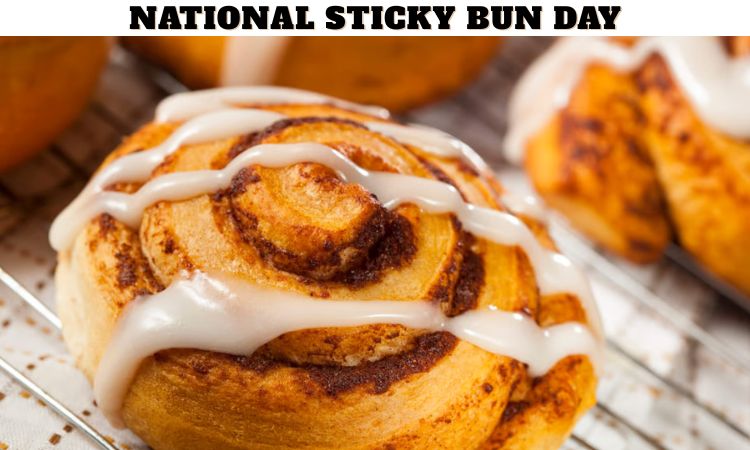
What Is National Sticky Bun Day – February 21?
National Sticky Bun Day is celebrated every year on February 21 to honor one of the most beloved sweet breakfast pastries in the United States—the sticky bun. Known for its rich caramel glaze, soft dough, and gooey texture, the sticky bun is a treat that brings comfort and indulgence in every bite. This food holiday is a chance for bakeries, home cooks, and dessert lovers to enjoy and share this classic pastry.
Sticky buns are typically made from sweet yeast dough rolled with cinnamon and sugar, topped with a buttery caramel glaze, and often finished with pecans or other nuts. When baked, the glaze melts into a sticky, golden topping that gives the pastry its signature appearance and flavor.
What Exactly Is a Sticky Bun?
A sticky bun is a sweet roll similar in appearance to a cinnamon roll but with one important difference—the topping. While cinnamon rolls are often finished with cream cheese icing, sticky buns are baked with a caramelized sugar glaze at the bottom of the pan. Once baked, the pan is inverted so the sticky caramel layer becomes the top.
The result is a pastry that is:
Soft and fluffy inside
Sweet and spiced with cinnamon
Coated in rich caramel sauce
Often topped with pecans
The gooey caramel topping is what makes sticky buns unique and irresistible.
Where Did Sticky Buns Originate?
Sticky buns are widely associated with Pennsylvania Dutch cuisine in the United States. The Pennsylvania Dutch community, descendants of German immigrants who settled in Pennsylvania during the 17th and 18th centuries, brought baking traditions that influenced American pastry culture.
The roots of sticky buns can be traced back to German sweet rolls known as “Schnecken,” which means “snails” due to their spiral shape. These pastries were similar in style and were adapted using locally available ingredients in America.
Over time, sticky buns became especially popular in Pennsylvania and neighboring states, eventually spreading across the country. Today, they are enjoyed in bakeries nationwide.
How Are Sticky Buns Different from Cinnamon Rolls?
Although sticky buns and cinnamon rolls look similar, they differ in preparation and flavor profile.
Sticky Buns:
Baked with caramel glaze at the bottom of the pan
Often include nuts such as pecans
Flipped upside down after baking
Richer and more caramel-focused flavor
Cinnamon Rolls:
Usually topped with icing after baking
May or may not contain nuts
Frosted rather than caramelized
Slightly lighter in sweetness
Both pastries are delicious, but sticky buns are known for their sticky, buttery caramel topping that makes them extra indulgent.
Why Are Sticky Buns So Popular?
Sticky buns combine several flavors and textures that people love: soft bread, sweet cinnamon filling, crunchy nuts, and gooey caramel. This contrast makes them appealing as both a breakfast pastry and a dessert.
Their popularity also stems from their comforting, homemade feel. The aroma of yeast dough rising and cinnamon baking fills kitchens with warmth and nostalgia. Many families pass down sticky bun recipes through generations.
Additionally, sticky buns are often featured in brunch menus and bakery displays, making them a familiar and comforting treat.
How Are Sticky Buns Made?
Traditional sticky buns are made in several steps:
Preparing the Dough: A yeast-based dough is mixed, kneaded, and allowed to rise until soft and elastic.
Rolling and Filling: The dough is rolled out and spread with butter, cinnamon, and sugar.
Shaping: The dough is rolled into a log and sliced into spiral pieces.
Preparing the Glaze: A mixture of butter, brown sugar, and sometimes honey or maple syrup is placed at the bottom of the baking pan. Nuts may be added on top of the glaze.
Baking: The rolls are placed over the glaze and baked until golden.
Flipping: After baking, the pan is inverted so the caramel topping becomes the top layer.
The flipping step creates the signature sticky, glossy finish.
Are There Different Variations of Sticky Buns?
Yes, sticky buns come in many variations. Some popular versions include:
Pecan Sticky Buns: The classic version topped with pecans.
Walnut Sticky Buns: A slightly earthier alternative.
Raisin Sticky Buns: Includes raisins for added sweetness and texture.
Maple Sticky Buns: Features maple syrup in the glaze.
Cream Cheese Sticky Buns: Combines caramel glaze with cream cheese filling.
Modern bakeries often experiment with flavors such as chocolate, pumpkin spice, and even savory twists.
How Is National Sticky Bun Day Celebrated?
National Sticky Bun Day is celebrated in delicious ways across the country. Common activities include:
Visiting local bakeries to enjoy freshly baked sticky buns
Baking homemade sticky buns with family
Sharing recipes on social media
Hosting brunch gatherings featuring sticky buns
Trying creative variations of the classic recipe
Some bakeries offer special discounts or limited-edition flavors to mark the occasion.
Why Is February 21 Chosen for National Sticky Bun Day?
While the exact origin of the holiday is unclear, February 21 falls during the colder months in much of the United States. This makes it the perfect time to enjoy warm, comforting baked goods.
Winter is often associated with cozy foods and sweet treats. Sticky buns, served warm and fresh from the oven, provide comfort during chilly mornings. The holiday offers a mid-winter indulgence that brightens the season.
Are Sticky Buns Considered Breakfast or Dessert?
Sticky buns blur the line between breakfast and dessert. Traditionally, they are served as a breakfast pastry or brunch item, often accompanied by coffee or tea.
However, due to their rich sweetness, they can easily double as a dessert. Some people enjoy them with a scoop of vanilla ice cream or an extra drizzle of caramel sauce.
Their versatility adds to their popularity.
What Makes Sticky Buns So Irresistible?
Several factors contribute to their irresistible appeal:
Texture Contrast: Soft dough combined with sticky caramel and crunchy nuts.
Aroma: The scent of cinnamon and caramel while baking is comforting and inviting.
Sweetness Balance: The caramel topping adds depth beyond simple sugar sweetness.
Visual Appeal: The glossy, golden topping makes them eye-catching.
These elements work together to create a pastry that satisfies multiple senses.
Can Sticky Buns Be Made Healthier?
While sticky buns are traditionally indulgent, there are ways to make lighter versions:
Use whole wheat flour for added fiber
Reduce sugar in the glaze
Substitute natural sweeteners
Limit portion size
Add fruits for natural sweetness
However, National Sticky Bun Day is primarily about celebration rather than strict dietary control. Enjoying treats in moderation is part of a balanced lifestyle.
What Is the Cultural Significance of Sticky Buns?
Sticky buns reflect the rich baking traditions brought to America by European immigrants. The Pennsylvania Dutch community played a significant role in shaping early American cuisine, and sticky buns remain a symbol of that heritage.
They also represent communal baking traditions, where families gathered in kitchens to prepare dough and share stories. Food holidays like National Sticky Bun Day help preserve these culinary traditions.
How Have Sticky Buns Evolved?
Originally baked in home kitchens and small community bakeries, sticky buns have evolved into gourmet creations in modern cafes. Chefs now experiment with artisanal ingredients, organic flours, and creative toppings.
The rise of social media has also contributed to their popularity. Food bloggers and home bakers frequently share visually appealing photos and recipes, inspiring others to try making them at home.
Despite these modern twists, the classic sticky bun remains a timeless favorite.
Why Do Food Holidays Like National Sticky Bun Day Matter?
Food holidays celebrate culinary traditions and bring people together. They offer an opportunity to appreciate cultural history and enjoy shared experiences.
National Sticky Bun Day encourages people to slow down, savor a sweet treat, and connect with others through baking and sharing food. In a busy world, small celebrations centered around comfort food can create meaningful moments.
How Can You Make National Sticky Bun Day Special?
You can celebrate in simple yet enjoyable ways:
Bake sticky buns from scratch for a rewarding kitchen experience
Support a local bakery by purchasing their specialty sticky buns
Host a breakfast gathering with friends
Try a new variation or flavor combination
Teach children how to bake sticky buns as a family activity
Even enjoying one warm sticky bun with a cup of coffee can make the day special.
Conclusion: Why Should You Celebrate National Sticky Bun Day?
National Sticky Bun Day on February 21 celebrates a pastry that combines tradition, flavor, and comfort. With its rich caramel glaze, soft dough, and warm cinnamon aroma, the sticky bun has earned its place as a beloved treat.