

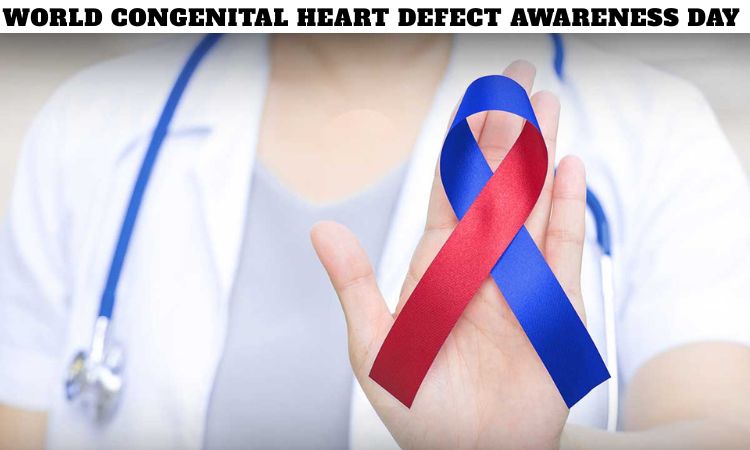
World Congenital Heart Defect Awareness Day – February 14 is a global observance dedicated to increasing awareness about congenital heart defects (CHDs), supporting affected individuals and families, and promoting advancements in diagnosis, treatment, and lifelong care. Celebrated annually on February 14, this important day highlights one of the most common types of birth defects worldwide.
While February 14 is often associated with love and compassion, World Congenital Heart Defect Awareness Day focuses on a deeper message—protecting and strengthening the hearts of children and adults living with congenital heart conditions.
Understanding Congenital Heart Defects (CHDs)
A congenital heart defect is a structural problem with the heart that is present at birth. These defects can affect the heart’s walls, valves, arteries, or veins, disrupting normal blood flow.
CHDs range in severity:
Simple defects, such as small holes between heart chambers
Moderate defects, requiring medical monitoring or intervention
Complex defects, requiring multiple surgeries and lifelong management
Organizations like the World Health Organization recognize congenital heart defects as a significant global health concern.
Why World Congenital Heart Defect Awareness Day Matters?
Congenital heart defects affect approximately 1 in every 100 births worldwide. This makes them among the most common birth anomalies. Despite advances in medicine, many individuals face lifelong challenges.
World Congenital Heart Defect Awareness Day aims to:
Increase public knowledge about CHDs
Encourage early diagnosis and screening
Promote access to quality healthcare
Support families and caregivers
Advocate for research funding
Awareness can lead to earlier detection, improved outcomes, and stronger support systems.
Common Types of Congenital Heart Defects
There are numerous types of CHDs, including:
1. Atrial Septal Defect (ASD)
A hole in the wall separating the heart’s upper chambers.
2. Ventricular Septal Defect (VSD)
A hole between the heart’s lower chambers.
3. Tetralogy of Fallot
A complex condition involving four structural abnormalities.
4. Transposition of the Great Arteries
A condition where major blood vessels are reversed.
5. Coarctation of the Aorta
A narrowing of the main artery carrying blood from the heart.
Institutions such as the Centers for Disease Control and Prevention provide detailed data and research on these conditions.
Causes and Risk Factors
The exact cause of congenital heart defects is often unknown. However, several factors may increase risk:
Genetic conditions such as Down syndrome
Family history of heart defects
Maternal infections during pregnancy
Poorly controlled diabetes
Certain medications during pregnancy
Environmental exposures
Research continues to explore genetic and environmental influences on heart development.
Symptoms of Congenital Heart Defects
Symptoms vary depending on the type and severity of the defect. Common signs may include:
Rapid breathing
Blue tint to lips or skin (cyanosis)
Poor weight gain
Fatigue during feeding in infants
Heart murmurs
Some mild defects may not show symptoms until later in life. Early detection through prenatal screening and newborn examinations is critical.
Diagnosis and Screening
Advances in medical imaging have improved early diagnosis. CHDs may be detected through:
Prenatal ultrasound
Fetal echocardiography
Pulse oximetry screening for newborns
Echocardiograms
Cardiac MRI
Early identification allows doctors to plan treatment immediately after birth, improving survival rates.
Treatment Options
Treatment depends on the specific defect and its severity. Options include:
Medication
Some conditions can be managed with medication to regulate heart rhythm, blood pressure, or fluid balance.
Cardiac Catheterization
Minimally invasive procedures can repair certain defects without open-heart surgery.
Open-Heart Surgery
Complex CHDs may require surgical correction, sometimes in multiple stages.
Heart Transplant
In rare cases, severe defects may necessitate transplantation.
Organizations such as the American Heart Association support research and patient education to improve treatment outcomes.
Living with a Congenital Heart Defect
Due to medical advances, more than 90% of children born with CHDs now survive into adulthood. However, many require lifelong follow-up care.
Living with a congenital heart defect may involve:
Regular cardiology visits
Physical activity modifications
Medication management
Emotional and psychological support
Transitioning from pediatric to adult cardiac care is a critical phase in long-term health management.
The Emotional Impact on Families
A diagnosis of a congenital heart defect can be overwhelming for families. Parents often face emotional stress, financial challenges, and uncertainty about the future.
World Congenital Heart Defect Awareness Day provides a platform to:
Support caregivers
Share survivor stories
Build community connections
Encourage open dialogue
Support groups and counseling services play an important role in helping families cope.
Global Disparities in Care
While advanced treatments are available in many developed countries, access remains limited in low-resource regions. Thousands of children worldwide lack access to life-saving surgery.
World Congenital Heart Defect Awareness Day emphasizes the need for equitable healthcare access and international collaboration.
Medical missions, nonprofit organizations, and volunteer surgeons often travel globally to provide care where it is most needed.
Research and Innovation
Ongoing research focuses on:
Genetic studies
Improved surgical techniques
Artificial heart technologies
Stem cell research
Long-term quality-of-life outcomes
Innovations continue to reduce mortality rates and improve life expectancy for CHD patients.
How to Observe World Congenital Heart Defect Awareness Day?
Communities worldwide mark February 14 with awareness initiatives, including:
Educational seminars
Social media campaigns
Hospital outreach programs
Fundraising events
Wearing red to symbolize heart health
Many landmarks are illuminated in red to promote visibility and solidarity.
The Role of Advocacy
Advocacy efforts aim to:
Increase funding for CHD research
Improve insurance coverage
Promote newborn screening laws
Strengthen support networks
Public awareness can drive policy changes that benefit patients and families.
Prevention and Maternal Health
Although not all congenital heart defects are preventable, certain steps can reduce risk:
Prenatal care
Vaccination against infections
Managing chronic health conditions
Avoiding harmful substances during pregnancy
Healthcare providers emphasize the importance of maternal health in fetal heart development.
Adult Congenital Heart Disease
As survival rates improve, a growing population of adults lives with congenital heart defects. This emerging field, known as Adult Congenital Heart Disease (ACHD), requires specialized care.
Adult patients may face complications such as arrhythmias, heart failure, or pregnancy-related risks.
Dedicated ACHD programs ensure continuity of care across the lifespan.
Community Support and Survivor Stories
Personal stories inspire hope and resilience. Many individuals with CHDs go on to lead active, fulfilling lives—pursuing careers, athletics, and family life.
Sharing experiences on World Congenital Heart Defect Awareness Day fosters understanding and reduces stigma.
The Symbol of the Red Heart
On February 14, the red heart symbolizes more than romance—it represents strength, survival, and solidarity for those affected by congenital heart defects.
Wearing red or displaying heart symbols shows support for the global CHD community.
Conclusion: Strengthening Hearts Through Awareness
World Congenital Heart Defect Awareness Day is a powerful reminder that congenital heart defects affect millions of families worldwide. Through awareness, education, advocacy, and research, lives can be saved and improved.