

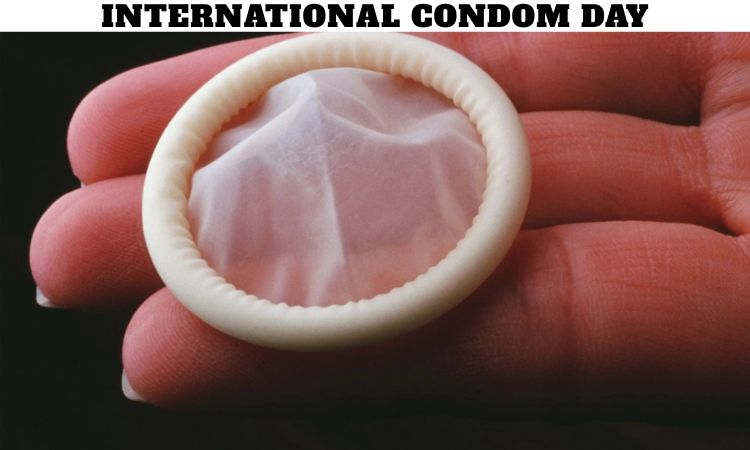
International Condom Day, observed every year on February 13, is a global health awareness initiative dedicated to promoting the importance of safe sex, responsible relationships, and protection against sexually transmitted infections (STIs) and unintended pregnancies. Positioned strategically one day before Valentine’s Day, this observance encourages individuals and couples to prioritize sexual health while celebrating love and intimacy responsibly.
International Condom Day is not merely about distributing contraceptives—it represents a broader movement focused on education, prevention, empowerment, and public health advocacy. Through campaigns, events, and community outreach, organizations worldwide use this day to normalize conversations about sexual wellness and eliminate stigma surrounding condom use.
The Origin and Purpose of International Condom Day
International Condom Day was established by global health organizations to highlight the role of condoms in preventing the transmission of HIV and other sexually transmitted infections. With millions of new STI cases reported annually worldwide, consistent condom use remains one of the most effective preventive tools available.
The purpose of this observance includes:
Raising awareness about HIV/AIDS prevention
Encouraging responsible sexual behavior
Reducing unintended pregnancies
Promoting access to affordable protection
Challenging myths and misconceptions about condoms
By aligning the awareness campaign with Valentine’s Day, International Condom Day reinforces the message that love and intimacy should be accompanied by responsibility and informed choices.
Why February 13 Is Significant?
February is often associated with romance and relationships. By placing International Condom Day on February 13, organizers aim to remind individuals that sexual health is an essential component of healthy relationships.
The timing ensures that conversations about protection take place before Valentine’s Day celebrations. This proactive approach encourages preparedness rather than reactive decision-making.
The Importance of Condom Use in Preventing STIs
Condoms are widely recognized as one of the most effective methods for preventing sexually transmitted infections. When used correctly and consistently, condoms significantly reduce the risk of transmitting:
HIV
Gonorrhea
Chlamydia
Syphilis
Human papillomavirus (HPV)
Hepatitis B
Barrier protection acts as a shield that minimizes direct contact and the exchange of bodily fluids, making it a crucial public health tool.
International Condom Day emphasizes the need for widespread awareness about correct usage techniques to maximize effectiveness.
Reducing Unintended Pregnancies Through Responsible Choices
Beyond STI prevention, condoms serve as a reliable contraceptive method. While no method is 100% effective, proper condom use substantially reduces the likelihood of unintended pregnancies.
The accessibility and affordability of condoms make them a practical option for individuals across diverse socio-economic backgrounds. International Condom Day highlights the importance of education to ensure informed decisions about family planning.
Breaking the Stigma Around Condom Conversations
One of the central challenges in promoting condom use is social stigma. Cultural taboos and misinformation often discourage open discussions about sexual health.
International Condom Day works to normalize these conversations by:
Encouraging open dialogue in communities
Providing youth-friendly education programs
Supporting inclusive sexual health campaigns
Promoting respectful communication between partners
By fostering transparency and eliminating embarrassment, communities can improve overall health outcomes.
Global HIV/AIDS Prevention Efforts
International Condom Day plays a critical role in global HIV prevention initiatives. Despite medical advancements, HIV remains a significant public health issue in many regions.
Condom distribution campaigns, educational workshops, and awareness drives are common on February 13. These efforts aim to:
Increase testing and screening awareness
Promote consistent condom use
Support vulnerable populations
Advocate for universal access to protection
Preventive strategies remain essential in reducing new infections and improving quality of life for those living with HIV.
Youth Education and Sexual Health Awareness
Adolescents and young adults are among the most vulnerable populations when it comes to sexually transmitted infections. Comprehensive sexual education programs often integrate International Condom Day into their curriculum.
Key educational messages include:
Understanding consent
Practicing safe sex
Recognizing symptoms of STIs
Accessing local healthcare resources
Empowering young individuals with accurate information reduces risk-taking behavior and encourages responsible decision-making.
The Role of Healthcare Providers
Healthcare professionals play a vital role in supporting International Condom Day initiatives. Clinics and health centers often:
Provide free or subsidized condoms
Offer confidential counseling
Conduct STI testing and screenings
Distribute educational materials
Medical guidance ensures individuals receive accurate information about condom effectiveness, storage, and proper use.
Correct Condom Usage: Essential Guidelines
Awareness campaigns emphasize that effectiveness depends on correct usage. Important guidelines include:
Checking the expiration date
Inspecting packaging for damage
Using a new condom for each act
Ensuring proper placement before contact
Disposing of condoms safely after use
Education on correct usage minimizes the risk of breakage or slippage, enhancing reliability.
Inclusivity and Access to Protection
International Condom Day promotes inclusivity by recognizing diverse sexual orientations, identities, and relationship structures. Protection should be accessible to everyone, regardless of gender or background.
Efforts focus on:
Expanding distribution in underserved communities
Reducing cost barriers
Addressing cultural sensitivities
Providing gender-inclusive education
Access to protection is a fundamental component of reproductive rights and healthcare equity.
Innovations in Condom Technology
Modern advancements have improved the quality, comfort, and accessibility of condoms. Innovations include:
Ultra-thin materials
Latex-free options for allergy sufferers
Textured designs for enhanced sensation
Sustainable and eco-friendly manufacturing
These developments address user preferences while maintaining safety standards.
International Condom Day Campaigns and Events
Events on February 13 often include:
Public awareness rallies
Social media campaigns
Community outreach programs
Educational seminars
Creative promotional activities
Some organizations use art, humor, and interactive workshops to engage audiences effectively. The goal remains consistent: promoting protection without fear or shame.
Empowering Women Through Condom Awareness
International Condom Day also emphasizes the importance of empowering women in sexual health decisions. Female condoms provide additional control and autonomy, enabling women to take proactive steps in preventing STIs and unintended pregnancies.
Education initiatives highlight the availability and proper use of female condoms, ensuring that responsibility is shared equally between partners.
Addressing Myths and Misconceptions
Misinformation often undermines condom use. Common myths include misconceptions about reduced pleasure, ineffectiveness, or inconvenience.
International Condom Day combats these myths through evidence-based education. Accurate information builds confidence and encourages consistent use.
Public Policy and Global Health Goals
Governments and international organizations align International Condom Day with broader public health objectives, including:
Reducing global HIV transmission rates
Supporting reproductive health rights
Enhancing sexual health education
Achieving sustainable development goals related to health and well-being
Policy support strengthens the impact of grassroots awareness efforts.
The Economic Impact of Prevention
Preventive healthcare measures, including condom use, reduce long-term medical costs associated with treating STIs and unintended pregnancies. Public health systems benefit significantly from prevention-focused strategies.
International Condom Day underscores the economic advantages of proactive health behavior.
Promoting Healthy Relationships
Safe sex is an integral part of respectful and healthy relationships. Open communication about protection demonstrates mutual care and responsibility.
International Condom Day reinforces the idea that love, trust, and safety coexist harmoniously when partners prioritize health.
Digital Campaigns and Social Media Influence
In the digital era, social media platforms amplify International Condom Day messages. Hashtags, educational videos, and influencer partnerships broaden outreach.
Online campaigns help normalize discussions about sexual health among younger generations, increasing engagement and awareness.
Long-Term Impact of International Condom Day
The significance of International Condom Day extends beyond a single day. Its long-term impact includes:
Increased condom accessibility
Enhanced sexual health education
Reduced STI transmission rates
Improved reproductive health awareness
Sustained advocacy ensures that the message continues year-round.
Conclusion: Love Responsibly on February 13
International Condom Day serves as a powerful reminder that intimacy and responsibility go hand in hand. By promoting safe sex practices, challenging stigma, and increasing access to protection, this global observance supports healthier individuals and communities.