

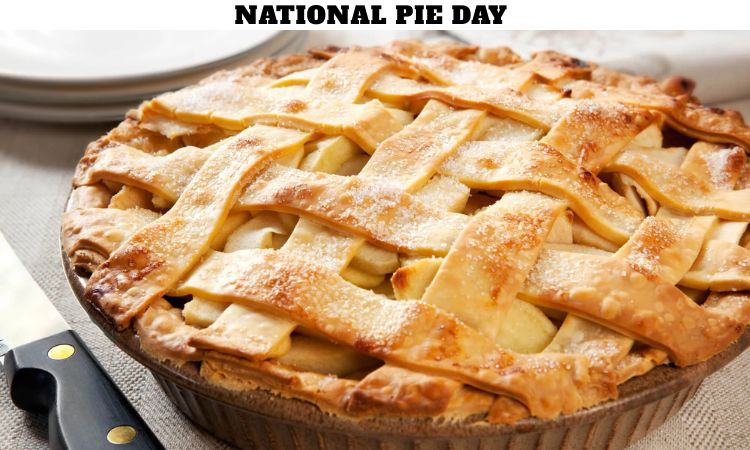
National Pie Day, celebrated every year on January 23, is a tribute to one of the most iconic and cherished foods in culinary history. Pies are more than desserts; they are symbols of tradition, comfort, creativity, and shared moments. On this special day, we honor the rich legacy, regional diversity, and timeless appeal of pies that have earned their place at the heart of kitchens and celebrations across the world.
The History and Origins of National Pie Day
National Pie Day was founded in 1986 by Charlie Papazian, an engineer and brewer who chose January 23 to coincide with his own birthday. What began as a personal celebration soon gained widespread recognition, as pie lovers everywhere embraced the opportunity to honor this classic dish. Over the years, National Pie Day has grown into a widely celebrated food holiday, observed by bakeries, restaurants, home cooks, and culinary enthusiasts alike.
Pies themselves have a far older history, dating back to ancient civilizations where early versions were made using simple crusts to encase meats and fruits. As baking techniques evolved, pies transformed into the refined sweet and savory creations we enjoy today.
Why January 23 Is Dedicated to Pie?
January 23 falls during the heart of winter, making it the perfect time to enjoy warm, comforting foods. Pies, with their flaky crusts and rich fillings, offer a sense of warmth and nostalgia during colder months. This timing has helped solidify National Pie Day as a celebration rooted in comfort, family gatherings, and homemade goodness.
The Cultural Importance of Pie in American Cuisine
Pie holds a special place in American culture. The phrase “as American as apple pie” reflects how deeply pies are woven into national identity. From Thanksgiving tables to summer picnics, pies are present at nearly every major celebration.
Each region of the United States has contributed its own signature pie styles:
Apple Pie from New England
Key Lime Pie from Florida
Pecan Pie from the South
Pumpkin Pie from the Midwest
Cherry Pie from Michigan
These regional variations highlight how pie adapts to local ingredients and traditions, making it a truly universal dish.
Popular Types of Pies Celebrated on National Pie Day
National Pie Day is not limited to one kind of pie. It celebrates the entire spectrum, including:
Classic Sweet Pies
Sweet pies remain the most popular choice. Favorites include apple pie, cherry pie, blueberry pie, pumpkin pie, and pecan pie. These pies are often enjoyed with whipped cream or vanilla ice cream, enhancing their rich flavors.
Savory Pies
Savory pies deserve equal recognition. Chicken pot pie, shepherd’s pie, meat pie, and vegetable pie showcase how pies can serve as hearty main courses, not just desserts.
Modern and Gourmet Pies
Contemporary bakers continue to innovate with flavors such as salted caramel pie, chocolate silk pie, lemon meringue pie, and vegan or gluten-free pies, ensuring that National Pie Day remains inclusive and forward-thinking.
How National Pie Day Is Celebrated?
Across the country, National Pie Day is marked by a wide range of activities:
Bakeries offer special discounts and limited-edition pies
Restaurants create pie-themed menus
Families bake pies together at home
Schools and offices host pie-sharing events
Social media fills with pie photos and recipes
Many people use the day to revisit family recipes passed down through generations, making the celebration both delicious and meaningful.
The Art of Making the Perfect Pie
A great pie balances texture, flavor, and presentation. While recipes vary, the fundamentals remain the same:
The Crust
The crust is the foundation of any pie. A well-made crust is flaky, buttery, and strong enough to hold the filling without becoming soggy. Techniques such as chilling the dough and using high-quality butter are essential.
The Filling
The filling defines the pie. Fresh fruits, natural sweeteners, aromatic spices, and careful cooking methods ensure a rich and balanced taste. For savory pies, slow-cooked meats and seasoned vegetables create depth and satisfaction.
Baking Techniques
Temperature control is crucial. Many pies require a high initial heat to set the crust, followed by a lower temperature to cook the filling evenly. Attention to detail separates an average pie from an exceptional one.
Health-Conscious and Alternative Pie Options
Modern dietary preferences have expanded the world of pies. On National Pie Day, many people explore:
Sugar-free pies
Vegan pies
Gluten-free crusts
Low-fat fillings
These alternatives allow everyone to enjoy the celebration without compromising their lifestyle or health goals.
Why National Pie Day Continues to Grow in Popularity?
The enduring appeal of National Pie Day lies in its simplicity and inclusivity. Pie is universally loved, endlessly customizable, and deeply tied to personal memories. Whether store-bought or homemade, sweet or savory, traditional or modern, pie brings people together.
In a fast-paced world, National Pie Day encourages us to slow down, bake, share, and savor something timeless.
The Economic Impact of Pie Celebrations
National Pie Day also benefits local businesses. Bakeries experience increased sales, grocery stores promote baking ingredients, and food brands launch seasonal campaigns. The day supports small businesses while celebrating craftsmanship and culinary skill.
Conclusion: Honoring Pie on January 23
National Pie Day on January 23 is more than a food holiday—it is a celebration of heritage, creativity, and comfort. By honoring pies in all their forms, we preserve a tradition that connects generations and cultures through a shared love of good food.