
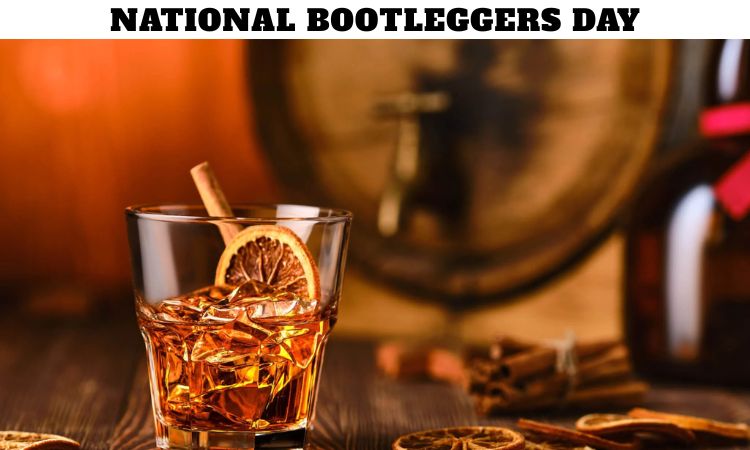
We recognize National Bootlegger’s Day, observed annually on January 17, as a day rooted deeply in American history, cultural evolution, and the enduring spirit of defiance against restrictive laws. This observance commemorates the era when bootleggers played a pivotal role in shaping underground economies, social behaviors, and even modern regulatory frameworks. Far from glorifying illegal activity, the day reflects on how historical circumstances influenced innovation, resilience, and societal change.
The Historical Origins of Bootlegging
Bootlegging gained prominence during the Prohibition era (1920–1933) in the United States, when the 18th Amendment and the Volstead Act banned the manufacture, sale, and transportation of alcoholic beverages. Demand for alcohol never waned, and a vast underground network emerged to supply it. Bootleggers became key operators, sourcing, transporting, and distributing liquor through secret routes, hidden compartments, and clandestine establishments known as speakeasies.
The term “bootlegging” is believed to originate from the practice of hiding flasks inside boots or under clothing. Over time, it came to represent a sophisticated black-market industry that involved logistics, bribery, coded communication, and advanced concealment techniques.
Why January 17 Holds Significance?
We observe January 17 because it marks the anniversary of the ratification of the 18th Amendment in 1919, which set Prohibition in motion. This date symbolizes the catalyst that inadvertently created bootlegging culture. National Bootlegger’s Day acknowledges the complex interplay between legislation and unintended consequences, offering insight into how societal demand can reshape legal and economic systems.
The Role of Bootleggers in Shaping American Culture
Bootleggers influenced far more than the availability of alcohol. We see their impact in jazz culture, nightlife, fashion, and entertainment. Speakeasies became cultural hubs where musicians, artists, and intellectuals gathered, accelerating the popularity of jazz and swing. These venues broke social barriers, allowing men and women, people of different backgrounds, to mingle freely.
Bootlegging also spurred advancements in transportation and communication. Smugglers optimized routes by land and sea, used early encryption methods, and developed networks that rivaled legitimate businesses in efficiency.
Economic Impact of Bootlegging
We cannot overlook the significant economic footprint of bootlegging during Prohibition. The illegal liquor trade generated billions of dollars, creating jobs and fueling ancillary industries such as glass manufacturing, vehicle modification, and nightlife entertainment. While profits were untaxed, the scale of the underground economy exposed flaws in enforcement strategies and contributed to the eventual repeal of Prohibition.
Notable Bootleggers and Their Legacy
Several figures became synonymous with the era. Al Capone, George Remus, and Lucky Luciano operated vast bootlegging empires that combined organization, branding, and distribution strategies still studied today. Their operations demonstrated early forms of supply-chain management, risk assessment, and market control—albeit outside the law.
Their legacy remains a subject of fascination in books, films, and documentaries, reinforcing National Bootlegger’s Day as a moment to examine how outlaw figures shaped public perception and policy reform.
Bootlegging Beyond Alcohol
While alcohol remains central to the narrative, bootlegging expanded into other goods over time. We see parallels in the illegal distribution of music, films, pharmaceuticals, and luxury items. The term bootlegging evolved to describe any unauthorized reproduction or distribution, highlighting its lasting relevance in discussions about intellectual property and regulation.
Legal Reforms and the End of Prohibition
The widespread failure of Prohibition enforcement led to the 21st Amendment in 1933, repealing the ban on alcohol. We recognize this moment as a turning point where lawmakers acknowledged the limitations of restrictive policies. National Bootlegger’s Day serves as a reminder that effective regulation must balance public welfare with realistic enforcement.
Modern-Day Reflections on Bootlegging
Today, we observe National Bootlegger’s Day as an educational and cultural reflection rather than a celebration of illegality. Museums, historians, and educators use the day to discuss policy-making, ethics, and economic behavior. Craft distilleries and themed events often reference the Prohibition aesthetic, paying homage to the era’s style and innovation without endorsing its unlawful practices.
Global Perspectives on Bootlegging
Bootlegging was not confined to the United States. We find similar phenomena worldwide where restrictive trade laws created black markets. From colonial salt taxes to modern digital piracy, the bootlegging narrative underscores a universal truth: unmet demand often finds alternative channels. National Bootlegger’s Day provides a lens to examine these patterns globally.
Cultural Representation in Media and Literature
Films, television series, and novels have immortalized bootleggers as complex characters—rebels, entrepreneurs, and anti-heroes. Works set in the Prohibition era continue to captivate audiences, reinforcing the cultural resonance of bootlegging. These portrayals contribute to ongoing discourse about morality, law, and social change.
Educational Value of National Bootlegger’s Day
We emphasize the importance of using this day as a learning opportunity. It encourages discussions about constitutional law, economics, sociology, and ethics. By examining bootlegging through an analytical lens, we gain deeper insight into how societies respond to regulation and scarcity.
Conclusion: The Enduring Significance of National Bootlegger’s Day
National Bootlegger’s Day on January 17 stands as a powerful historical marker. We recognize it as a day that encapsulates resistance, ingenuity, and the consequences of policy decisions. Its relevance endures because it reflects timeless dynamics between authority and individual choice, regulation and demand, legality and innovation.