

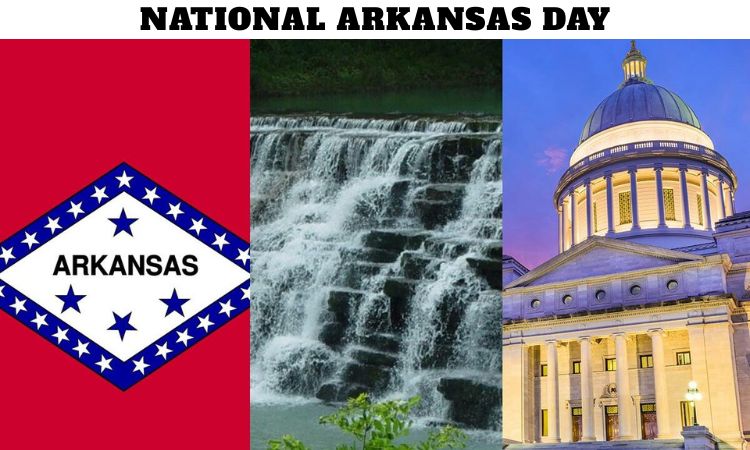
National Arkansas Day, celebrated every year on January 11, is a special occasion dedicated to honoring the history, culture, natural beauty, and unique identity of the state of Arkansas. Known as “The Natural State,” Arkansas is rich in scenic landscapes, deep-rooted traditions, and a fascinating past that has shaped its role in American history. This day offers an opportunity for residents, history enthusiasts, travelers, and culture lovers to learn more about Arkansas and celebrate everything that makes the state distinctive.
The Significance of National Arkansas Day
National Arkansas Day is part of a broader initiative that highlights one U.S. state each day of the year, encouraging people to explore and appreciate the diverse heritage of all 50 states. January 11 is dedicated to Arkansas, drawing attention to its contributions to American culture, economy, music, agriculture, and civil rights.
The day is not just about celebration but also about education—learning how Arkansas evolved from a sparsely populated frontier territory into a state with a strong cultural and economic identity.
A Brief History of Arkansas
Arkansas has a long and complex history that dates back thousands of years before European settlement. Indigenous tribes such as the Quapaw, Caddo, and Osage were the original inhabitants of the region. These communities thrived through farming, hunting, and trade long before Europeans arrived.
In the 16th century, Spanish and French explorers entered the area, leaving lasting cultural and linguistic influences. Arkansas became part of the United States in 1803, when the Country acquired vast territory from France through the Louisiana Purchase. It officially became the 25th state of the Union on June 15, 1836.
The state played a significant role during the American Civil War, siding with the Confederacy. Post-war reconstruction, economic changes, and the civil rights movement profoundly shaped Arkansas’s modern identity. One of the most notable events in U.S. civil rights history occurred in 1957, when the Little Rock Nine integrated Central High School, marking a major milestone in the fight against racial segregation.
Why Arkansas Is Called “The Natural State”?
Arkansas earned its nickname, “The Natural State,” because of its remarkable and diverse natural landscapes. From mountains and forests to rivers and hot springs, the state is a haven for outdoor enthusiasts.
Natural Highlights of Arkansas
Ozark Mountains – Known for scenic beauty, hiking trails, and clear rivers
Ouachita Mountains – One of the few east-west mountain ranges in the U.S.
Hot Springs National Park – Famous for its thermal waters
Buffalo National River – America’s first national river
Crater of Diamonds State Park – The only public diamond mine in the world
Nature plays a central role in Arkansas’s identity, and National Arkansas Day is the perfect time to appreciate its environmental treasures.
Cultural Heritage and Traditions
Arkansas culture is a blend of Southern, Midwestern, and Appalachian influences. Music, storytelling, food, and community gatherings are integral to daily life.
Music and Arts
Arkansas has made notable contributions to American music. It has strong roots in folk, blues, country, and rockabilly traditions. Legendary musicians like Johnny Cash, who was born in Kingsland, Arkansas, brought the state international recognition.
The state also supports a vibrant arts scene with festivals, local crafts, and museums that celebrate traditional and contemporary creativity.
Arkansas Cuisine: A Taste of Tradition
Food is a central part of Arkansas’s cultural identity. Traditional dishes reflect Southern comfort food and locally sourced ingredients.
Popular Arkansas foods include:
Fried catfish
Biscuits and gravy
Barbecue ribs and pulled pork
Cheese dip (often credited to Arkansas as its birthplace)
Pecan pie and other Southern desserts
On National Arkansas Day, many people celebrate by preparing or enjoying classic Arkansas-inspired meals.
Famous Landmarks and Attractions
Arkansas is home to several iconic landmarks that attract visitors year-round.
Notable Places in Arkansas
Little Rock Central High School National Historic Site – A symbol of civil rights progress
Mount Magazine – The highest point in Arkansas
Thorncrown Chapel – A stunning architectural landmark in Eureka Springs
Crystal Bridges Museum of American Art – Located in Bentonville, founded by Alice Walton
Hot Springs Bathhouse Row – Historic spa buildings with unique architecture
These landmarks reflect Arkansas’s historical significance, artistic spirit, and natural beauty.
Economy and Industry in Arkansas
Arkansas has a diverse economy supported by agriculture, manufacturing, retail, and transportation. The state is a leading producer of rice, poultry, and soybeans, making agriculture a cornerstone of its economy.
Arkansas is also known as the birthplace or headquarters of major companies, including:
Walmart (Bentonville)
Tyson Foods
J.B. Hunt Transport Services
These companies have had a global impact, reinforcing Arkansas’s role in modern commerce.
Arkansas and American History
Beyond the civil rights movement, Arkansas has influenced American history in multiple ways. Former President Bill Clinton, the 42nd President of the United States, is from Arkansas and served as the state’s governor before his presidency.
The state’s political, social, and cultural contributions continue to shape national conversations, making National Arkansas Day a meaningful occasion for reflection.
How to Celebrate National Arkansas Day?
There are many ways to observe National Arkansas Day, whether you live in the state or elsewhere.
Ideas to Celebrate
Learn about Arkansas history through books or documentaries
Visit a local museum or state park
Cook traditional Arkansas dishes at home
Share Arkansas facts and photos on social media
Support Arkansas-based businesses or artisans
Plan a future trip to explore the state
Educators often use the day to teach students about state history and geography, making it both fun and informative.
Fun Facts About Arkansas
Arkansas is the only state with naturally occurring diamonds
The state has over 600,000 acres of lakes and rivers
It is known as the “Duck Hunting Capital of the World.”
Arkansas produces more rice than any other U.S. state
The pronunciation of “Arkansas” is legally defined to avoid confusion
These interesting facts make National Arkansas Day even more engaging.
Arkansas in Modern Times
Today, Arkansas balances tradition with progress. While it honors its rural roots and historical legacy, it continues to grow in areas such as technology, education, and tourism. Cities like Little Rock, Fayetteville, and Bentonville are emerging as hubs for culture, innovation, and entrepreneurship.
Tourism has become increasingly important, with visitors drawn to outdoor recreation, cultural festivals, and historic sites.
Educational Importance of National Arkansas Day
National Arkansas Day is especially valuable for educational purposes. It encourages students and learners of all ages to explore geography, history, and civic identity. By focusing on one state at a time, people gain a deeper understanding of how individual states contribute to the nation as a whole.
Conclusion
National Arkansas Day on January 11 is a celebration of a state that embodies natural beauty, cultural richness, and historical significance. From its scenic landscapes and musical heritage to its role in civil rights and modern commerce, Arkansas has made lasting contributions to the United States.